
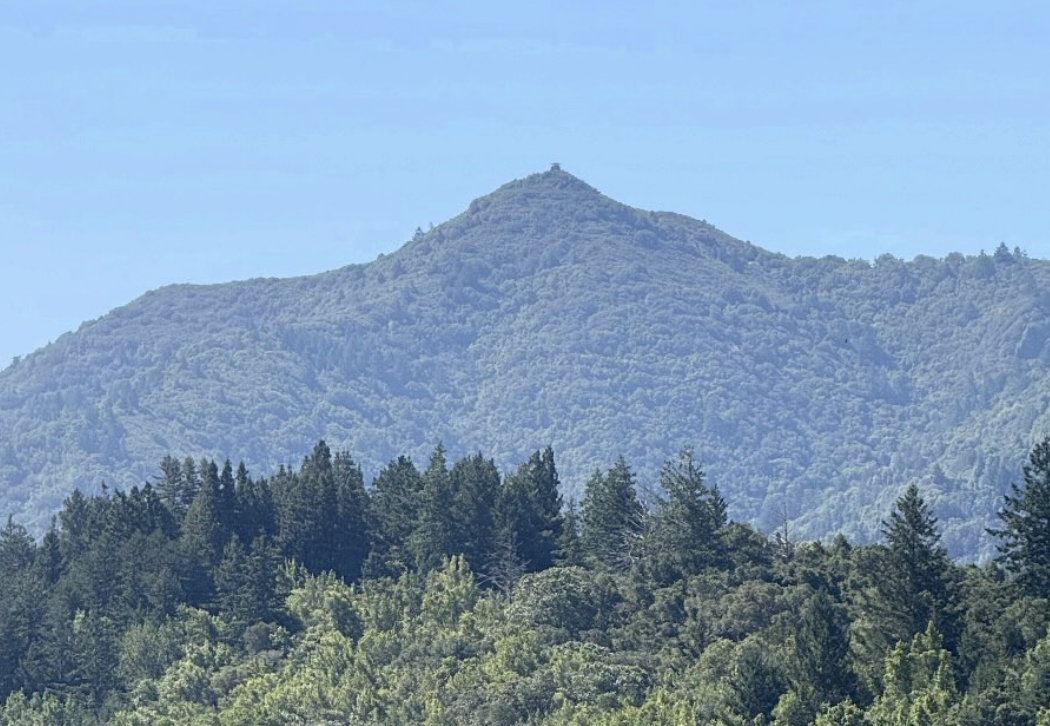
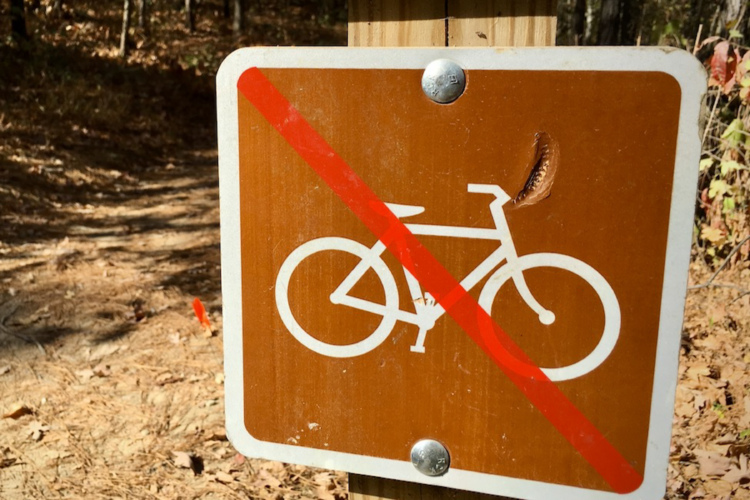
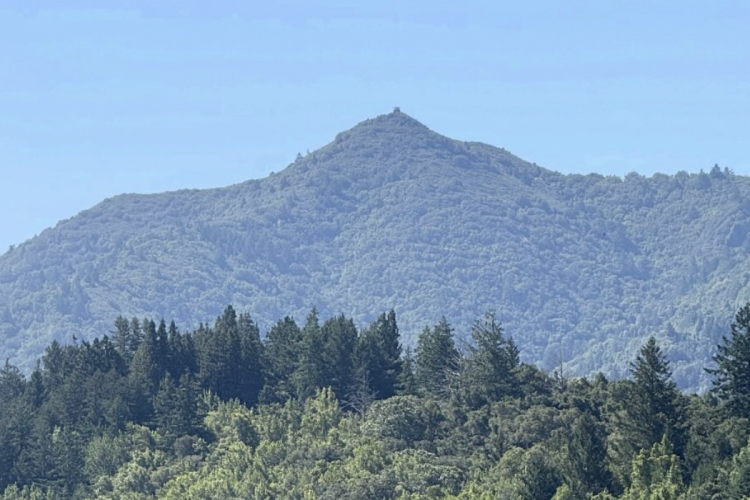
Mountain biking was born in the hills and mountains of Marin County, California, decades ago. Ironically, the same area is now one of the unfriendliest places for mountain bikers. Despite it being the homeland, mountain biking at Mount Tamalpais (Mt. Tam) and the Marin Watershed simply isn’t allowed — on singletrack, that is.
But groups like Marin Trail Stewards (MTS), formerly Access4Bikes, have been fighting to change that. And after encountering roadblock after roadblock, they’ve deemed redoing an entire roads and trails plan as the best way to finally open singletrack to mountain biking at Mt. Tam.

Singletrack opportunities in Mt. Tam Watershed (or lack thereof)
The potential for Mt. Tam to open 27 miles of singletrack to mountain bikes is a tremendous step forward for the mountain bike community in the area. While we often cover stories of trail systems boasting 50-, 70-, and even 100-mile proposals, they are undoubtedly in less restrictive areas.
“So biking is currently allowed on the entire fire road system — basically 60 miles,” Vernon Huffman, Executive Director of MTS, told Singletracks. “But bikes have never been allowed on singletrack at all.”
Huffman also mentioned that even getting bikes allowed on those 60 miles of roads was a hard-fought battle.
The initial restriction on bikes in the watershed, according to Huffman, was because it wasn’t just a new user group, but a completely new use. In the 70s and 80s, when bikes were first taking to the hills and mountains of the Bay Area, there simply wasn’t enough information about bikes’ impact on trails.
That said, many have a critical perspective of the organizations and governing bodies making decisions for the watershed. While information wasn’t yet available, no one sought more information or figured out if bikes are indeed compatible on the area’s singletrack. Rather, the district “clamped down and shut it all down” regarding two wheels.

Getting more open-minded people in positions of power
Huffman isn’t afraid to speak his mind — he’s been fighting for mountain bike access for a long time. Without mincing words, he plainly said that the Marin Water Board of Directors had seen “old guard” and “good old boys” style of leadership for far too long. One particular board member held their position for nearly three decades and, as Huffman put it, was “holding board.”
“When these subjects came up to have increased bike access, it was just a hard ‘no,’” he said. Huffman also mentioned that the board even discussed fencing the entire watershed to keep people “coming from out of town” from accessing the trails during the pandemic.
Huffman feels like a major victory in bike access was finally not having this person reelected to the board of directors. He said two of the newly elected board members for the water district are mountain bikers themselves and “understand the mountain bike community’s need for trails to ride.”
“This changing of the directors changed everything.”

The trial period that wasn’t really a trial period
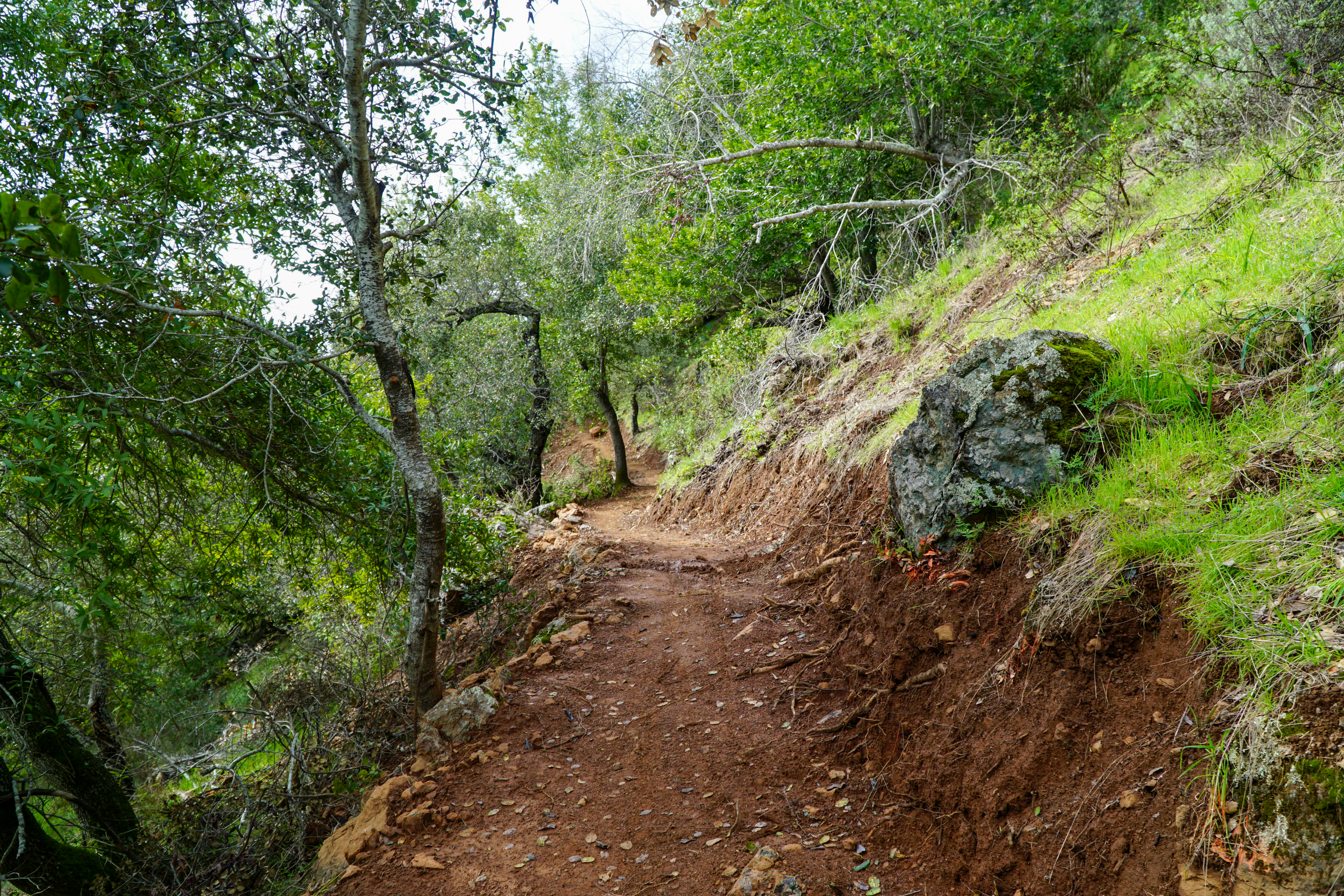
One of the first victories was getting a trail called Liberty Gulch open to bikes. This is actual singletrack and a significant win for the bike community in the Mt. Tam Watershed.
With a foot in the door, and the water district seemingly on board, the next logical step was to find more ways to expand mountain bike access. Since no impact study had really been done, the district decided to open roughly six miles of trails for a trial study.
“Well, one day before [the trial] was to be enacted, some user groups sued to stop it,” Huffman explained. The California Native Plant Society, Marin Audubon Society, and Marin Conservation League filed a lawsuit against the water district, alleging that they didn’t comply with the California Environmental Quality Act before moving forward with the study.
Huffman said the groups decided to settle, though he believed they should have gone to court because MTS thought they “would have gotten a favorable decision.” The six-mile trial period was thrown out the window, and the mountain bike group was sent back to the drawing board.
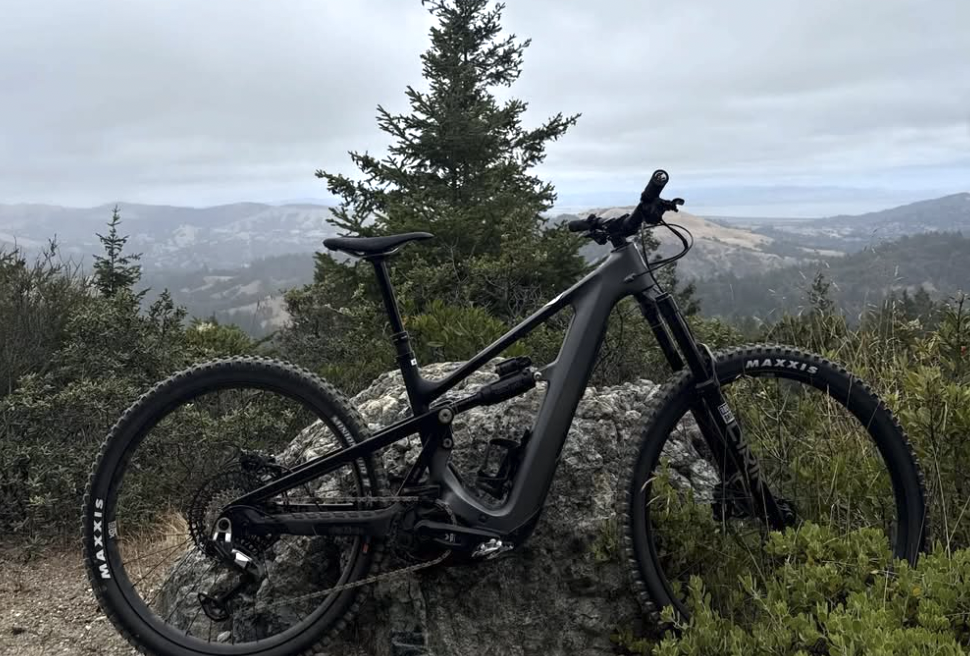
So, they decided to rewrite the Road and Trail Management Plan (RTMP).
Out with the old and in with the new
“The RTMP was now 22 years old,” Huffman said. “This plan doesn’t have a category for bikes on trails. It’s time we just say: ‘Okay, no trial period, fine. We’re just gonna go and tackle RTMP.”
Huffman said that MTS has been working on the new RTMP for roughly two years, lining up environmental assessments, checking compliance boxes, attending (all) public meetings, and engaging the community. A new RTMP has been drafted and is open for public comment until September 28.
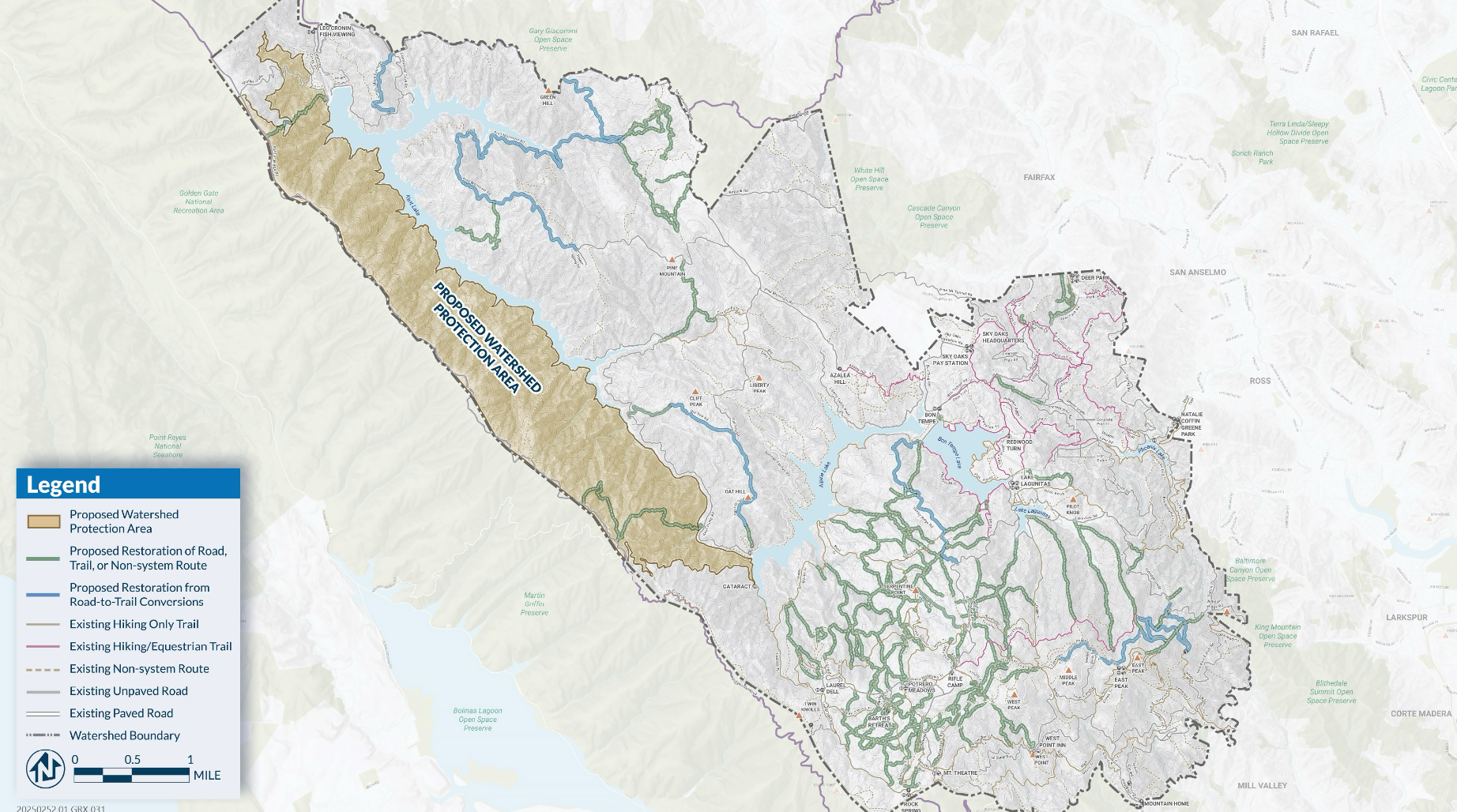
The proposal suggests opening 27 miles of singletrack in the Mt. Tam Watershed to mountain bikes. The proposal does this in various ways, including some new trail construction, but mostly by adopting social trails, converting roads to trails, and opening some “multi-use” trails to bikes.
The proposal includes adopting popular trails like Northside Trail and Paradigm.

“[Paradigm] was built by bikers, and they put up a sign claiming it to be a ‘new paradigm,’ claiming it was going to show the compatibility of bikes on trails,” he explained. That was in 1992, so it only took more than three decades.
27 miles is a lot, but you can’t please everyone
Despite the possibility of mountain biking where there was once no opportunity, some in the mountain bike community aren’t happy with the new RTMP. Perhaps a better way to put it is that mountain biking has a long history at Mt. Tam, just not a legal one.
Huffman said the plan would decommission roughly 60 miles of social trails. For some, this is a trade they aren’t willing to make, as they don’t want to see beloved trails go away. While MTS sympathizes with those individuals, it must make decisions for the entire community, not a handful of social trail builders and riders.
He also said that MTS has received comments from people asking for more mountain bike-only trails. The current proposal lists all 27 miles of potential mountain biking trails as “multi-use,” with some shared with hikers and others shared with hikers and equestrians.
That said, some trails will be directional for bikes, and MTS hopes to reach a point where bike-only trails exist at Mt. Tam. But for now, one thing at a time. And right now, even the potential of 27 miles is a big win for bikes.
Keep up with the latest mountain bike news by adding Singletracks as a preferred source on Google.



0 Comments