

Any opinions expressed in this article belong to the author alone and do not necessarily represent the opinions of Singletracks.com.
Like most elder millennials, I grew up riding bicycles from an early age, but I still distinctly remember my first true singletrack mountain bike ride. I was 16 years old and already addicted to adventure sports. I started downhill skiing at the age of nine, and in my teen years, I picked up mountain boarding (think: a snowboard with wheels) as something to do in the summer season.
I had spent a couple of years riding my mountain board on nearby mountain bike trails, and after seeing how much faster bikers could cover ground, I thought, “Hmm, maybe there’s something to this mountain biking thing.”
At the same time, my long-time mentor, Dean Glaze, had been pestering me to try mountain biking. Dean wasn’t just any advocate for the sport — he and one of his best friends, Steve Meurett, had built our local trail system from scratch beginning in the early 80s. In fact, that trail system known as “Levis Mounds” might be one of the oldest purpose-built singletrack trail systems in the nation.
I finally relented and went for a ride with Dean on the mountain bike that I had been using as a townie. I rattled down rocky, rooty singletrack on a clapped-out, fully rigid, steel Giant Iguana that was at least 10 years old as I futilely chased Dean’s rear wheel through the woods.
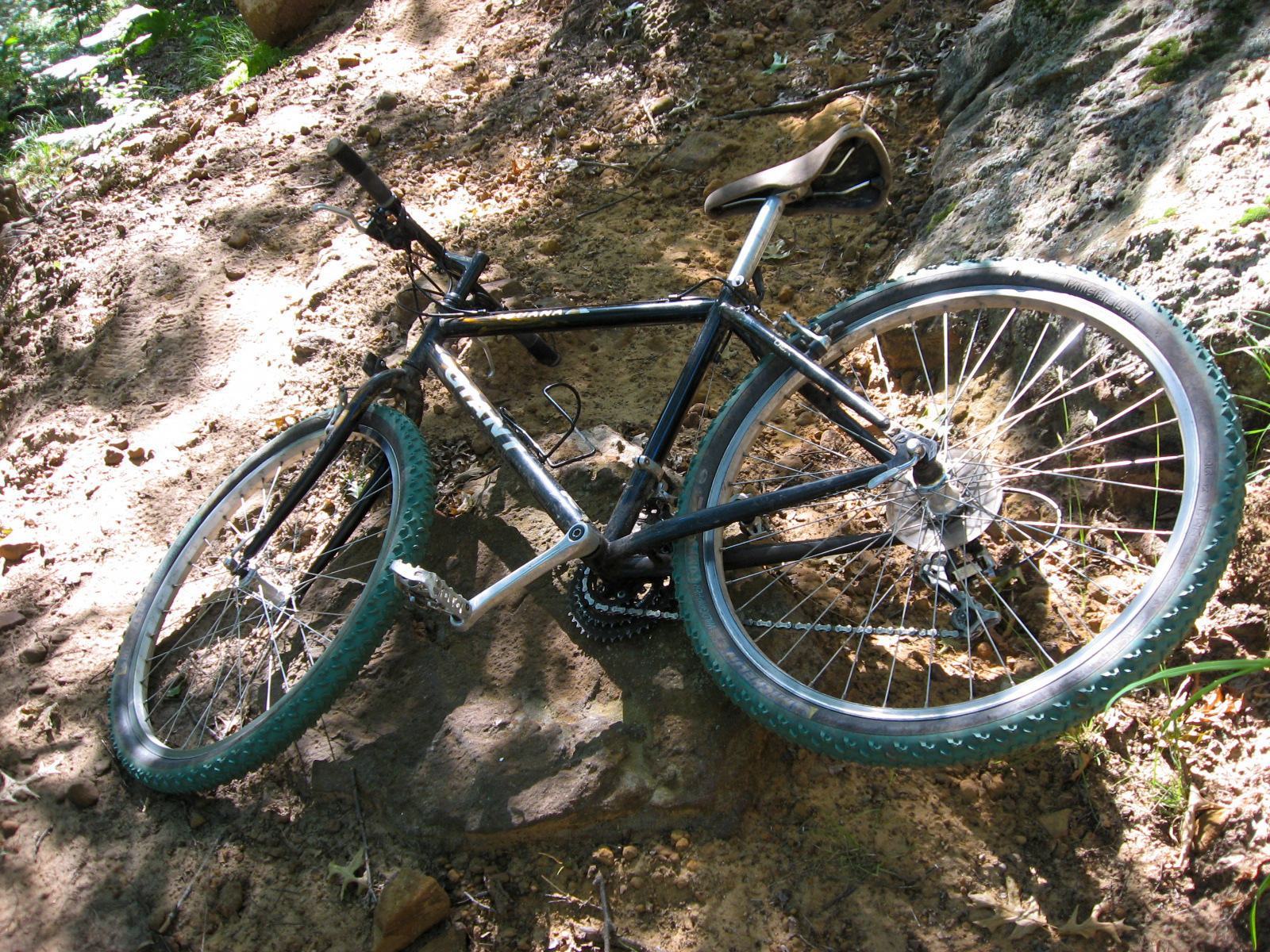
Despite riding an objectively terrible POS bike, I was instantly hooked. The technical challenge and downhill speed sold me, and while it took me a couple of years to leave mountain boarding entirely, by the time I graduated high school and moved to Montana, I was hooked on mountain biking.
That first ride was in fall 2005, and over the past 20 years, I’ve pedaled thousands of miles of singletrack all around the world. One thing led to another, and a sport I originally started to pass the time during the skiing off-season became my entire life. Mountain biking isn’t just my career; it’s what I do for fun and my primary means of challenging myself.
Through countless epic adventures and boring training rides, mountain top highs and injury-filled lows, and enough post-ride drinks to fill a lake, mountain biking has taught me immeasurable lessons about athleticism, adventure, and life. Here are six of the most important things I’ve learned from mountain biking over the past 20 years.
1. The gear isn’t important — it’s the adventure the gear enables
I read a “look back” article in a magazine recently that was focused on how dramatically mountain bike technology has changed over the last 20 years. Yes, bike tech is night-and-day better than it was when I started riding — especially since I was riding a bike that was already over 10 years out of date!
Better gear and more reliable bikes undoubtedly make the mountain biking experience better, but for me, the point of riding trails has never been an excuse to buy fancy gear. The sport of mountain biking has always been about the experience that the gear enables.
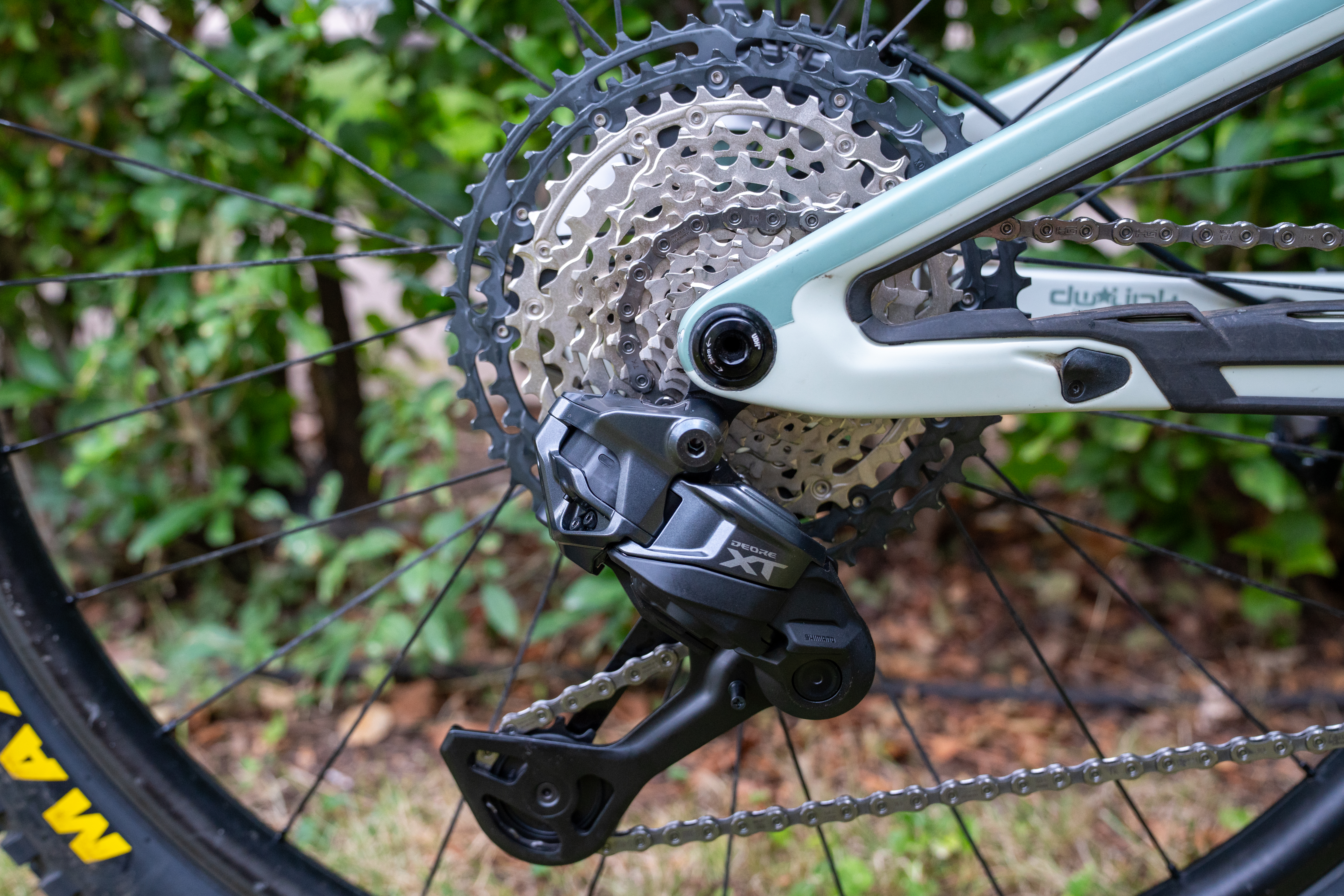
Unfortunately, I think too many mountain bikers lose sight of this basic truth and get caught up in commercial fads peddled by persuasive marketing departments and complicit media outlets. Too many riders are obsessed with the latest and greatest bikes, upgrading their mechanical drivetrains to wireless, or claiming that they now need an electric motor attached to their bike in order to get out for a ride.
A fixation on the latest and greatest technology, and blowing thousands of dollars per year keeping up with the MTB Joneses, totally misses the point of this great sport. Riding through the mountains and connecting with nature has always been the point — and that will never change.
2. Exploring landscapes is more important than getting sendy
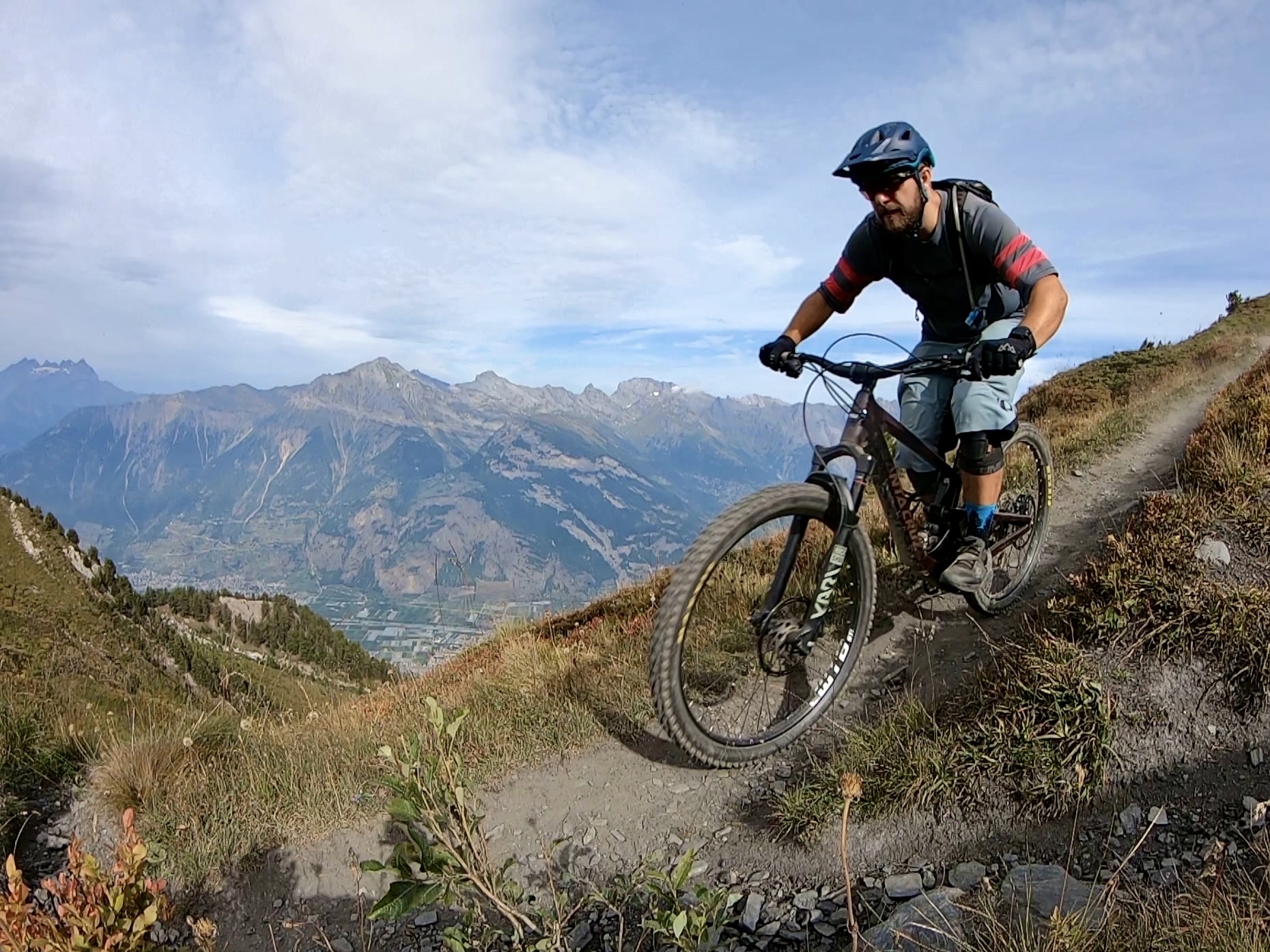
I originally took to mountain biking as an outlet for my energy when I couldn’t downhill ski. But over the years, I’ve realized that covering long distances and exploring landscapes is much more important to me than getting sendy.
Both resort-based downhill skiing and downhill mountain biking force riders to focus on skill progression by going faster and sending bigger. But as I began pedaling my mountain bike across mountain ranges and through the epic landscapes of both the Rockies and the Appalachians, I realized that I much prefer covering long distances and exploring big landscapes rather than being confined to a small space within a resort’s boundaries.
Even the modern lap-based trail systems being built across the nation, with one or two climb trails and multiple descents in a confined area, don’t deliver the same exploratory thrill of a big mountain ride. While I still love testing my skills in the bike park or ripping manicured trails in dense trail networks, the ultimate MTB experience is taking those skills deep into the backcountry, where the stakes are higher, and the landscapes are truly epic.
Only there do I feel truly alive.
3. I’m capable of far more than I ever imagined
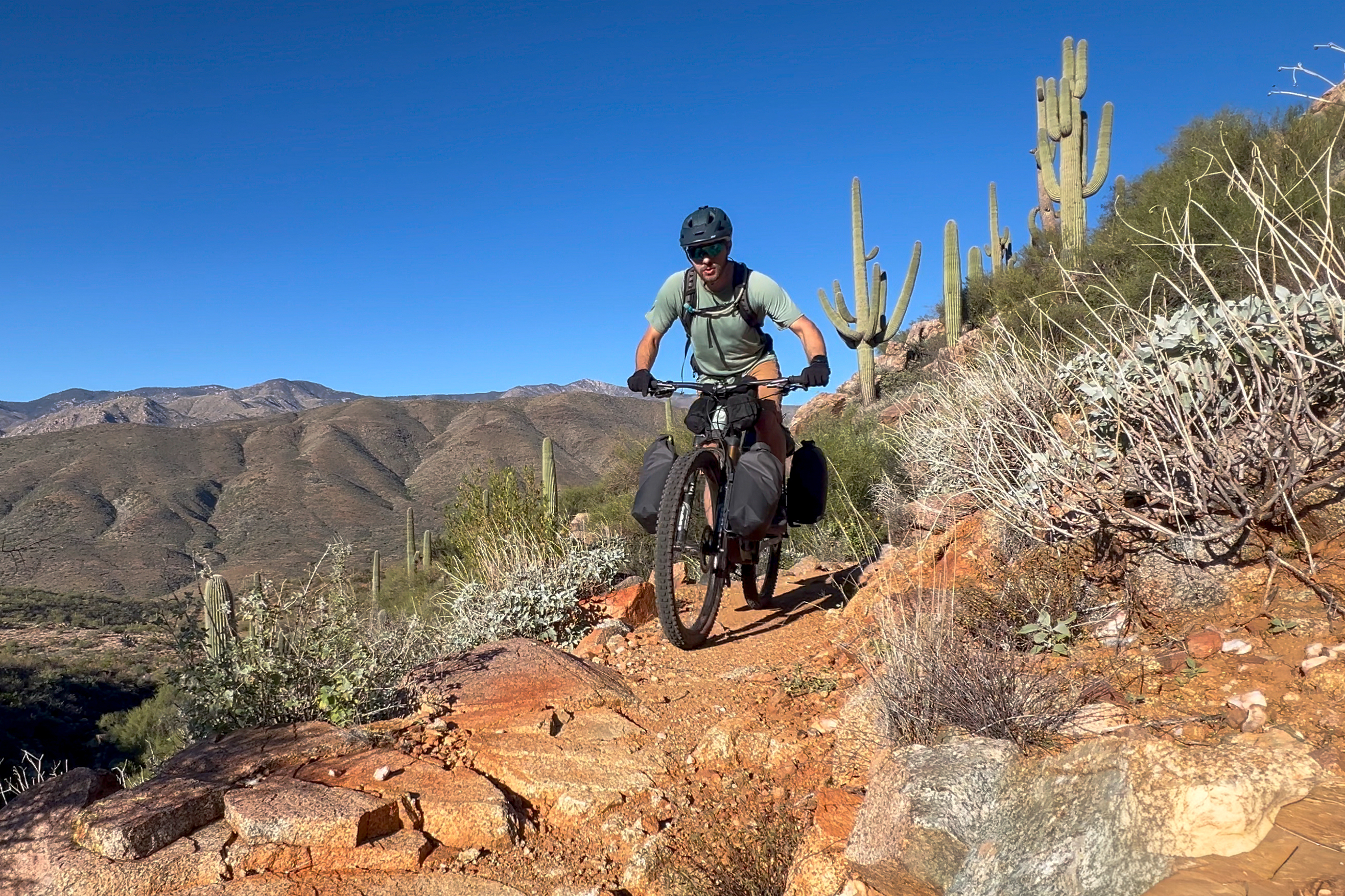
Mountain biking has been the primary way that I’ve challenged myself over the past 20 years, and time and time again, I’ve surprised even myself with what I’m capable of. Whether it was pedaling a dirty century, nailing a tricky rock garden, coming back from serious injuries to ride again, traveling the world with my bike, or building new reservoirs of endurance even as I age, mountain biking has been a teacher that has taught me that when I think I’ve hit my limit, I generally haven’t even scratched the surface.
Mountain biking has shown me that I have the ability to learn, change, and grow in every area of my life. I’ve taken that growth mindset and self-confidence and used it to tackle the biggest challenges and darkest moments in my personal life, such as debilitating injuries, divorce, and being laid off from a job.
4. If there’s an easy way out, plenty of people will take it
I was originally attracted to mountain biking because it was tough. After that first ride in 2005, I realized that mountain biking was one of the hardest things I’d ever done, and that sparked a desire to push myself and master this tricky sport. In the early years, I spent hours drilling and practicing on technical rock gardens until I could finally clean them. As my technical skills progressed, I then focused on building my fitness by pedaling farther, climbing higher, and going faster. This difficulty, this inherent challenge found in mountain biking, is precisely what enabled me to gain the self-confidence to handle hard things in other areas of my life.
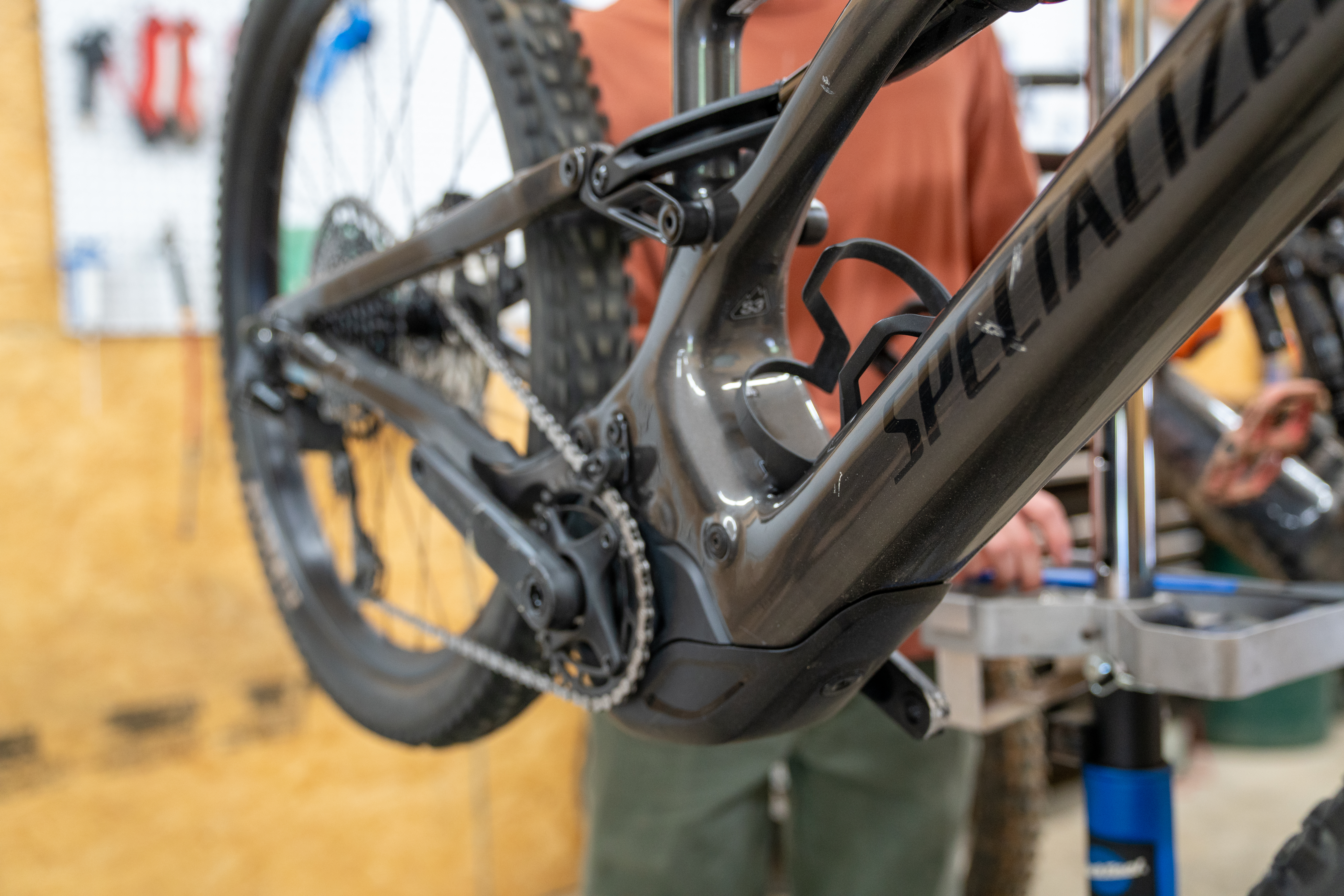
Unfortunately, over the last 20 years, I’ve learned that if there’s an easy way out, plenty of people are going to take it. Mountain biking today is almost unrecognizable from the sport I picked up 20 years ago, thanks to the invention and explosive adoption of the e-bike.
Today, over 25% of mountain bikes sold in the USA are e-bikes, with that share expected to grow by 15.6% per year. In other countries like Germany, the percentage of eMTBs sold has surpassed 90%.
With the addition of a motor, gone is the physical challenge of grinding up a steep mountainside. Instead, riders can now flip the switch to Turbo and whizz to the top without breaking a sweat. It’s easy, it’s convenient, and it’s comfortable. In his 2021 book, Michael Easter discussed the “comfort crisis” that we’re currently facing in the modern world, and all of the myriad ways that our comfortable, over-engineered lives are harming us. E-bikes are proof positive for his thesis.
While e-bikes are great for the elderly and the infirm, the millions of able-bodied riders buying e-bikes are missing out. They won’t have the same access to the confidence-building experiences I had because they no longer face the same difficult obstacles. The motor does all the work for them.
If you own an e-bike, that’s fine. I don’t particularly care, because it doesn’t affect me at all. The only person you’re cheating is yourself.
5. Traveling to ride is my favorite thing ever, but I never would have known that if I hadn’t started mountain biking
Before I started mountain biking, I’d had very few travel experiences. As my independence and love of mountain biking grew in tandem, traveling to ride new trails was a natural collab between the two.
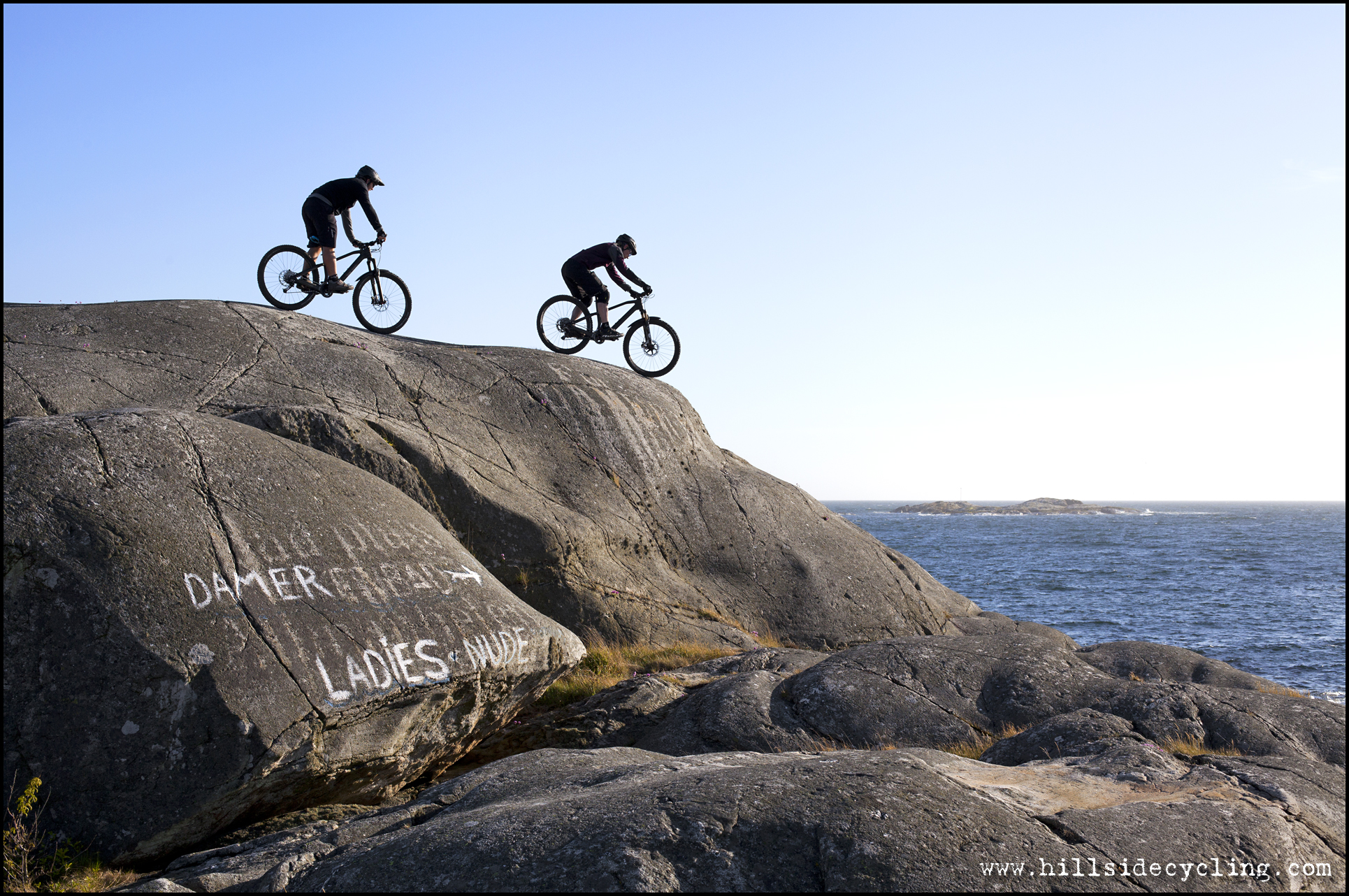
Then, in 2015, this job afforded me the opportunity to travel overseas for the first time, visiting Gothenburg, Sweden. That trip would change the course of my life: I was hooked on international travel.
Since then, I’ve travelled without my bike several times, and I’ve learned the hard way that traveling simply to tourist and sightsee isn’t nearly as fulfilling as exploring a foreign landscape and culture under my own power, on a bicycle.
This newfound love of travel prompted me to travel full-time for four years. Over the course of my lifetime, I’ve now visited 22 countries, 41 US states, five Canadian provinces, and ridden almost 10,000 distinct trails.
6. The world would be a better place if everyone spent time in nature
Depression, anxiety, obesity, heart disease, and so many more modern ailments are exploding across the USA and around the world. However, there’s a simple solution to all of these: moving your body outside in nature.
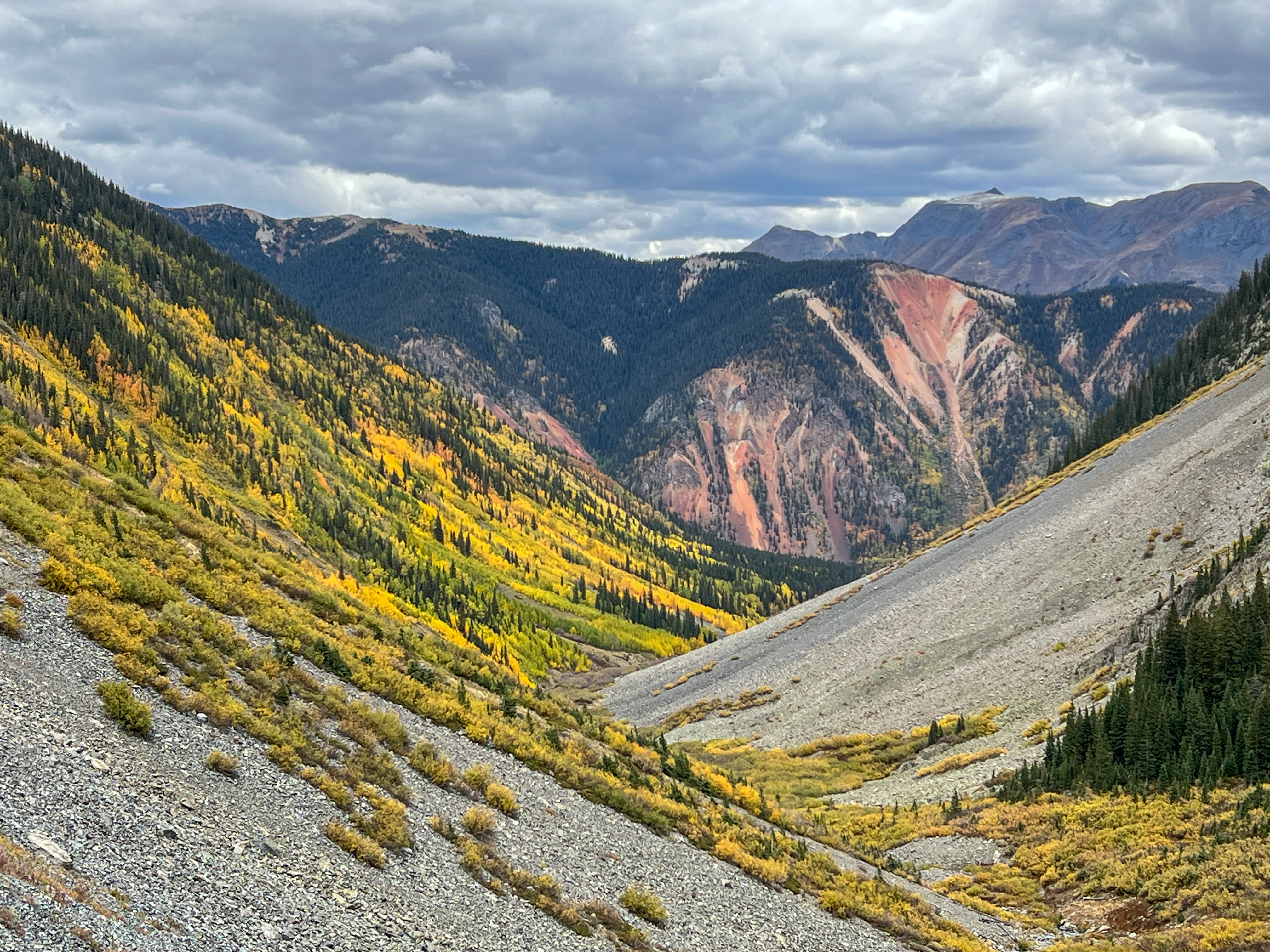
While the exercise part is important, the exposure to nature is doubly so, and even harder for billions of people to access due to the increasing urbanization of the planet. Even small amounts of time in nature have been shown to reduce depression and anxiety, increase happiness and well-being, and have numerous other knock-on effects, like increased creativity.
I’m convinced that without my daily dose of nature immersion, I would be a dramatically more depressed, stressed-out, socially anxious individual. I fight against all of these challenges and more on a daily basis, and even though I get outside every single day, I can feel the difference between a 20-minute walk in a cityscape and an entire day spent riding through the wilderness.
Time in nature has also been shown to increase empathy, meaning that if more people spent more time in nature, much of the hate and divisiveness that are plaguing our political and social landscape would dissolve. I’d go so far as to say that a lack of connection to the natural world, and replacing nature with too much time spent staring at screens and sitting by ourselves in our own tiny boxes, is largely responsible for the social challenges we face today.
This truth is driven home by the fact that, by and large, mountain bikers are some of the friendliest, most caring, and interesting people I’ve ever met. When I’m surrounded by a group of mountain bikers, I feel like I’m at home.
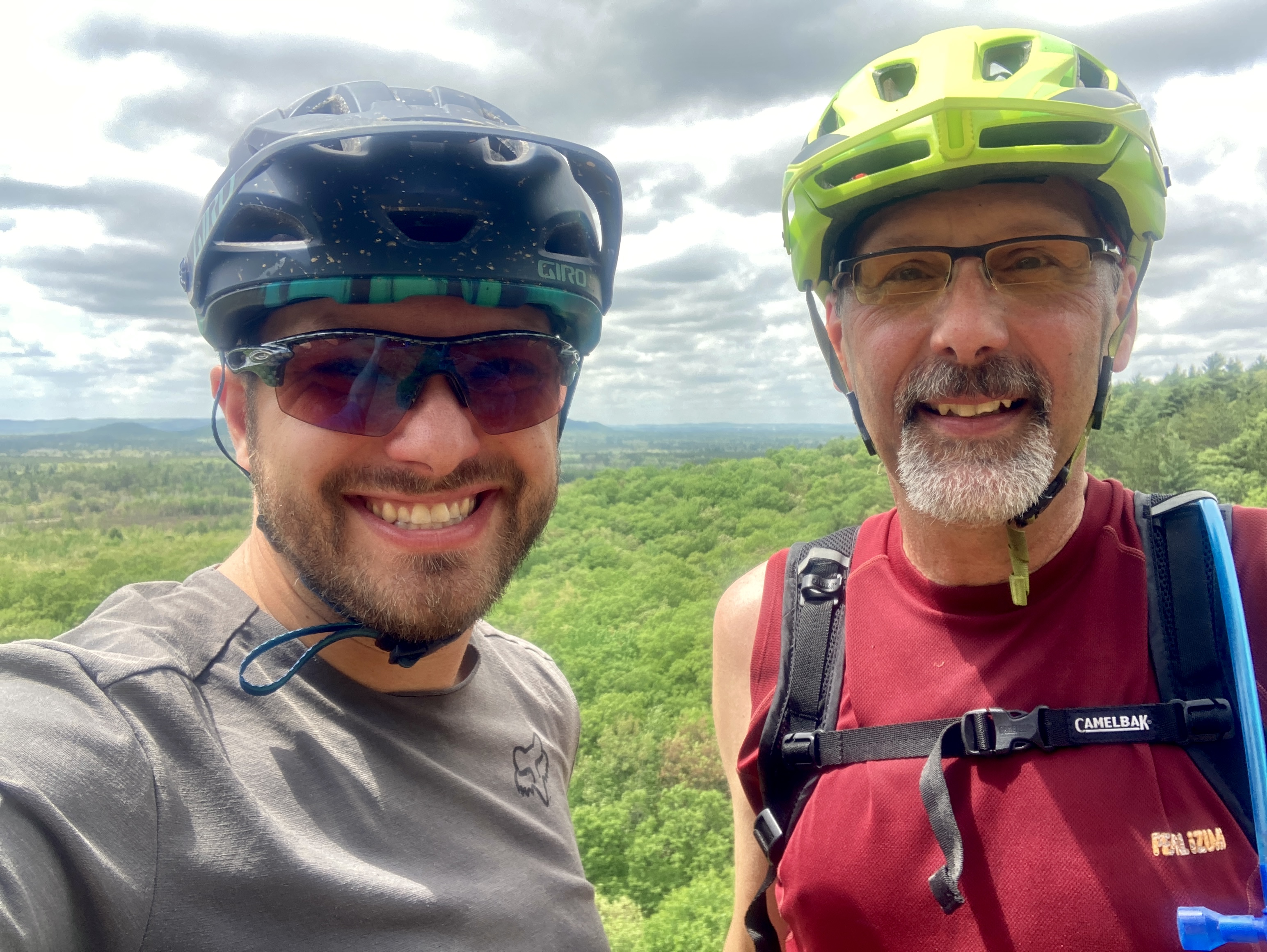
As I’ve learned over the past 20 years, going for a bike ride in the woods might seem like a simple action, but its ripple effects are tremendous. From increased confidence, happiness, physical health, life enjoyment, and an inspiration for lifelong pursuits and goals, going on a mountain bike ride might be one of the most profound things you can possibly do with your one wild and precious life.



39 Comments
Dec 10, 2025
Dec 14, 2025
Dec 14, 2025
Dec 15, 2025
Dec 10, 2025
Dec 10, 2025
Dec 11, 2025
Dec 14, 2025
Dec 11, 2025
As for 6, I'm greedy. Everything's so crowded around here now, you have to go so far to actually find any peaceful, natural surroundings, it's become all but out of my reach. Call me cranky but if I can hear someone's bluetooth speaker blasting I am NOT relaxing, so I'm personally done encouraging people to get outside more. If everybody spent more time in nature there wouldn't be any nature left.
Dec 14, 2025
Dec 12, 2025
Dec 12, 2025
Dec 12, 2025
Dec 10, 2025
Dec 14, 2025
Dec 11, 2025
Dec 15, 2025
Dec 14, 2025
Dec 13, 2025
Dec 14, 2025
Dec 10, 2025
To quote Kenny Powers, "I play real sports, not trying to be the best at exercising."
Dec 11, 2025
Dec 14, 2025
Dec 10, 2025
Dec 12, 2025
Dec 12, 2025
Dec 12, 2025
Dec 14, 2025
Dec 12, 2025
Dec 10, 2025
Dec 11, 2025
Greg and I entered into MT bikes differently. I was 38 had beed racing Motorcycles in MX, Road Racing and Hare Scramble/ Enduros.
The part about being good for so many afflictions is spot on. I suffered a work accident at 39 lower back injury. 1 1/2 years down and out. Physically and mentally. They had the whole you’ve got to have surgery blah blah blah. I found the right PT specialist and she had me going in a month. From crawling to upright and getting back on the bike. The depression disappeared and the back healed as a result. I ended up working in the industry until 4 years ago. Only because I needed more money.
Like Dave I decided to travel and using the industry as a tool. To get me into many different outrageously cool jobs. Mountain Bike Specialists in Durango was home for five seasons. Chili Pepper 🌶️ in Moab. Coyote Shuttles in Moab and my dream job Rim Tours guiding.
Thanks Dave for putting into words what I couldn’t. Inspiring me to share this small tidbit of my experience.
Dec 11, 2025
I really got into MTB in my early 50s and Covid was rocket fuel - working from home non stop meant it was my only out ! To think back from where I came from ... 45 minutes round a local park to multi day trips across the mountainous Welsh countryside. I didn't know what MTB could mean but thanks to friends, random riders and really good writing / You Tube, I've kept developing and I always try.
Dec 14, 2025
Greg, thanks so much for the article. It echoes my thoughts and feelings about nature and "growth mindset", which are both like oxygen for me.
3 weeks ago
Point 5 really peaked my interest. I have a few instances to travel in the US with my bike and it does connect to the area I am traveling to in a unique way. I get to experience the community almost as one that lives there. Discovering where the trails, being around locals and even discovering the local bike shops or places to eat or fuel up because I rode.
As reflect on the traveling I have got to do with or without a bike, it is always special to do something not exactly as all the tourist or visitors do. Renting a car and finding my own way or walking or asking a local for recommendations have led to some really cool and unique discoveries.
We really should look to connect more wherever we are. On that same note, listen and respect another's opinion and be comfortable with who we are not threatened. I don't agree with every point but it was interesting and got me thinking. Isn't that the point of reading these articles. A different perstpective and not an echo of what is in my head. Helps me grow and strengthens my character to be exposed to new ideas and challneged about how or what I think.
Thanks
Dec 10, 2025
Dec 16, 2025
So I decided not to care what youngsters under the age of 75 thought of me and I bought a Specialized turbo levo comp full power E-Bike. It brought the fun back into mountain biking! With my smartphone I keep the assist in eco at a level that makes me work a bit but doesn't reduce the fun factor. May all of you young whippersnappers with the pejorative comments about the elderly and infirm remember them when you hit your mid to late seventies. That is if you can lift yourself out of your easy chair watching TV.😁
Dec 16, 2025
Dec 12, 2025
Plus, geeking out on gear is fun. To claim gear is not important is BS
Dec 14, 2025