

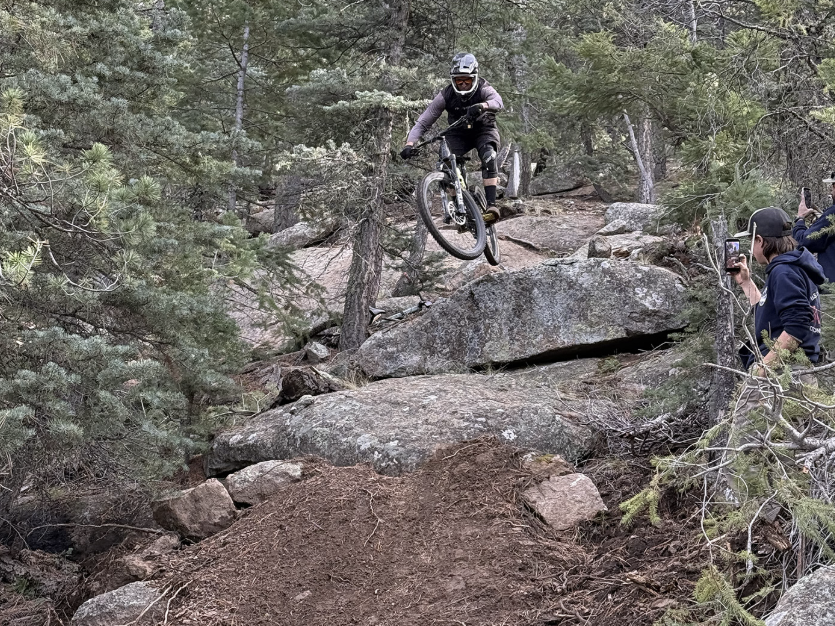
Over two years ago, we covered the addition of two new downhill-only mountain bike trails at Mt. Elden and Dry Lakes outside Flagstaff, Arizona. These would be the first DH-specific trails at Mt. Elden, and represented nearly 20 years of advocacy for this type of trail by the Flagstaff Biking Organization (FBO).
FBO is adding two more DH-only trails at Mt. Elden, one of which was completed this year. Both trails will be advanced, black and double-black offerings, promising rowdy, high-elevation descents.
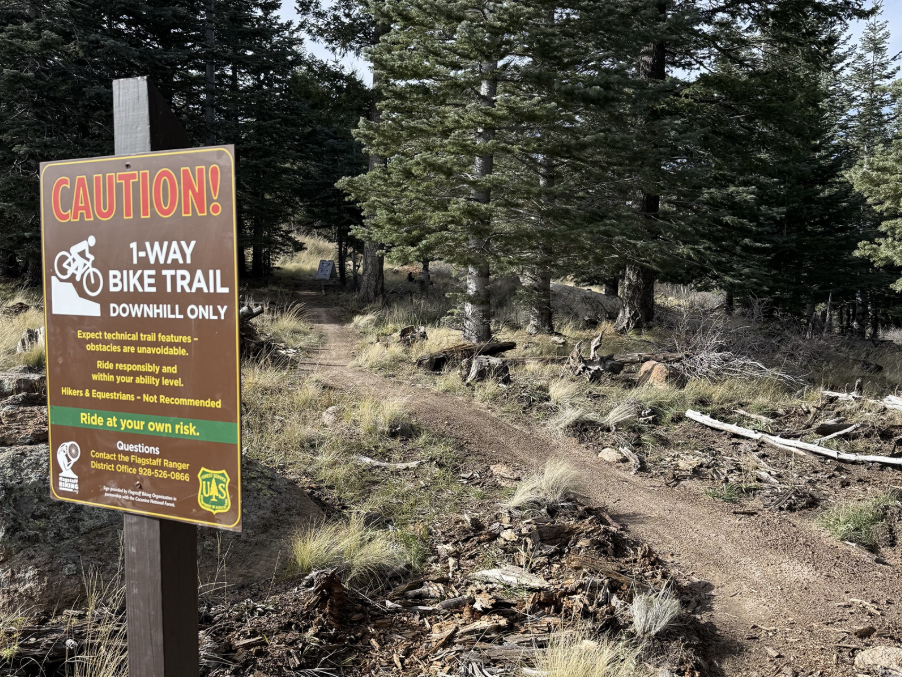
Private Reserves gets a revamp
Those who have been around the Flagstaff mountain bike scene for a while will quickly correct my use of the word “new” when referring to Private Reserves. Joe Hazel, Trails Coordinator for FBO, explained that the new double-black trail recently added to their portfolio was “an adoption of the existing Private Reserve social trail.”
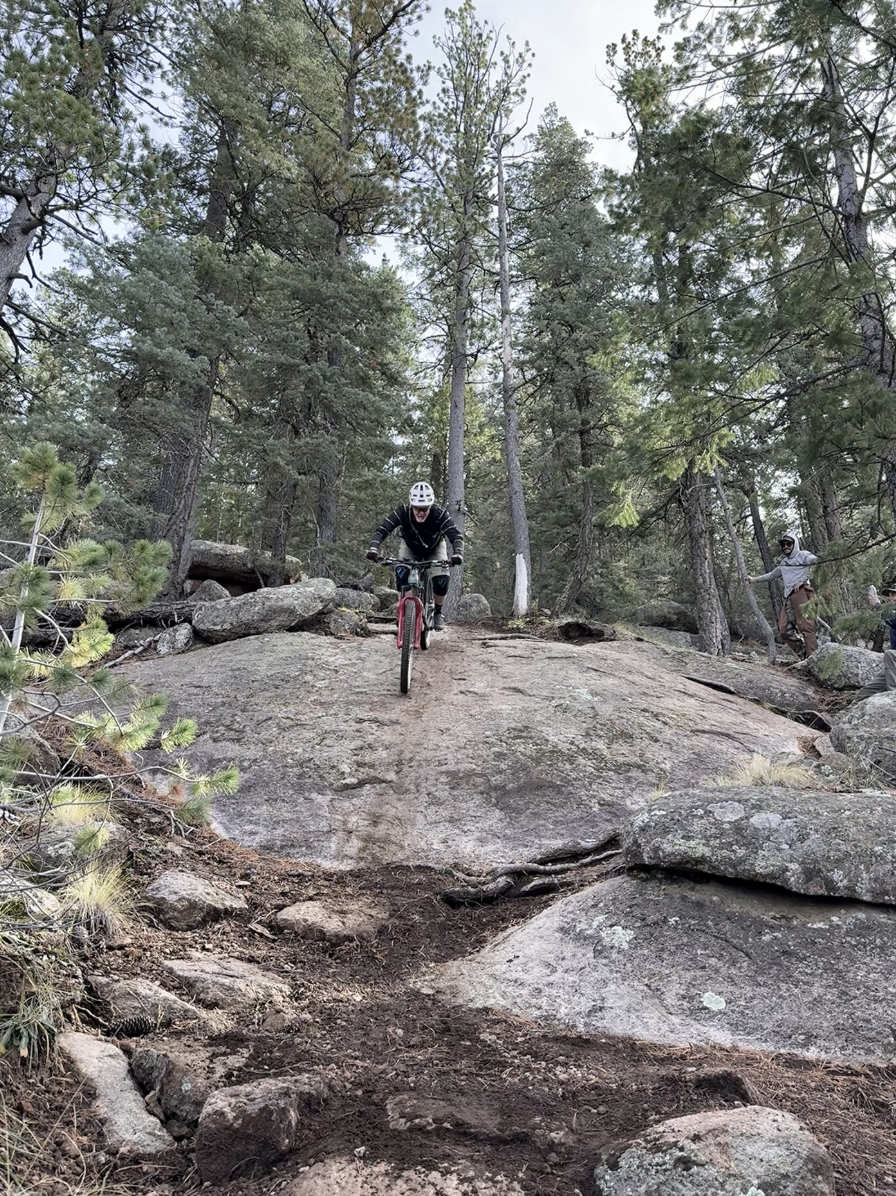
“[It] was arguably the most difficult of all the illegal steep tech trails,” Hazel continued. “Average grade was 23%.” And he isn’t wrong. Old YouTube footage shows some rowdy descents on the boulder-laden route most of us would likely walk. The trail starts at more than 9,000 feet above sea level, which would certainly leave low-landers huffing and puffing.
The adoption of Private Reserves is part of the Mt. Elden and Dry Lakes Hills Recreation Project (MEDL) with the Coconino National Forest, dating back to 2013. As a part of the MEDL, we reported that some 25 miles of trails were built in the area. The project also proposed up to four descending-only mountain biking trails. Full Sail and Meteoride were the first of the two and were completed two years ago. Private Reserves double-black, completed just recently, is the third, and a to-be-built single-black trail will be the fourth.
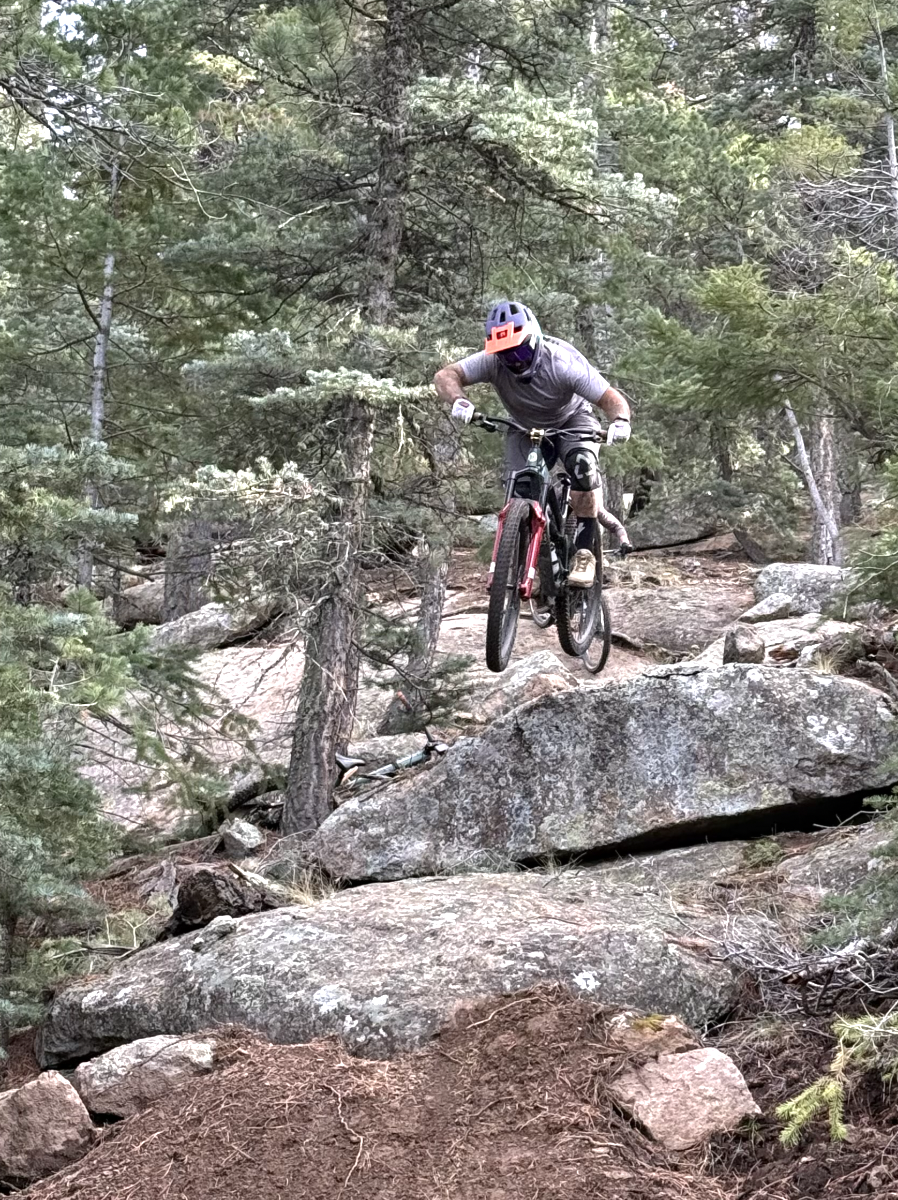
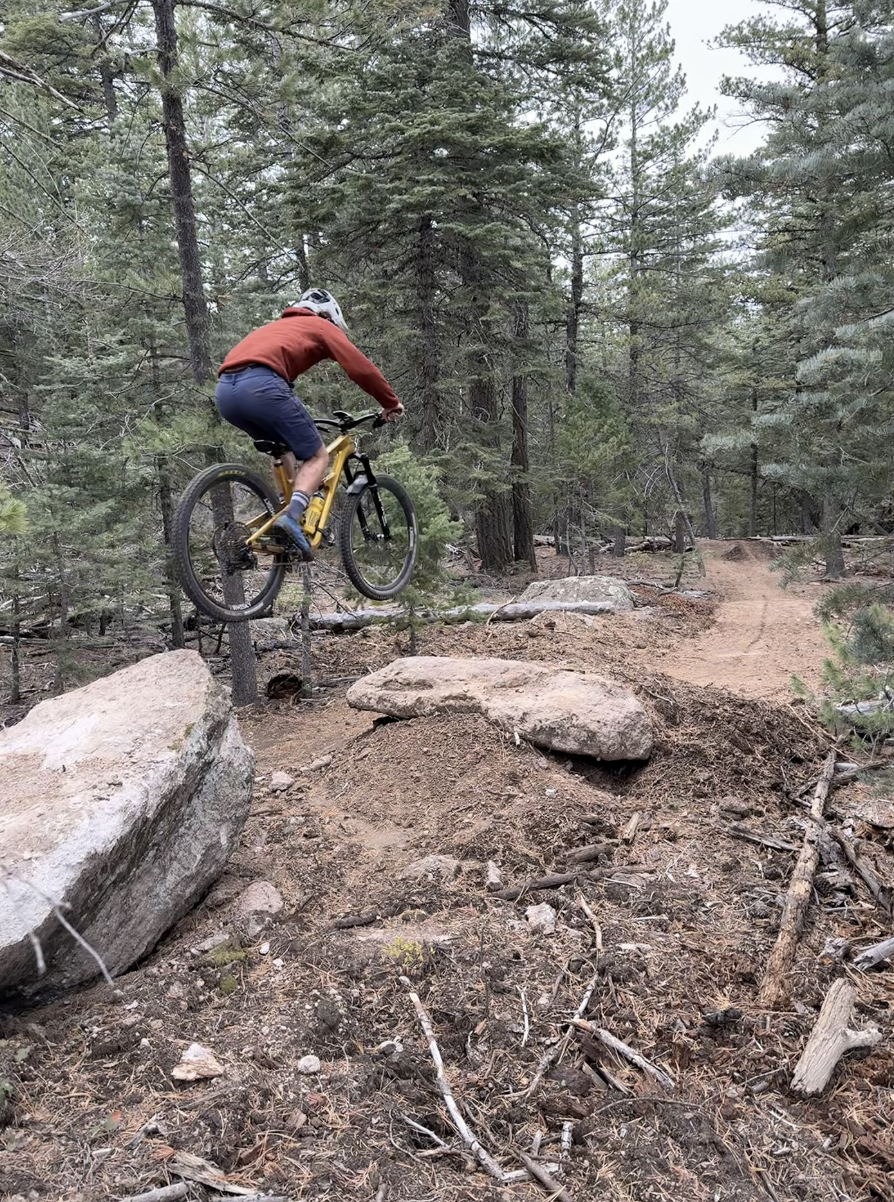
Hazel explained that the route was originally built around 2003 and 2004 and is part of seven or eight trails built during that period, which were regularly ridden and shuttled. As more singletrack opened to mountain biking, Hazel said these social trails represented a time when trail building couldn’t keep pace with mountain bike progression. In Flagstaff, that meant building steep, technical descents, like Private Reserves. Hazel said that while it was rowdy for the time, rutting and erosion over the years made the trail that much more challenging.
And most of the rebuild of Private Reserves addressed those erosion issues. “Where the alignment enters the steeper, boulder-strewn section of Private Reserve, builders repaired existing damaged tread and re-routed short sections to enhance sustainability,” Hazel said.
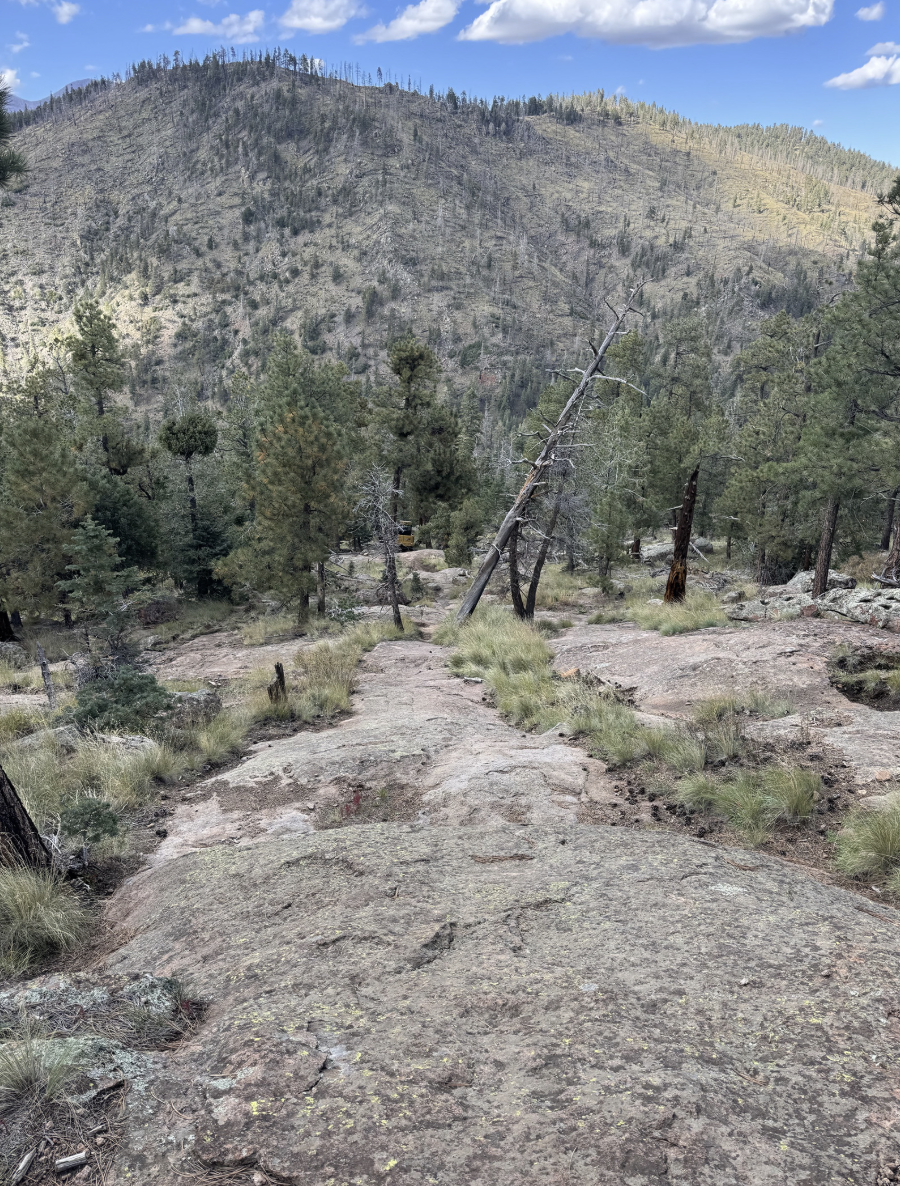
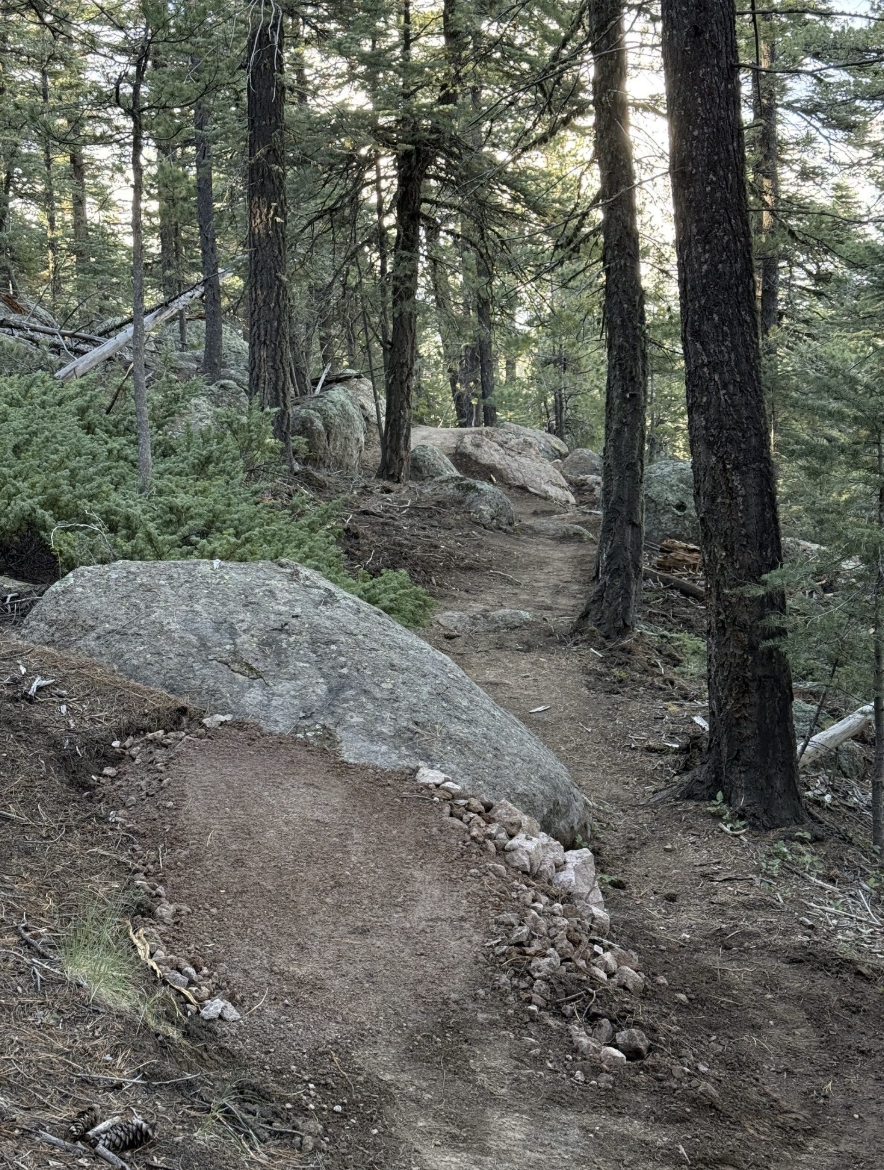
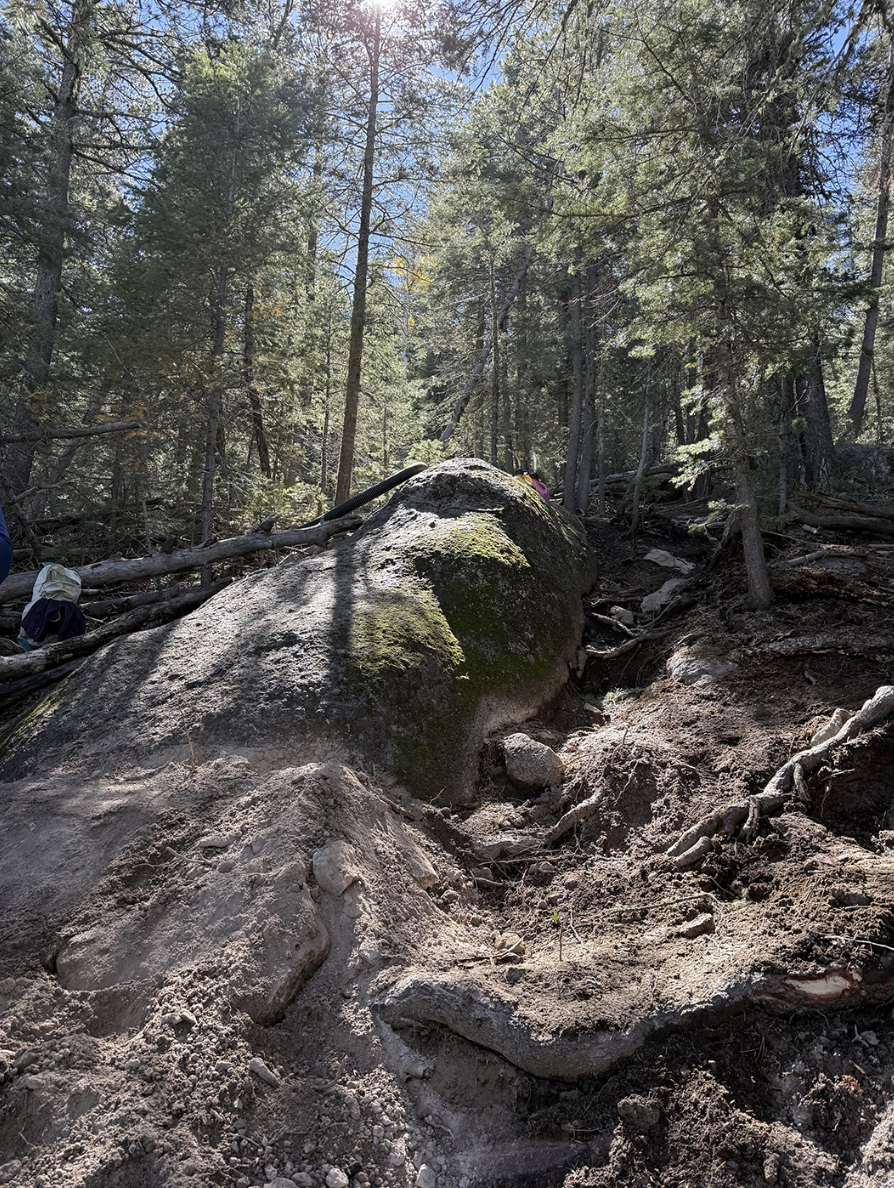
The most significant reroute comes at the bottom of Private Reserves, where the trail now takes a sharp right toward the bottom of Oldham Canyon. Moving the trail was a necessity, as the original route cut through protected owl habitat. While the reroute isn’t as steep as the original trail, Hazel said it still maintains its “sporty” and rowdy character.
All told, Private Reserves double-black is one mile long, dropping over 1,100 vertical feet in that distance.
Private Reserves isn’t just chunky, rock tech
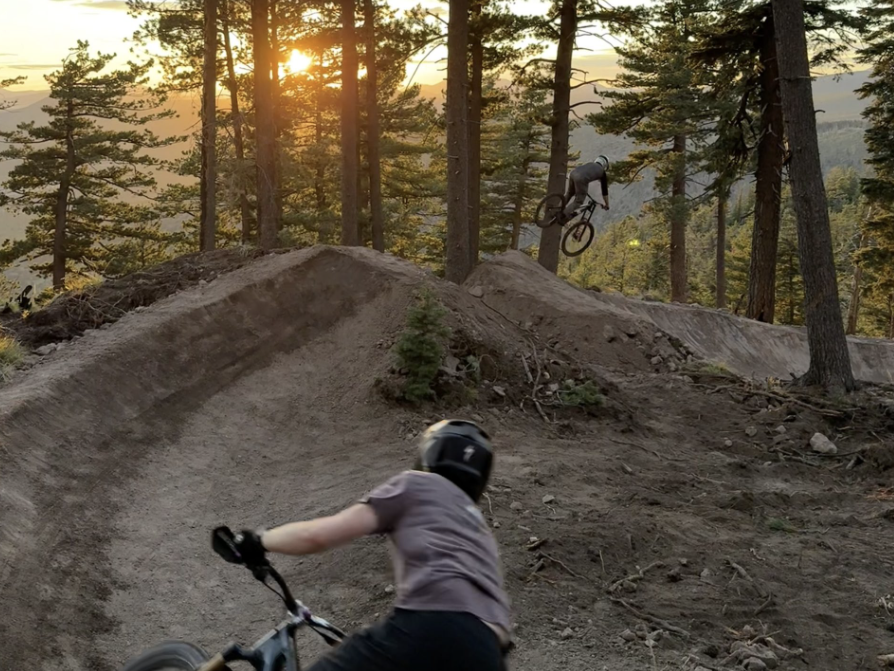
As it stood, Private Reserves was known as Flagstaff’s most challenging tech trail. While the trail changed somewhat, riders still need to carefully pick their way through boulders, down slabs, and navigate steep chutes as they made their way down the rocky ridgeline. But Flagstaff mountain bikers also wanted another feature: big jumps.
“Local riders expressed a desire for a challenging double-black jump line,” Hazel said. “It made sense to incorporate this as the lead-in to the legacy rocky ridgeline section below.”
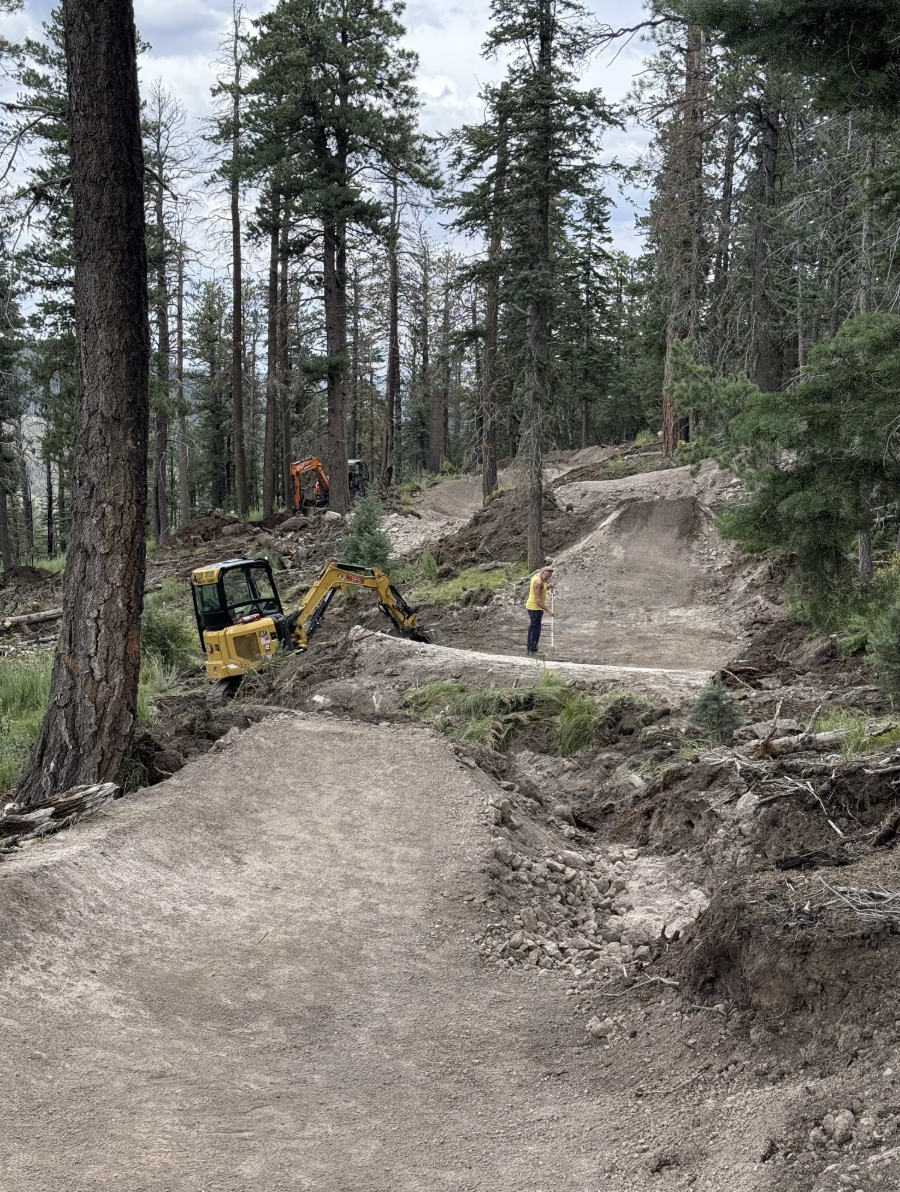
The new jump line at the top of Private Reserves consists of big tabletops and doubles of equal size or bigger. Along with the jump sizes, many require riders to clear the previous jump cleanly to carry enough speed through the line.
Hazel also said the new jumps serve as a squirrel catcher of sorts, giving prospective riders a sense of the difficulty to follow. If the lead-in jumps are too big and beyond a rider’s skill level, they really need to consider the steep, rocky terrain that follows.
That said, there are always outliers — rock hounds who crush it in the tech but aren’t looking for air time. For those riders, the double-black jump section has a blue go-around.
Private Reserves single-black is still to come
The revamp and rebuild of Private Reserves double-black left a progression hole in the Mt. Elden and Dry Lakes areas. The first designated DH trails — Full Sail and Meteoride — are green/blue and blue/black, respectively. Adding the solidly double-black Private Reserves left a significant gap in the system, with Meteoride the closest, teetering between blue and black. So, FBO proposed another Private Reserves trail, but this time in single-black fashion.

“The single-black is a tech flow trail that will combine machine-built berms, rollers, and jumps with natural terrain features that add challenge,” Hazel said. “The top part that has already been built is a series of step downs and step up tables combined with berms.”
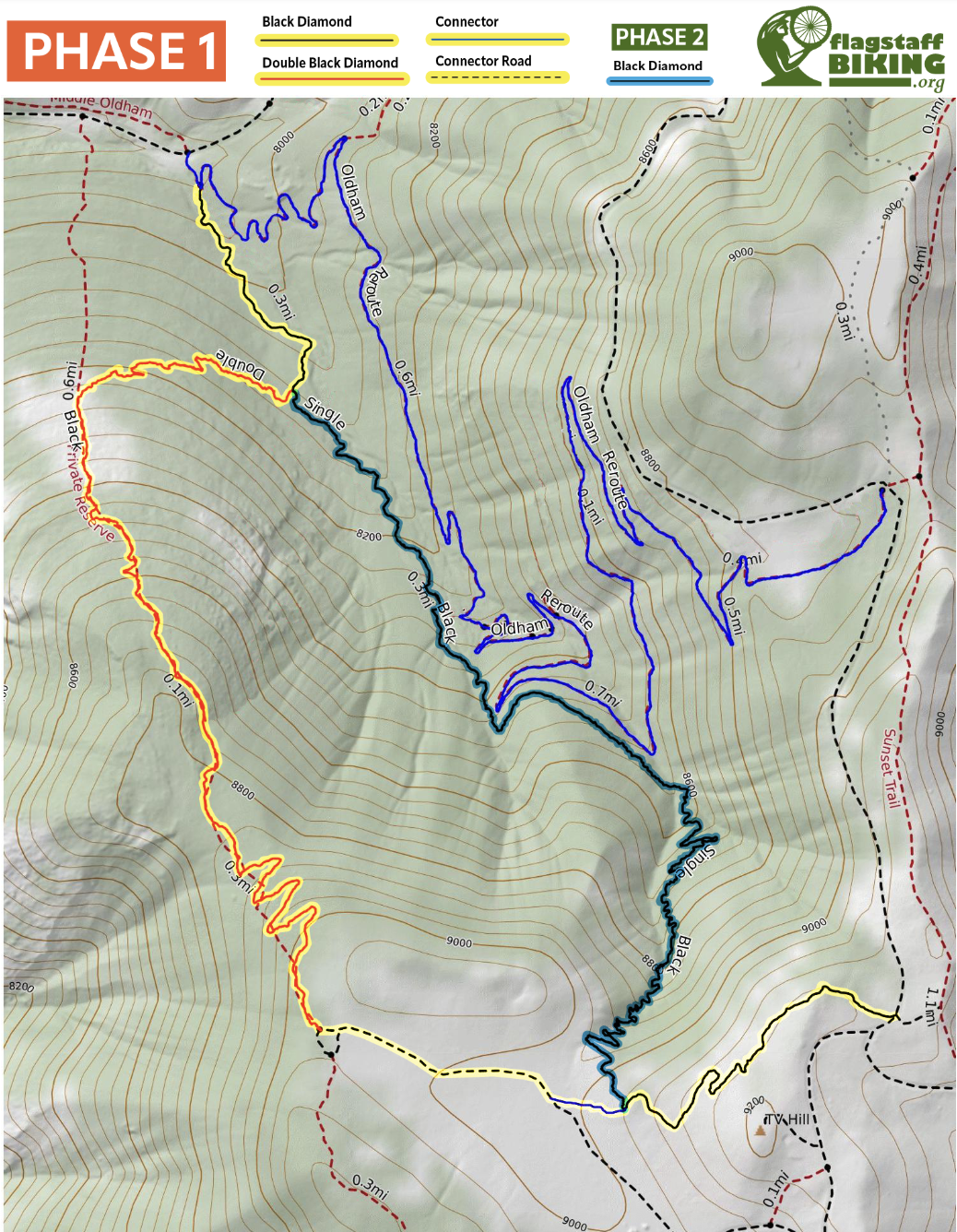
Phase one focused mostly on the double-black rebuild. However, FBO built a little over a quarter mile of the top section of the single-black trail to help connect riders to Private Reserves double-black. When trail work continues on the single-black trail, it will turn north and run roughly parallel to the double-black, but dropping into Oldham Canyon rather than being up on the ridge. Hazel said the new trail will wind through dense aspen and pine forest, using the canyon’s natural terrain and steep slopes to incorporate features.
Ultimately, Hazel said the biggest difference between the single- and double-black trails is that the double-black is steeper and has significantly more rock. That said, the single-black will still be a roughly 14% grade “flow trail.”
“The single-black will be built on better soils, but will also rely more on flow trail elements for challenge rather than technical rock features,” he said, adding that rock features will be incorporated where they can be.
“Flow” might be a stretch regarding the Private Reserves single-black, with Hazel perhaps more appropriately referring to it as a “flow-tech” trail.
The Flagstaff community is stepping up
While FBO’s two decades of advocacy for DH trails in Flagstaff can’t be underplayed, Hazel pointed to the Flagstaff mountain bike community as the backbone of these projects. “Local members of the riding community and bike shops stepped up to donate or help with the sweepstakes. Several business sponsors stepped up big time.” Hazel said the local Pepsi distributor, Nackard Pepsi, contributed nearly half of the $240,000 in phase one costs.
In addition to the community support, Hazel praised the partnership with the Coconino National Forest and a willingness to work with a biking organization on single-use trails. He also had great things to say about Momentum Trail Concepts‘ work and skill regarding trail construction.
FBO will need another $160,000 for phase two. They are currently pursuing an Arizona State Parks grant for phase two and expect a decision in the coming months. Moving forward with the next phase will depend on securing funding.
Keep up with the latest mountain bike news by adding Singletracks as a preferred source on Google.






1 Comments
just now