

Dear reader, do you recall the classic Rambo knife? The blade was serrated at the back for chugging through ropes, and smooth up front for slicing bananas.
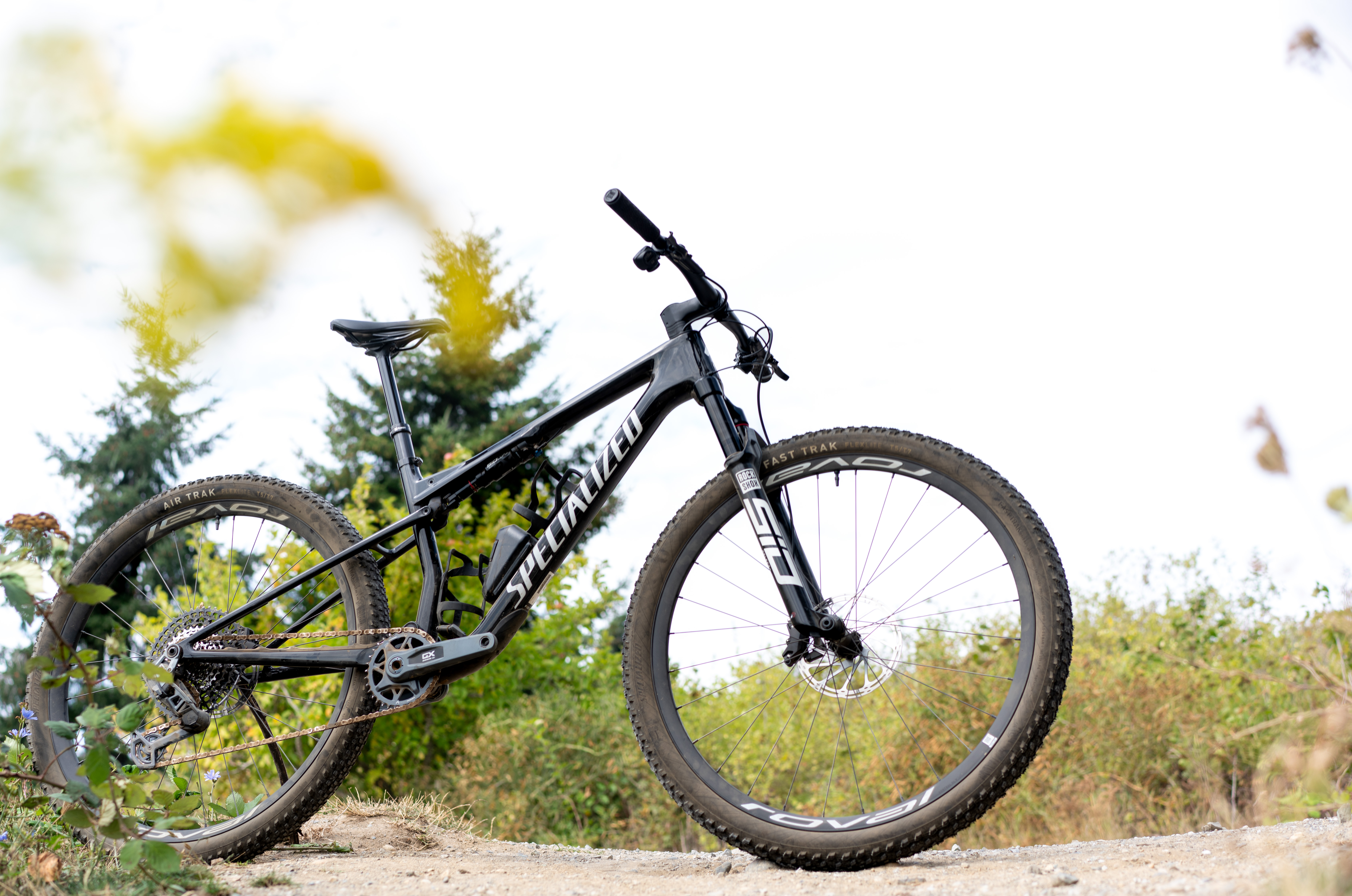
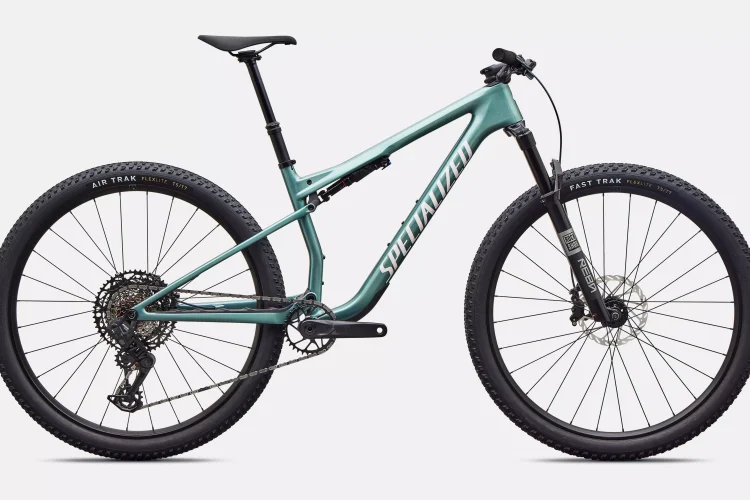
The Epic 9 resembles the slippery side of a scalpel. When Specialized designed the Epic 9, things looked decidedly more XC race-focused than some of their prior short-travel offerings. Where certain short-travel bikes can play a little pho-enduro, the Epic 9 feels like its job is complete after an XC race, and now it’s time for bubbly champagne ’cause ya won.
Specialized Epic 9 key specs
- 120/120mm suspension travel front/rear
- Price: $7,499.99 for the Expert build, tested
- Buy from Specialized
The Specialized Epic is lighter than before and gets updated geometry
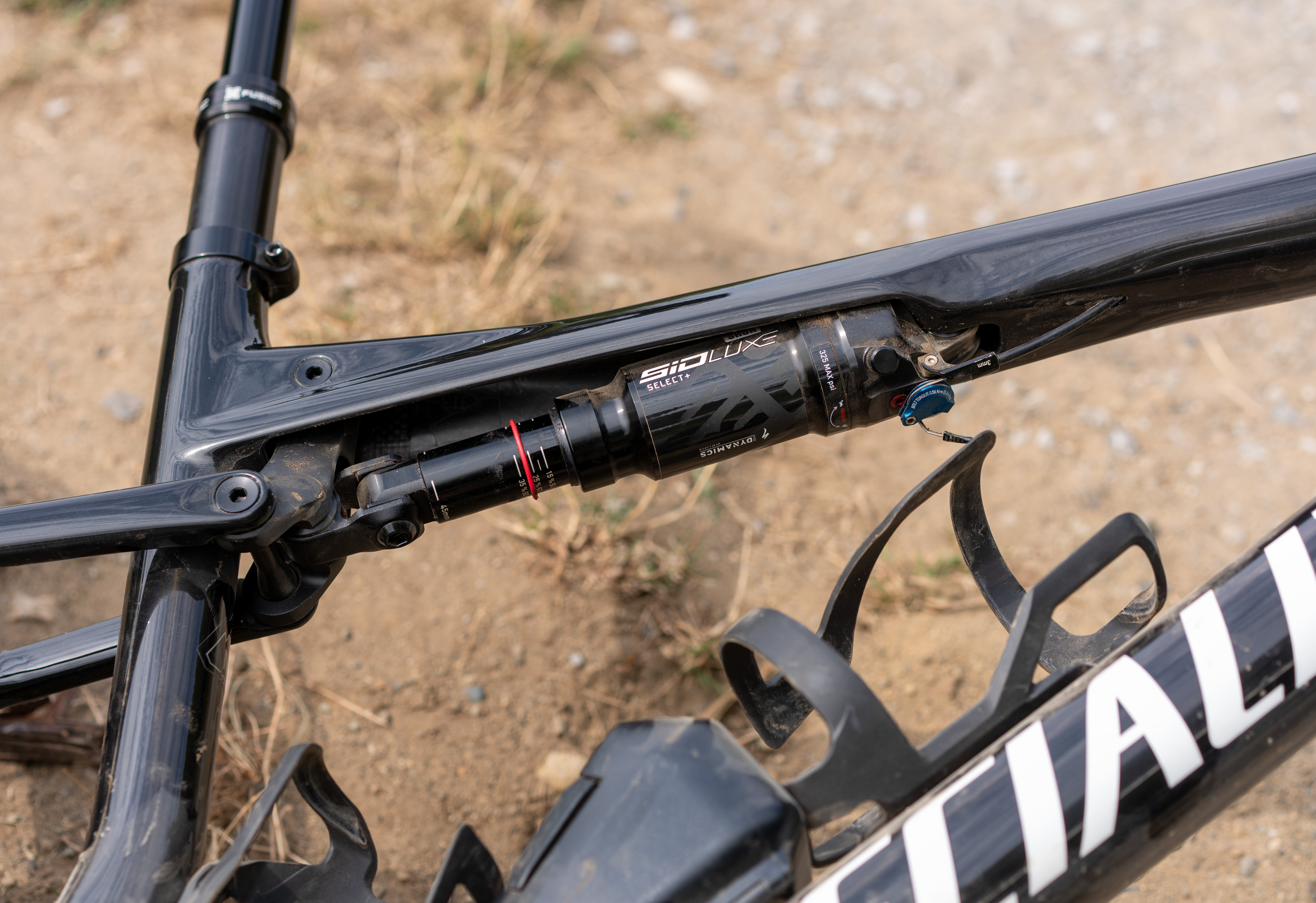
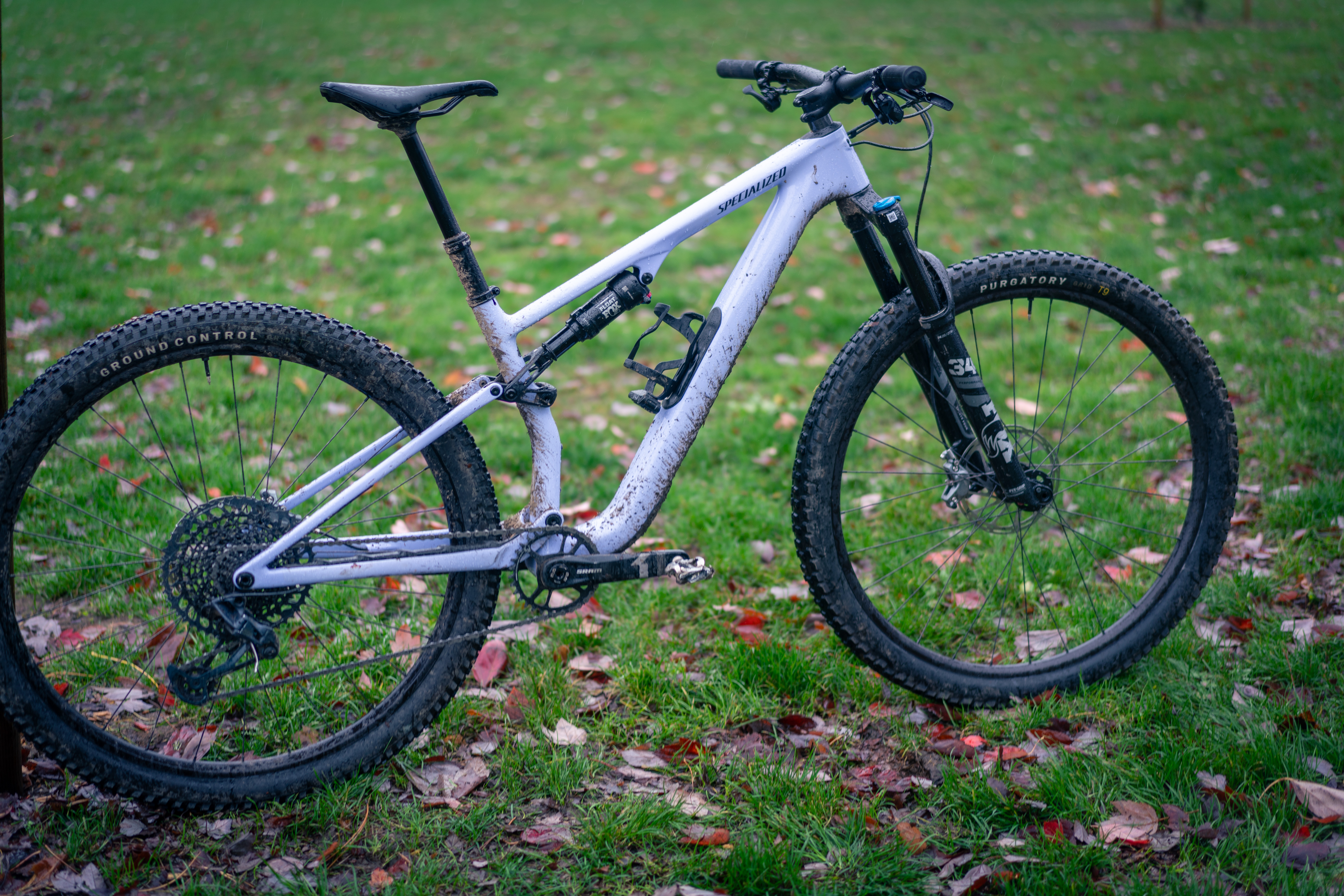
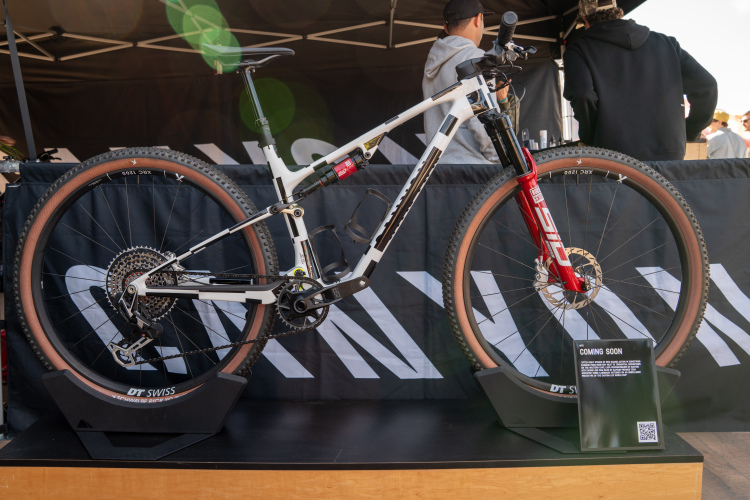
In its shift from the 8 to 9 model numbers, the Epic dropped a few hundred grams, switched to a horizontal shock orientation, and switched up the usual new geo algorithm to longer, lower, steeper. There’s even an Ultralight build available weighing just 18lb and 14oz (8.56kg) if you have $15K tucked under the mattress. Specialized states that this new Epic 9 is the lightest production XC bike out there, beating the competition by 125g. Sounds fast!
Reach measurements on the Epic 9 stretch 17mm longer than its predecessor for a size medium; the head tube lean is 0.9° steeper, and the BB is 4mm lower (in low setting). Longer, lower, steeper. In other news, the bike’s chainstays are 3mm longer, and the seat tube angle is 1.5° steeper. That final measurement was a notable one, as the saddle on my Epic 8 is slammed as far forward as the rails will allow.
It seems there are two main user groups for this bike: XC racers who want the best and the lightest, and trail riders who enjoy climbing and want a sharp, smooth blade to slice up their daily laps. As a former spandex-serious kid, I still have some idea of what’s desired.
For the fastest: XC race review
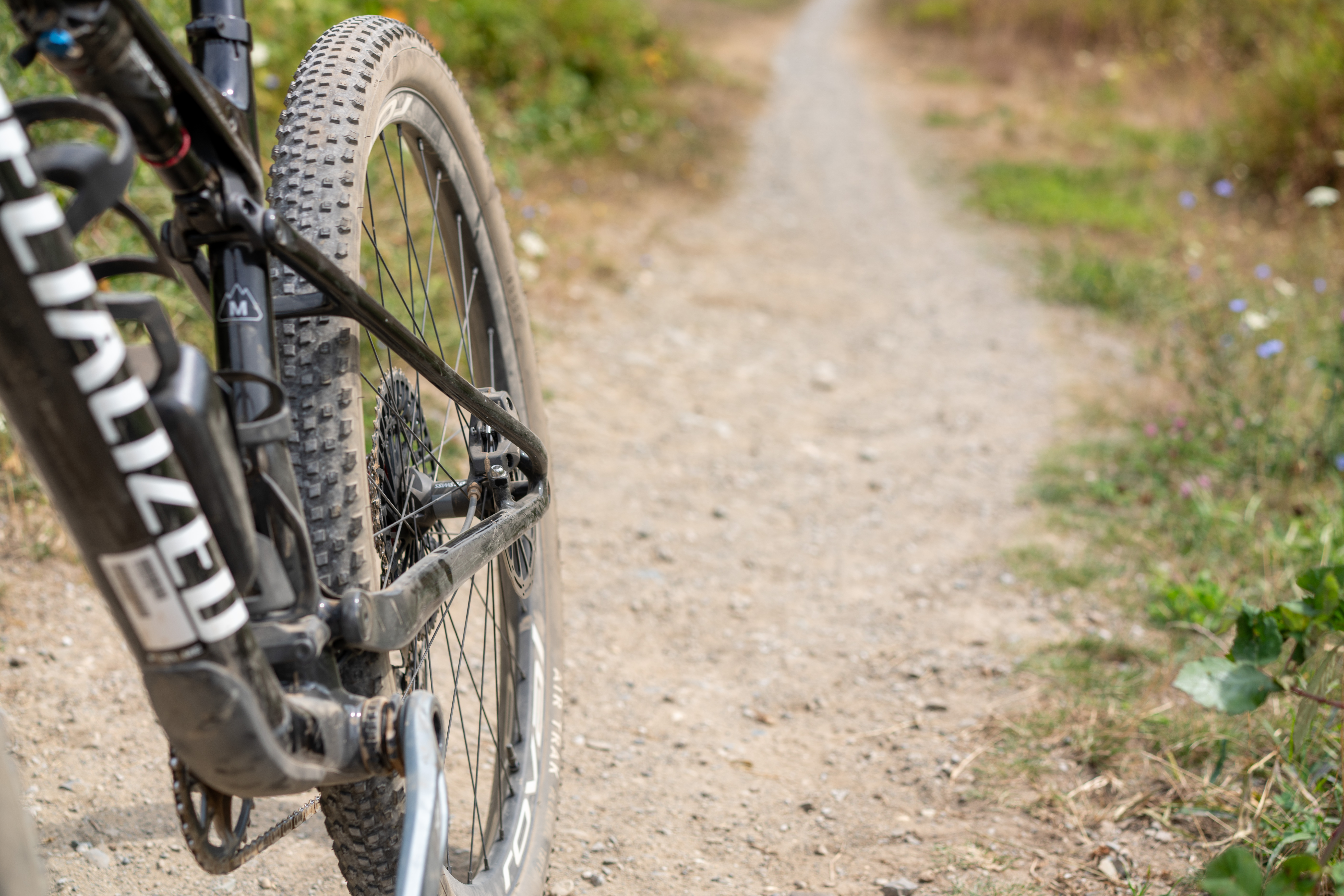
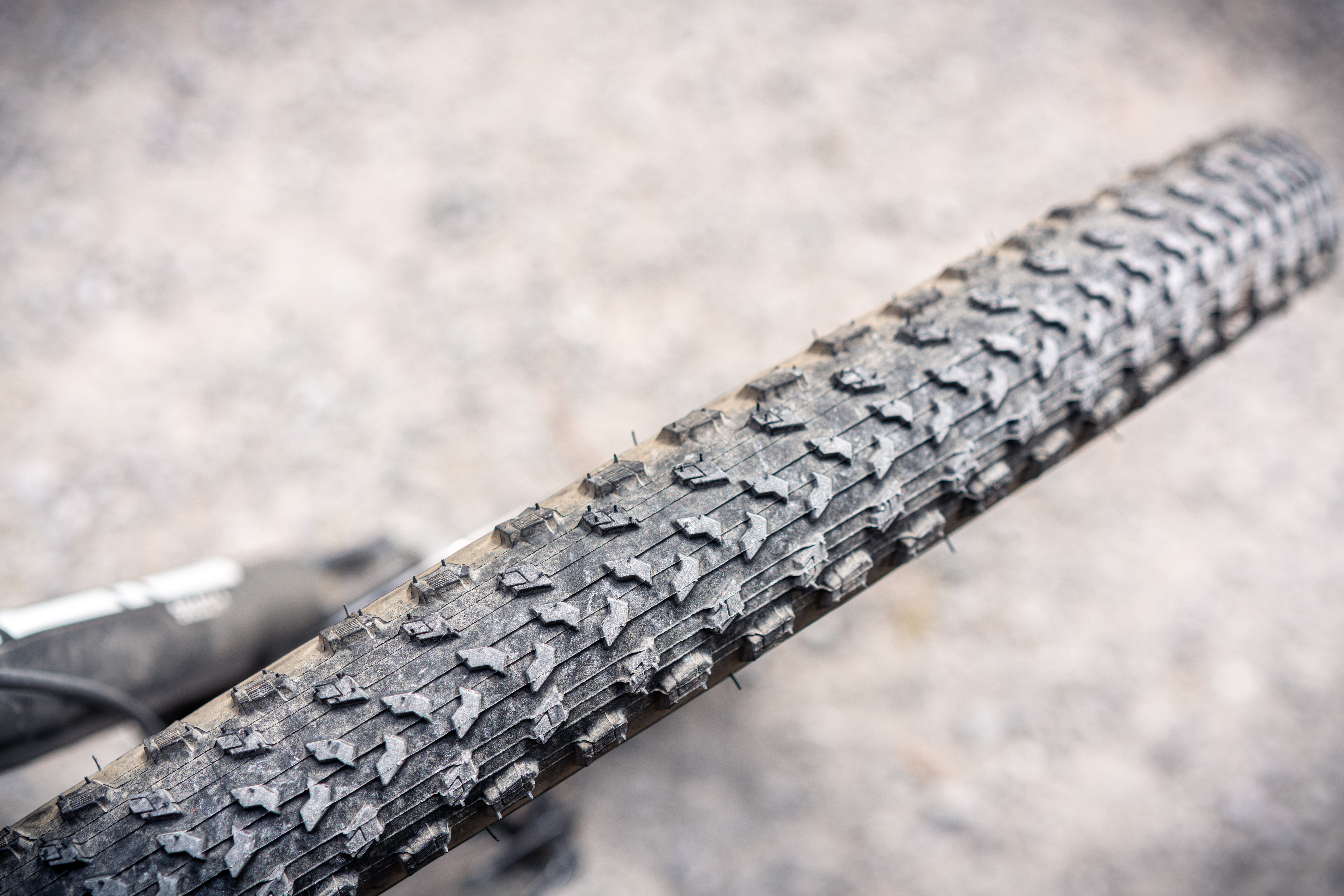
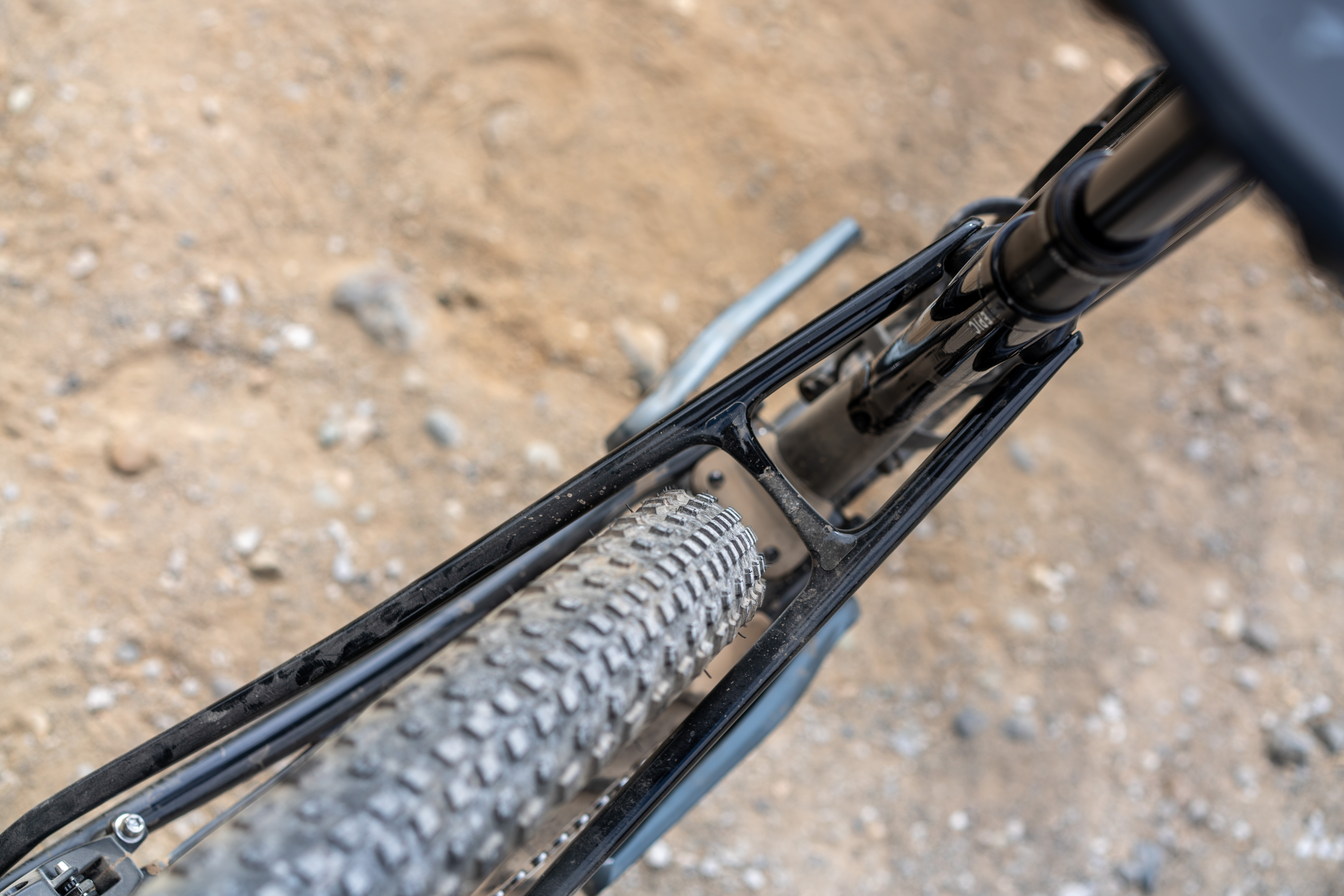
The Specialized Epic 9 has a front and rear suspension lockout, flex stays, weighs less than the armored insects it rolls over, and the tires resemble something most gravel riders would love. It’s made for peak-fast.
The Epic 9 is lighter than the road bike I used to race, and it climbs accordingly. If your friends ride e-bikes, this is the XC bike to keep pace with them. Or try.
Pedaling uphill is the Epic 9’s strong suit, as it should be, smashing through technical trail messes and squirting up any steep bits that your legs and traction can handle. The rear tire moves through the first third of it travel aplenty to maintain rear tire traction. Not knowing the exact leverage curve of this bike, the Epic 9 feels slightly less regressive than the Epic 8. Put differently, the Epic 9 rides a little more plush than the 8. That should make for a fantastic marathon or stage-race ride on rougher trails, with slightly less fatigue throughout the day.
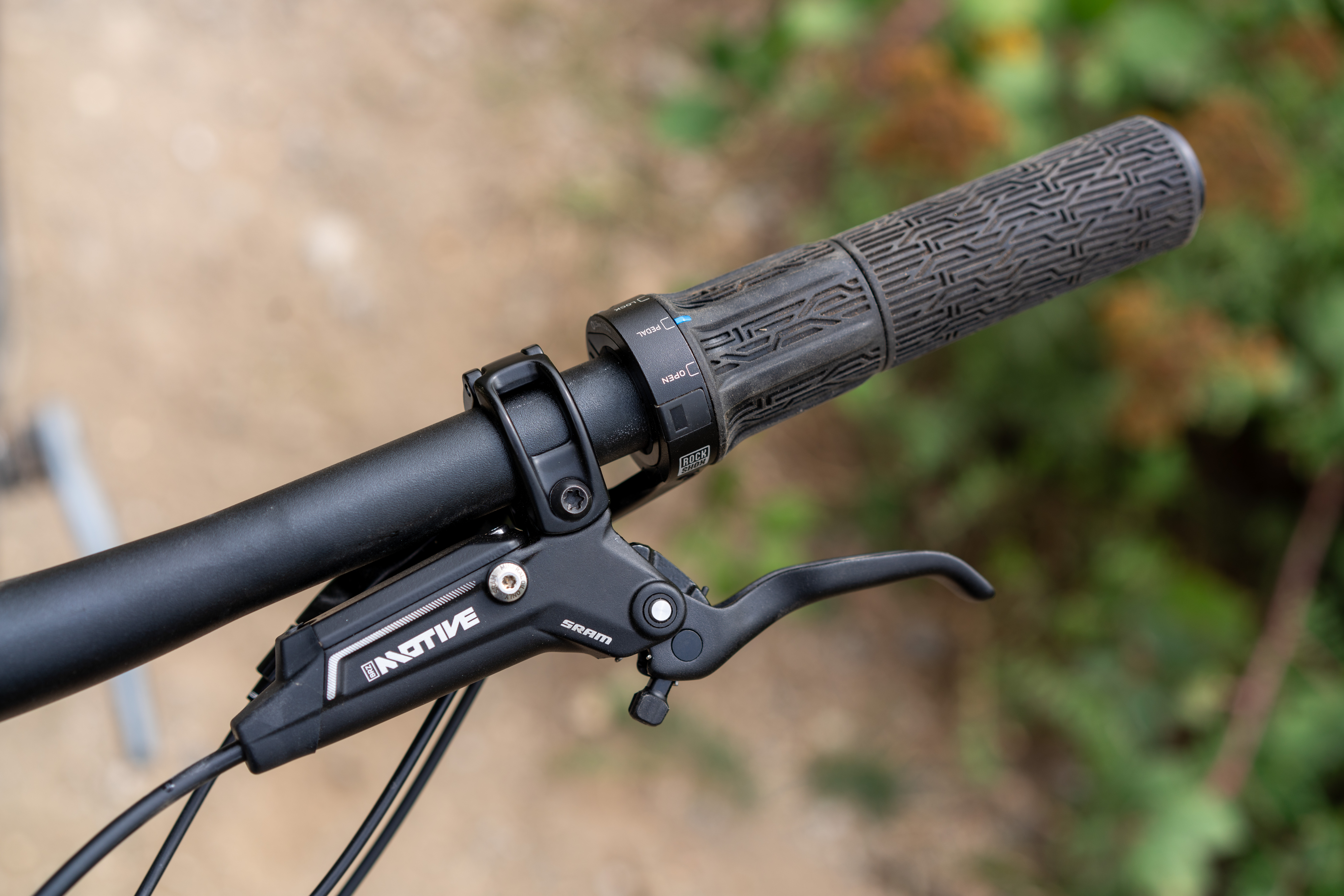
A grip-twist suspension switch can add compression and firm things up, or throttle it all the way on for a classic “lockout” feel. The middle setting works great to transfer power on smoother climbs, and the lockout could be a sweet tool for gravel grinds or sprints. In a non-race setting, I mostly used the mid-setting while pedaling across town and then cracked it open on the trail. This middle setting does reduce pedal bob a bit, and it generally feels efficient.
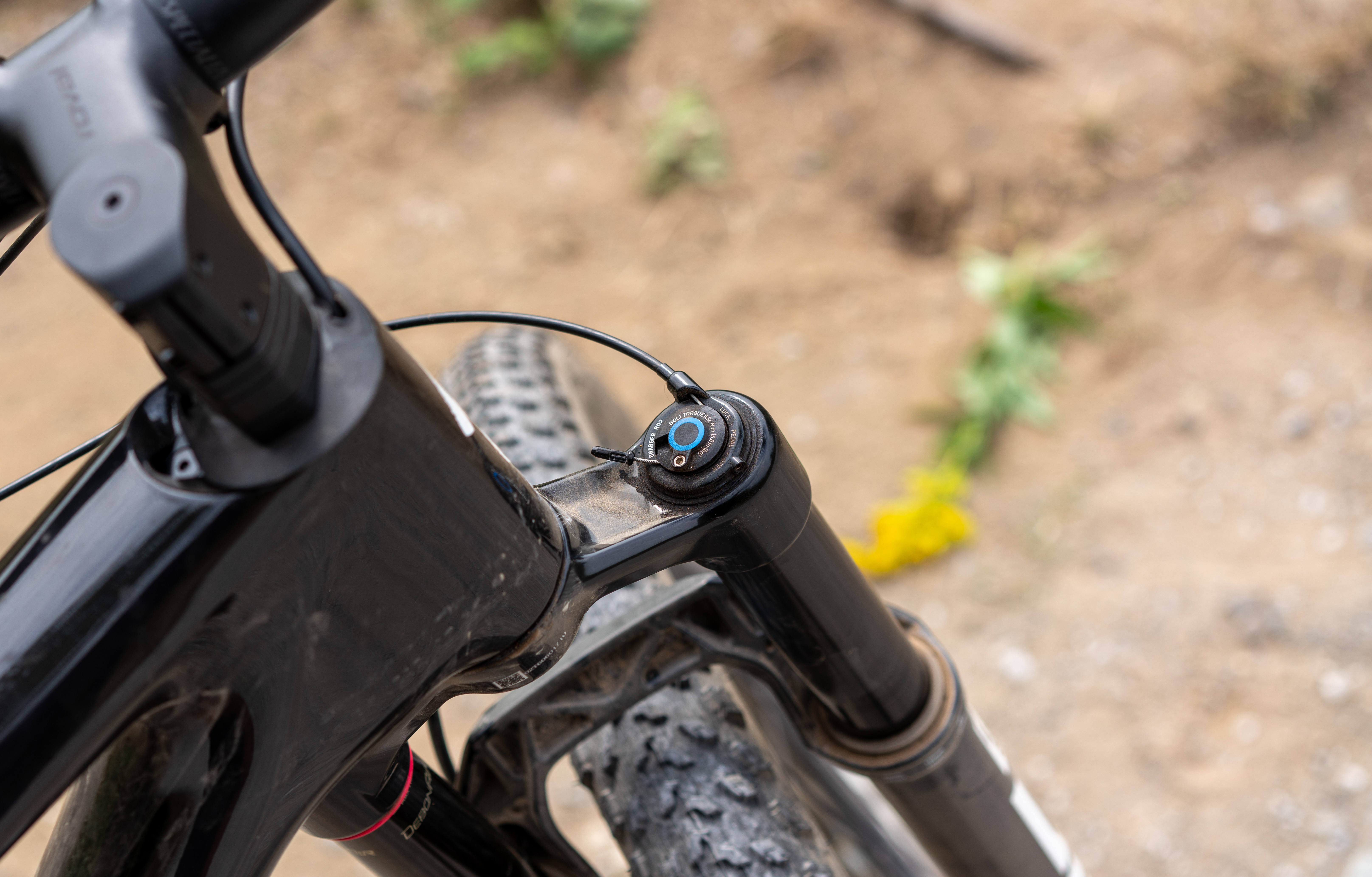
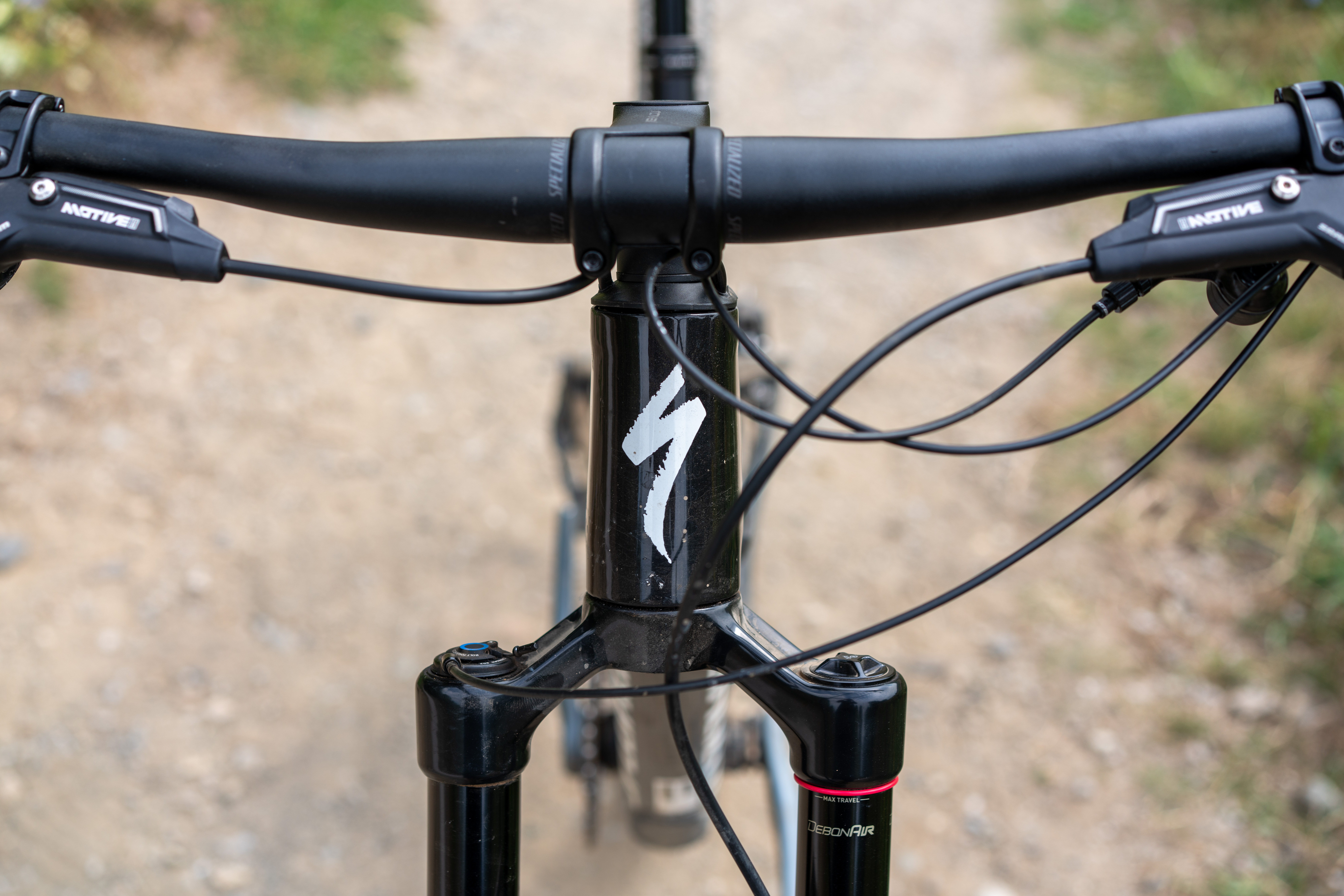
That same suspension switch comes with compromises. While the rider can select between the three modes, adjust air pressure, and rebound, there is no quick adjustment for compression on the fork or shock. This means that if you want more resistance from your damper up front on a steep trail, too bad. Compression settings are pre-determined and adjusted in tandem. This limitation may be fine for a lot of folks, but It’s a deal-breaker for me. If I bought this bike and wanted to have manual compression adjustments, I would need to delete the grip-twist remote, change the fork damper, and likely swap the shock. Or I could just buy a different bike.
The suspension remote also limits handlebar grip selection, and the stock grips were chunky and uncomfortable for my liking. To add another stone on the negative side, there are more cables on the handlebar rat’s nest and more things to adjust. Some XC racers will likely have the inverse perspective of this component, but for me it’s a clear red flag.
On flat ground, this stiff little frame is made to rip. The bike feels wildly fast and efficient, from the featherweight tires to the narrow flex-stays. The Epic 9 screams far louder than the 8 that it is here to win, not to play or party. This bike wears spandex and should likely come with a power meter.
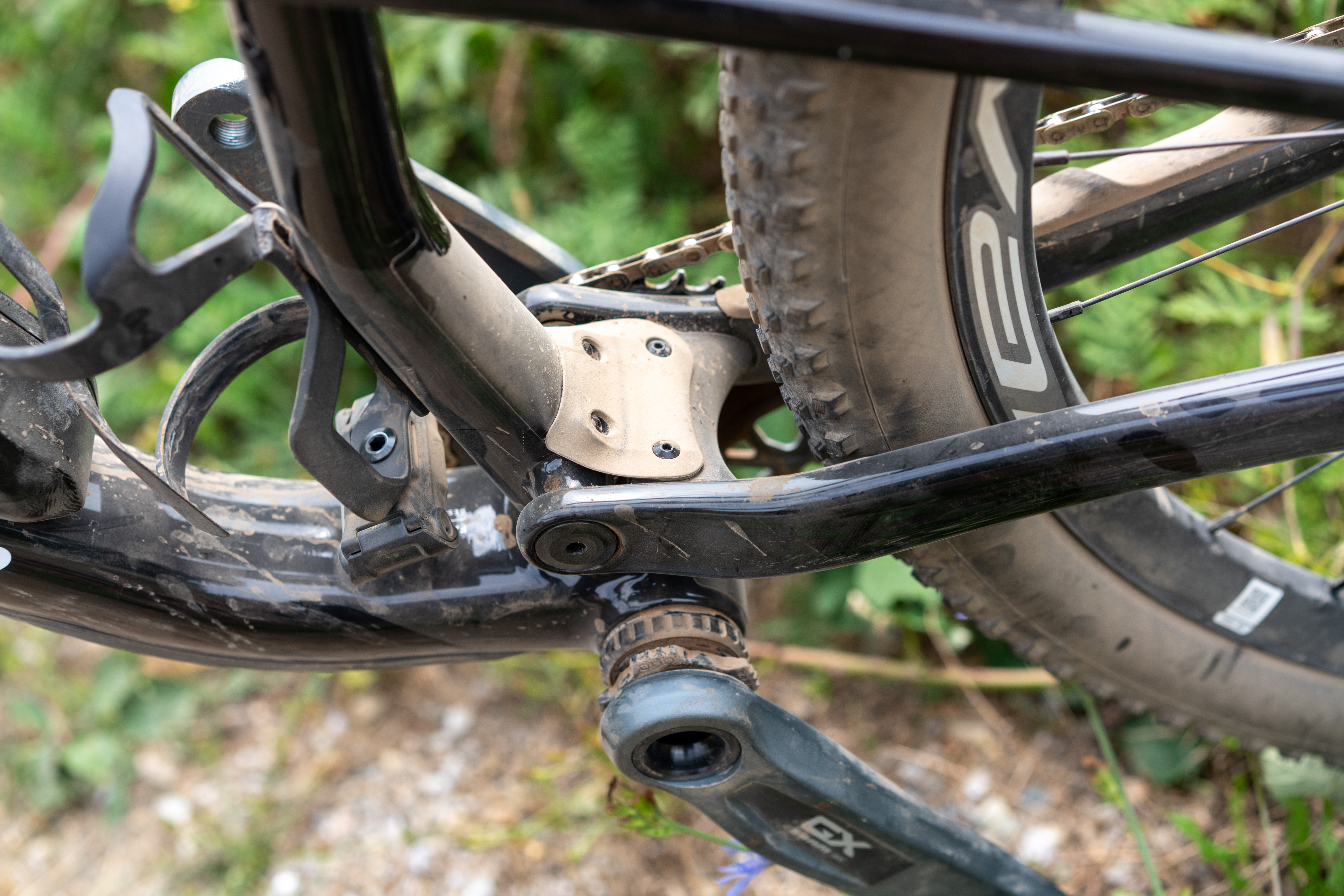
The Epic 9 can survive steep descents, but it’s still an XC bike
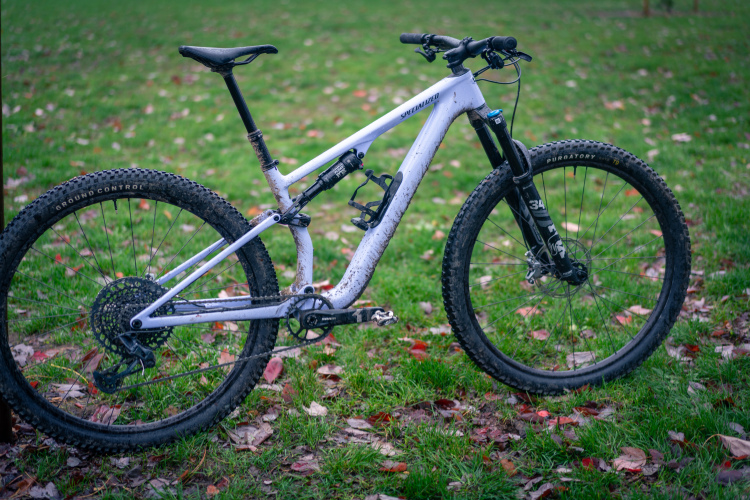
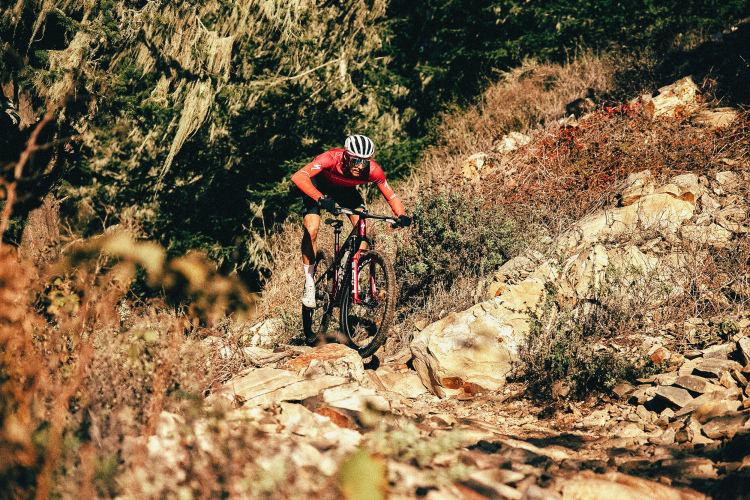
With gravity comes compromises for XC bikes. At least this one. Where the Epic 8 can be ridden down your local double-black with a little more precision and focus, the Epic 9 gets a mild case of the jitters. Its slightly steeper head angle, longer wheelbase, and tire selection leave the new model feeling like a cat in water when things get truly steep. Modern XC courses are gnarly, and this bike will work when things feel nuts, but it’s nowhere near as confident as the big-bike-in-little-bike-clothing feel of the Epic 8 EVO. It feels like Specialized made the perfect do-it-all short travel rig with the Epic 8 EVO, and then decided to reel things back toward the sharp end of racing with the new model.
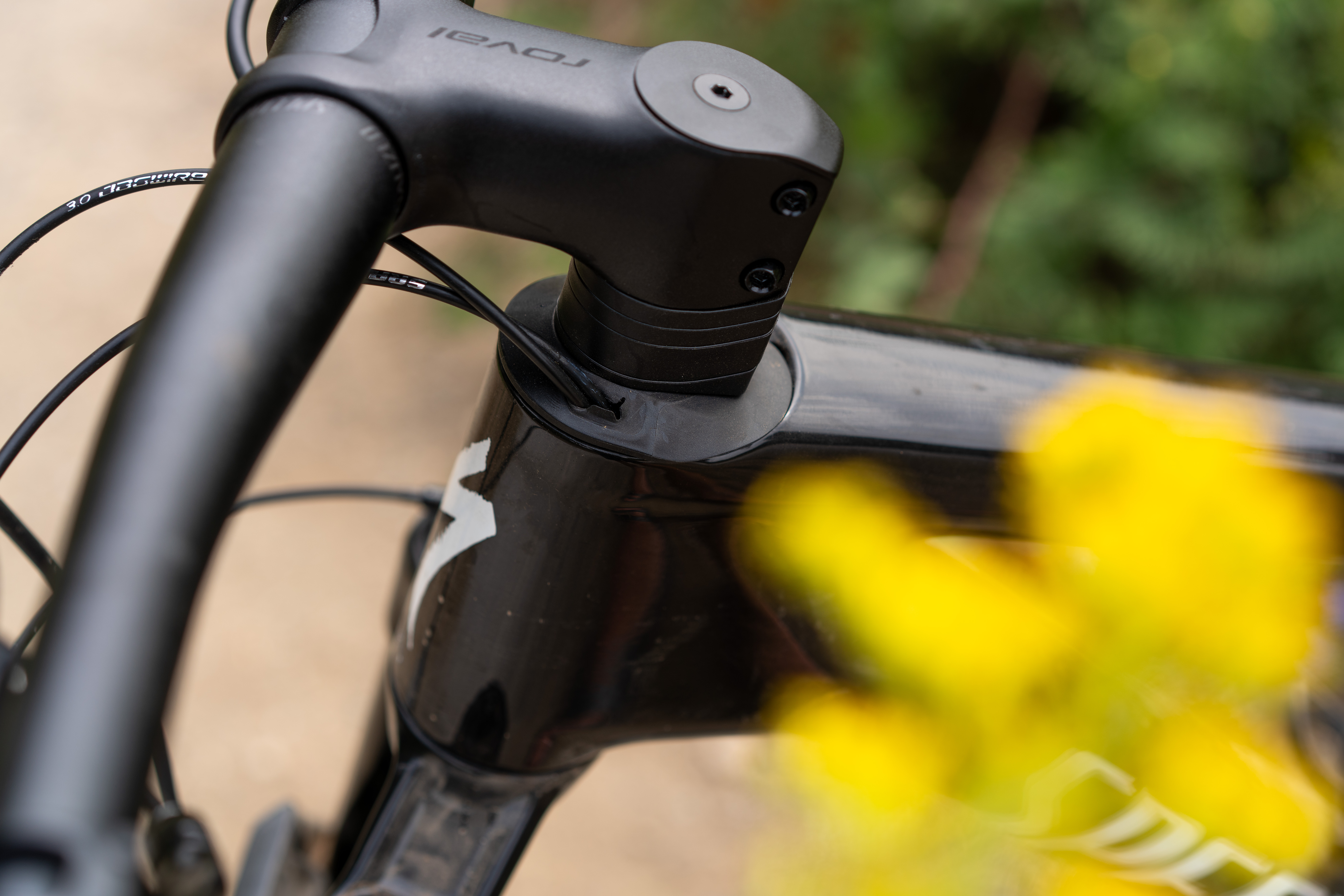
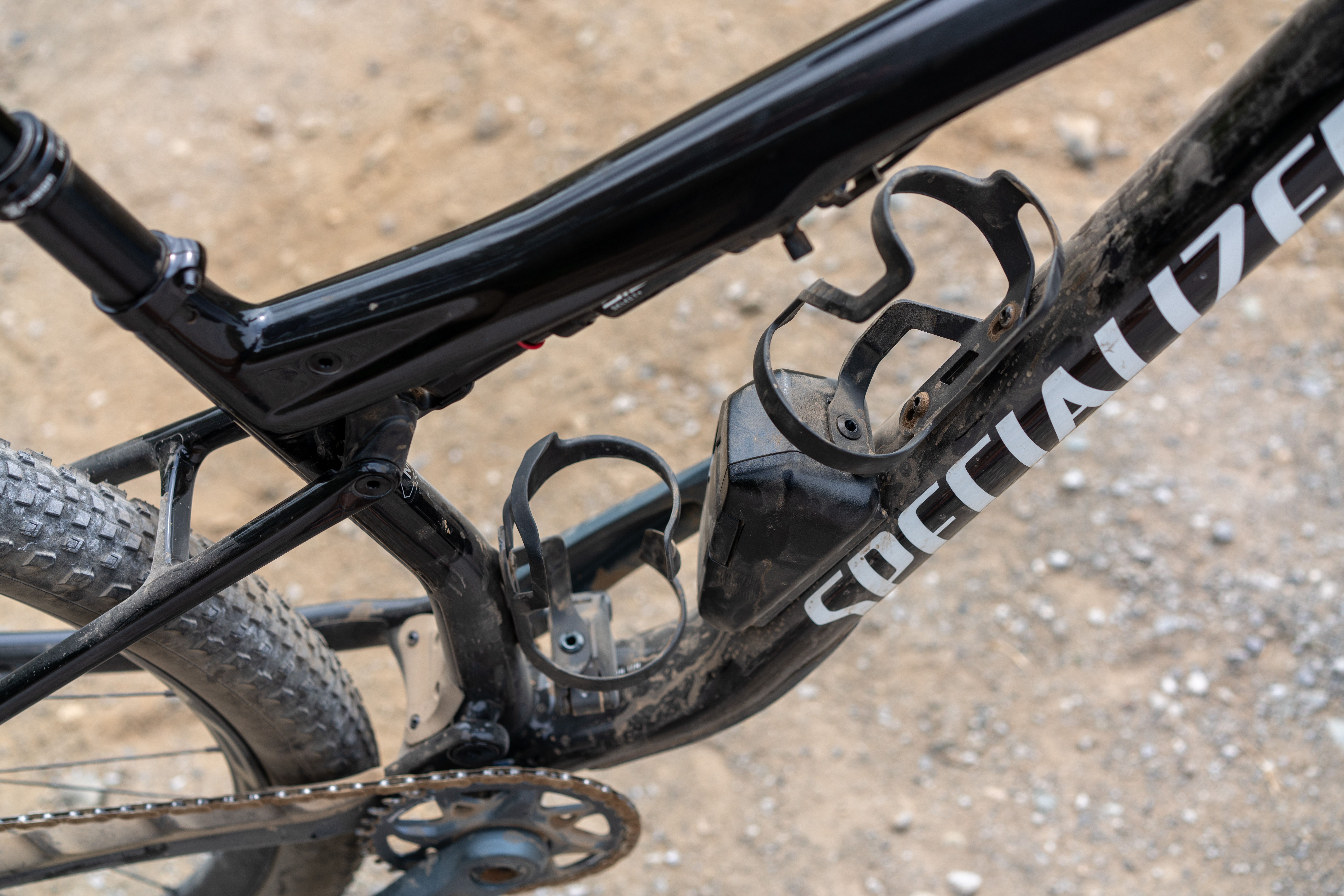
So it’s fast and efficient, climbs great, and can survive most gravity tracks. A size medium fits two water bottles, plus there’s frame storage for all your snacks. The component spec is about as good as it gets for an efficient and stiff race bike. If you race or ride smoother trails where your rear tire rarely contacts your glutes, this is one of the fastest options on the market.
If you’re here because you want a lightweight, short-travel bike that feels like your beloved enduro bike went on a diet, my recommendation is to snag an Epic 8 EVO while supplies last. That’s the best bike I’ve ridden in years, and I’m still trying to find the level of trail-gnar it can’t handle. The Epic 8 EVO is so good that it had me convinced to swap my other bikes for Specialized models, until I rode the Epic 9.
Hoping for an Epic 9 EVO
My trepidation toward the Epic 9 sits entirely in the fact that I want a versatile and fun XC bike. This newly sharpened blade is unequivocally the right tool for a race job, making it the wrong tool in other cases.
If you live somewhere with tamer trails, or your bike-handling skills have you loving paper tires and feather-everything, the Epic 9 is definitely worth a test ride. It would be a great trail bike for a place like Bend, Oregon, or anywhere with smoother trails at lower gravity angles.
The main limitations of the Epic 9 that push it out of the do-it-all category are the lack of compression adjustments, the thin and short-tread tires, lower-powered brakes, and the steeper head tube angle. That’s a lot, particularly considering the retail price. All of these pieces suggest there may be an Epic 9 EVO option on the horizon, swinging the bike’s pendulum back in the party direction a bit.
Specialized considered every last performance advantage possible with the Epic 8 EVO, and the pudding proof is evident the moment you give it some gas. The bike absolutely rips climbs, and can hold its own against any of the top XC bikes we’ve ridden. We hope Specialized sprinkles a little EVO on the Epic 9 eventually to open its possibilities just as wide as the last EVO model.
Pros and cons of Specialized Epic 9
Pros
- Super light
- Efficient
- Race-focused
Cons
- Race-focused
- Expensive
- Suspension adjustment style isn’t for everyone
Share your Specialized Epic 9 review
Keep up with the latest mountain bike news by adding Singletracks as a preferred source on Google.


1 Comments
Sep 10, 2026
The Epic 8 EVO seemed to hit that middle ground really well. Maybe an Epic 9 EVO would be the perfect balance?