










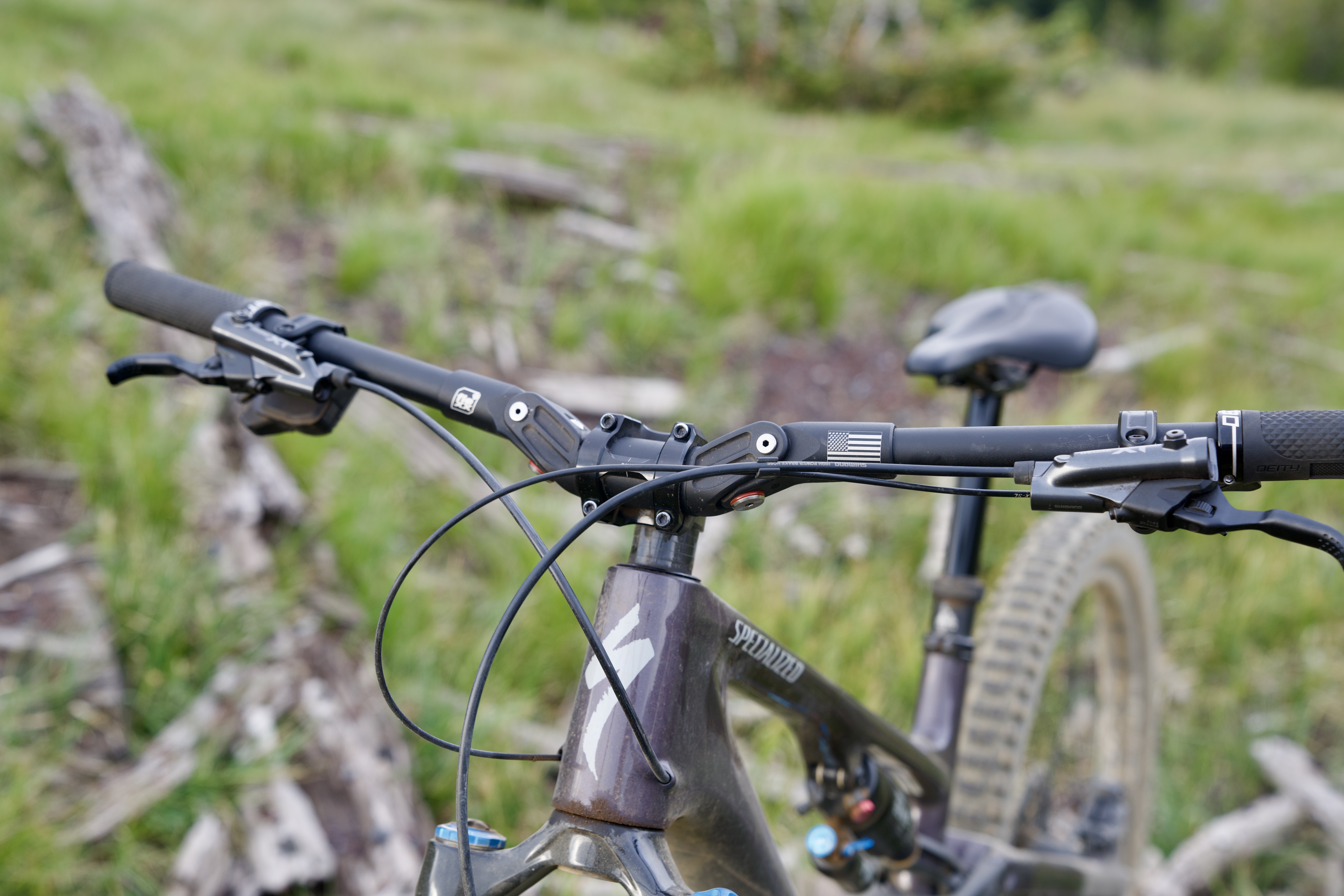
These are likely the most interesting – and most expensive – handlebars you’ve seen. Fasst adds a bit of suspension to their beefy Flexx alloy bar, claiming the design absorbs trail chatter and provides relief to your hands and arms.
But, for the price, they better do what they say.
Fasst Flexx handlebar key specs
- 35mm stem clamp
- 25mm rise
- 5° upsweep / 8° or 12° backsweep
- 7075 aluminum
- 650g
- Fasst includes all 4 elastomers
- Price: $399
- Buy from Fasst
What is the Fasst Flexx enduro bar?
Maybe you’ve seen these on social media or actually out on the trail – handlebars with “suspension.” To be honest, my only experience with the Fasst Flexx bars was seeing them online.
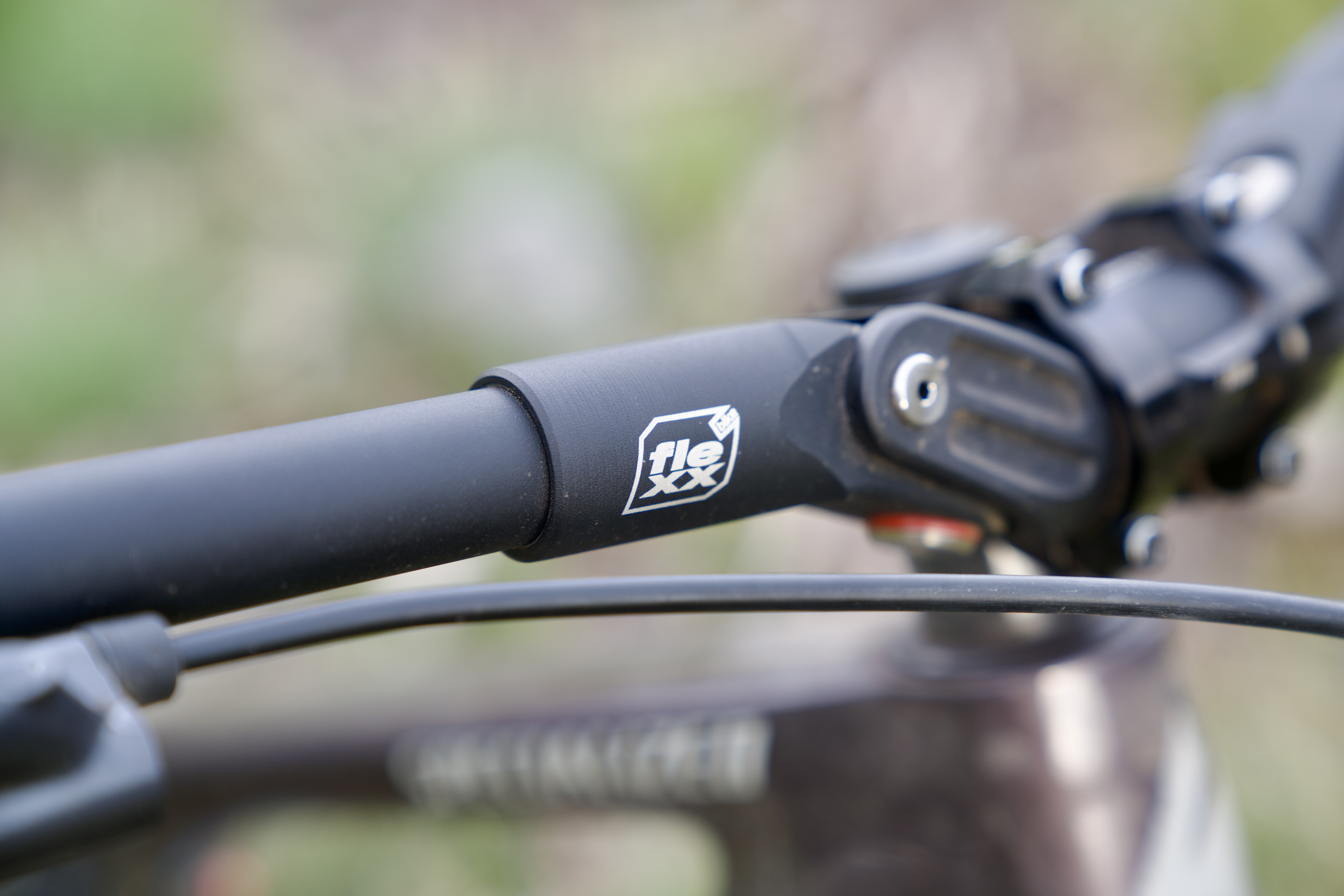
Calling the Flexx a “suspension handlebar” is a pretty effective description. The Fasst Flexx bar essentially has pivot points on each side, with different elastomers providing a bit of flex – or travel, really. Fasst says that the bar should provide about 5° of travel.
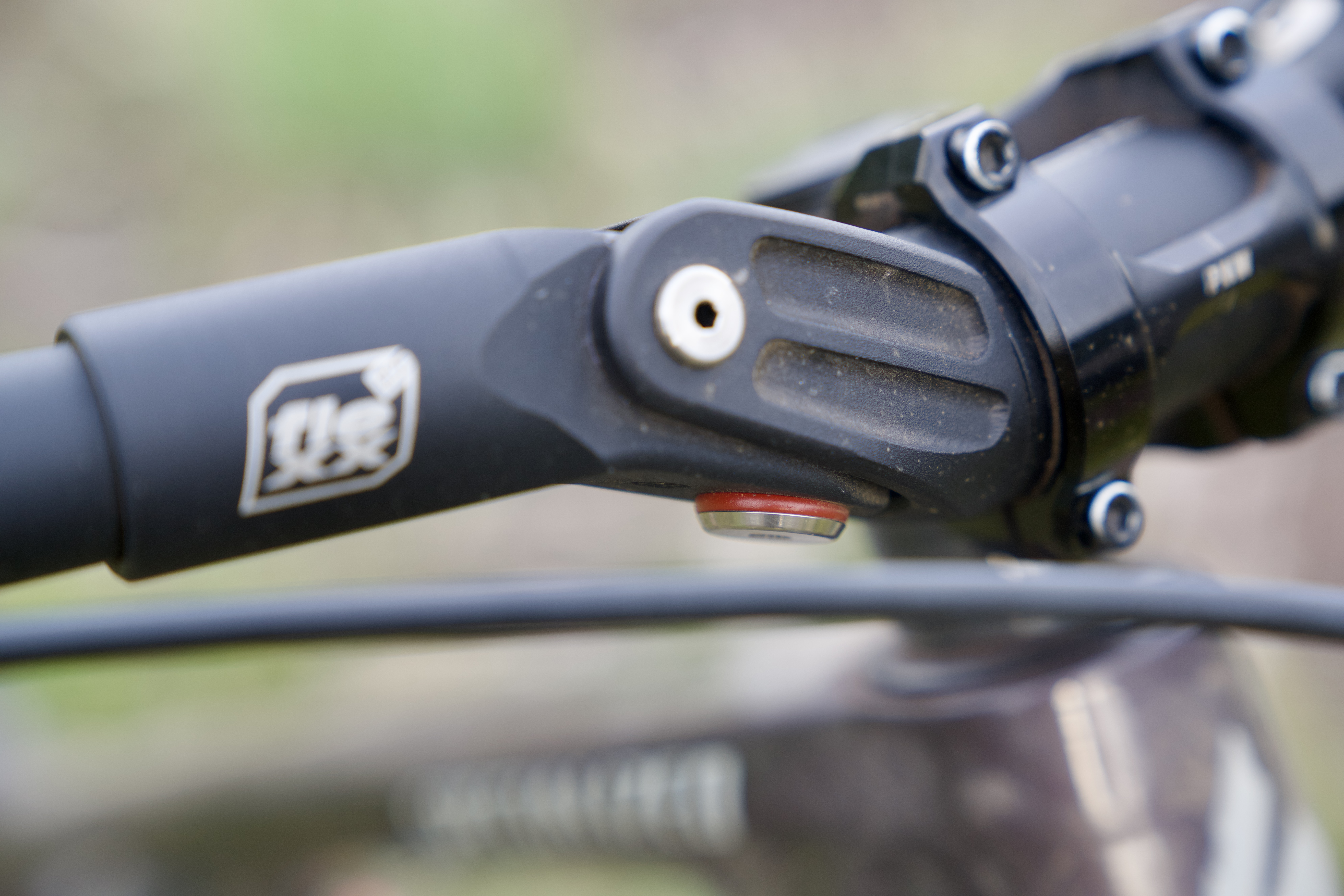
The bars come with different sets of elastomers – soft (blue), medium (yellow), hard (red), and extra-hard (black) – for different riding styles and rider weights. The range goes from XC riding to DH, from 140lb (or less) to 190lb (or more). Fasst says the red elastomers are the most popular, as they are designed for aggressive enduro riding and riders weighing between 150 and 220lb. At 190 lbs, and mainly using the bar for aggressive trail riding and bike park laps, I opted for the red elastomers.
Fasst mentions on its website that a “properly tuned Flexx Handlebar should feel natural while riding, absorbing small bumps, chatter, and other trail terrain that tends to make your hands and upper body more fatigued. Any diving sensation, bottoming out, or ‘that doesn’t feel right’ is an indication your setup is too soft.”
The bars are stout, aluminum, and made in America — Southern Utah, to be more exact. Fasst makes them out of 7075 aluminum and uses titanium hardware at the pivot points. Oh, and did I mention that they are heavy? Fasst puts them at 650g – around twice the weight of something like a OneUp alloy bar.
Setting up the Fasst Flexx bars
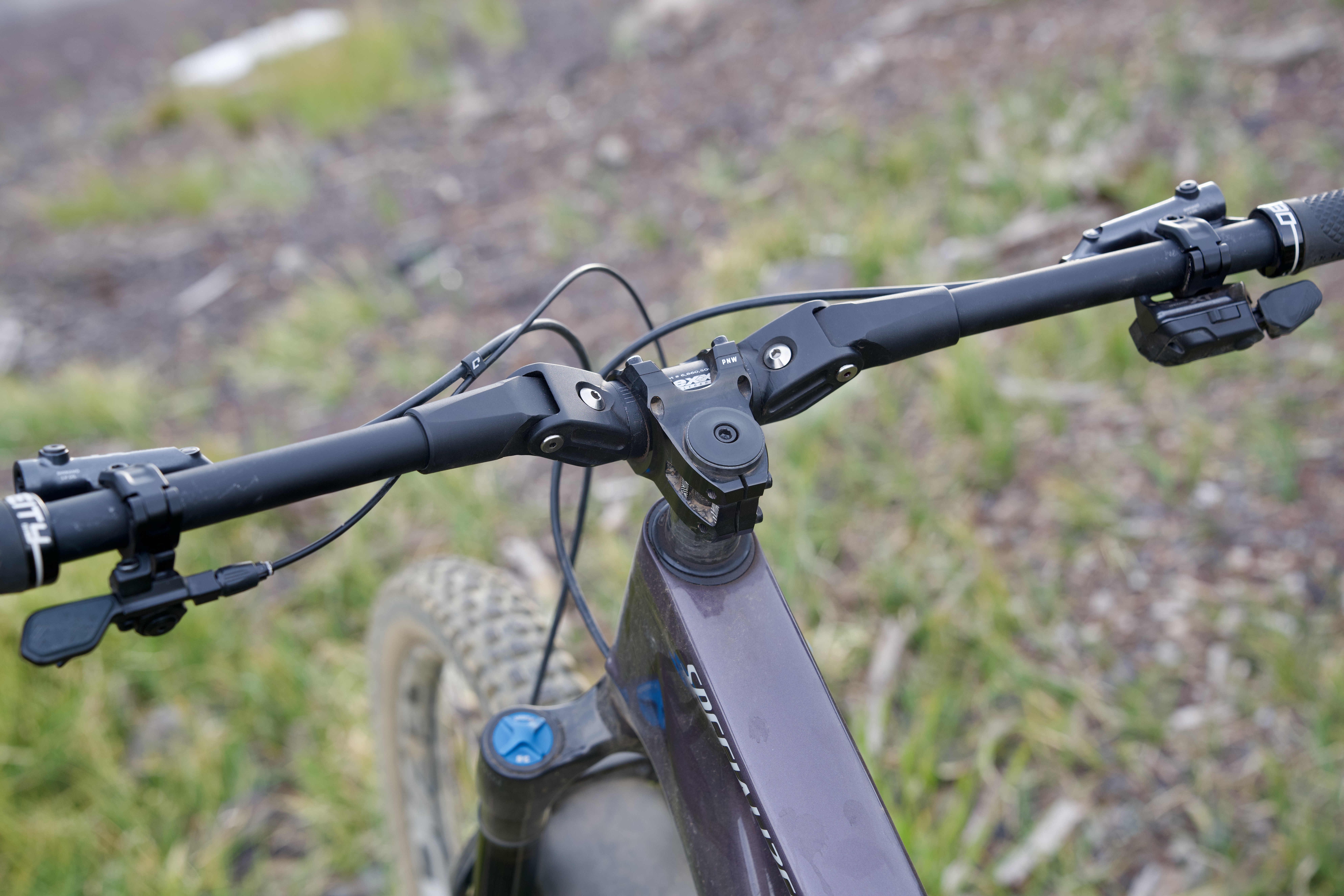
Like most handlebars, the Fasst Flexx bars are 800mm in length, which required a trim to my desired 780mm. Also, the bar came with the red elastomers installed, but switching elastomers isn’t too difficult. In fact, Fasst has a pretty solid FAQ section on its website, along with quite a few how-to videos that make installing and servicing the bars, and switching elastomers, easy.
The trickiest aspect of the bars is making sure they are lined up well with your fork. Again, from Fasst’s website, here is what they recommend:
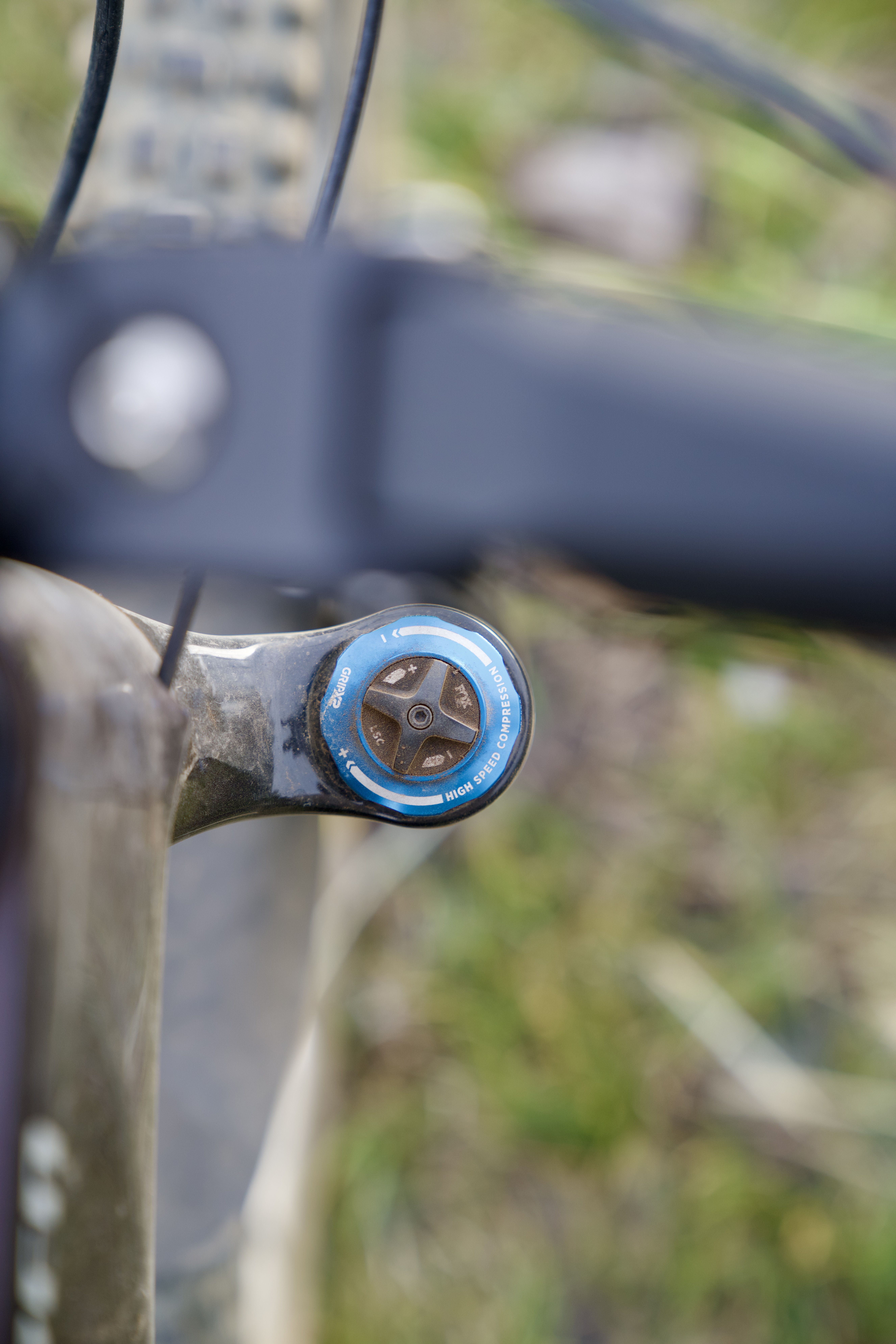
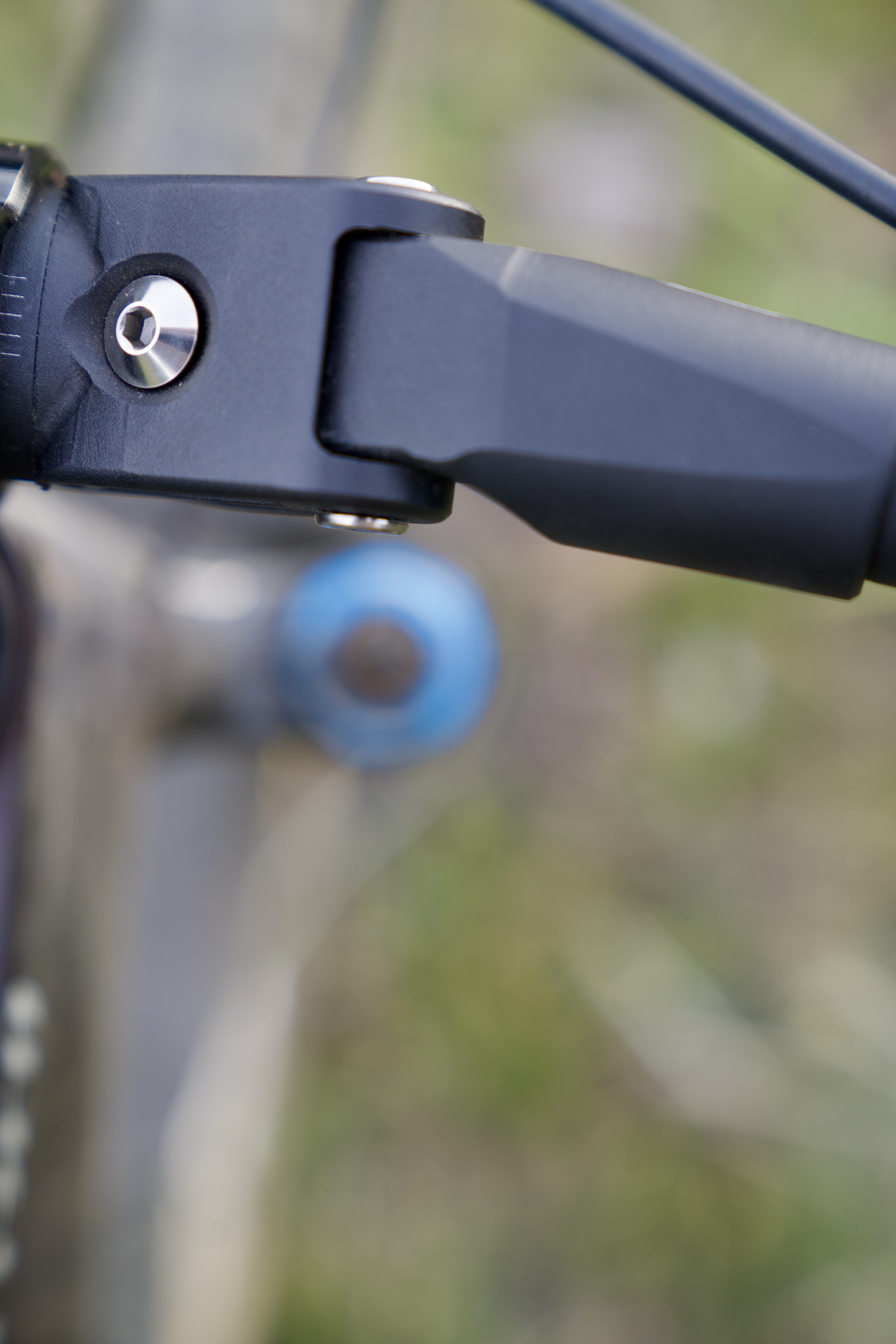
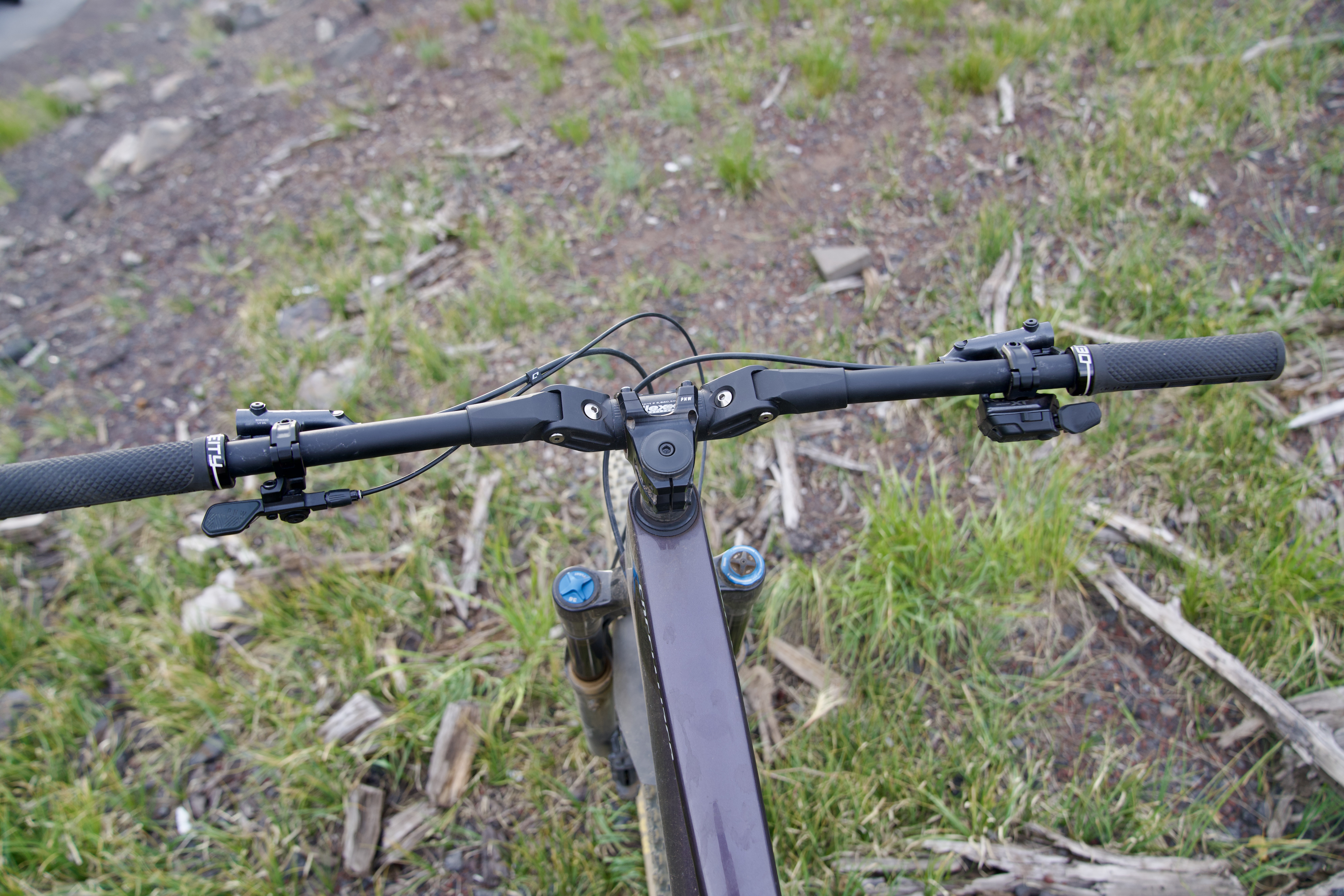
“The bars need to be run parallel to the front fork for the best performance. You’ve obviously got a little bit of wiggle room to roll the bar forward or back, but if you roll the bar drastically, you’re no longer benefiting from the movement built into the Flexx Bar; you’re utilizing material flex. If you roll the bar drastically forward or back to the point where the elastomers aren’t taking any of the load, then you’re flexing the bar “out of phase” and not getting any real benefits of the Flexx Bar at that point. Run the bar as close to the plane of the front suspension (or fork) as possible.”
Especially for your first ride, carry a tool to loosen the stem bolts in case an adjustment is needed. Because I was switching between different bars back-to-back and between bikes, this was especially true. If the Flexx bars are not properly lined up, they do little to absorb chatter and actually hurt my hands. Fasst includes lines showing how many degrees off zero the bars are, but I find that eyeballing it works just fine.
So, do you roll your bars back or forward drastically? These won’t be the bars for you.
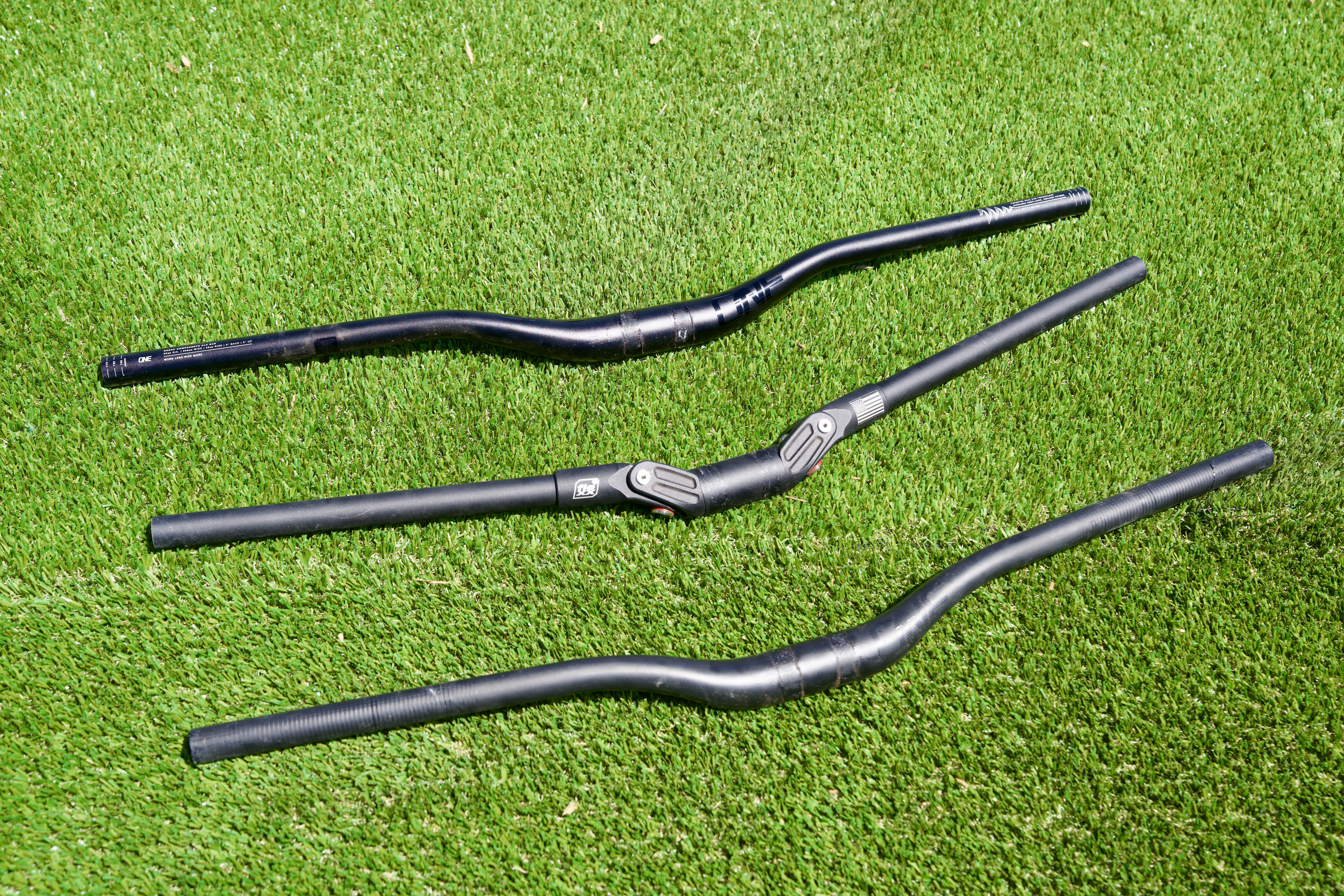
Comparing the Flexx bar to others
At $400, the Fasst Flexx bars are more expensive than most (all?) carbon handlebars on the market — and certainly all alloy bars. So, for the price, these bars need to be pretty effective.
Initially, I was skeptical, but they work well. Once I got them on the same plane as the fork, they absorbed far more trail chatter than any other alloy bars I’ve used. While I think I can feel them flex when I just compress them in the parking lot, that disappears on the trail. There are no weird sensations, lack of control, diving, or anything that inhibits riding.
Now, comparing them to a carbon bar? This is where things get a little more murky.
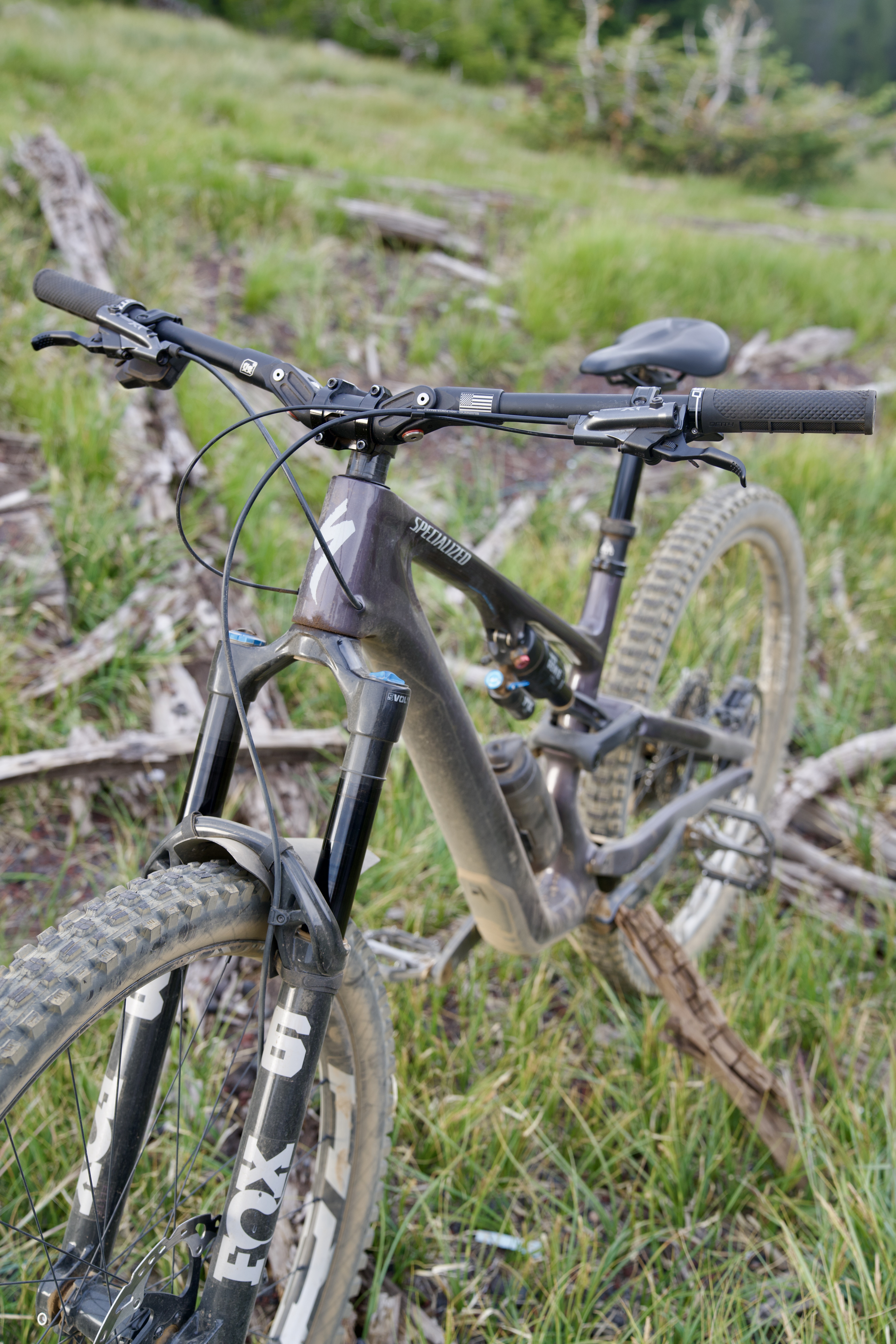
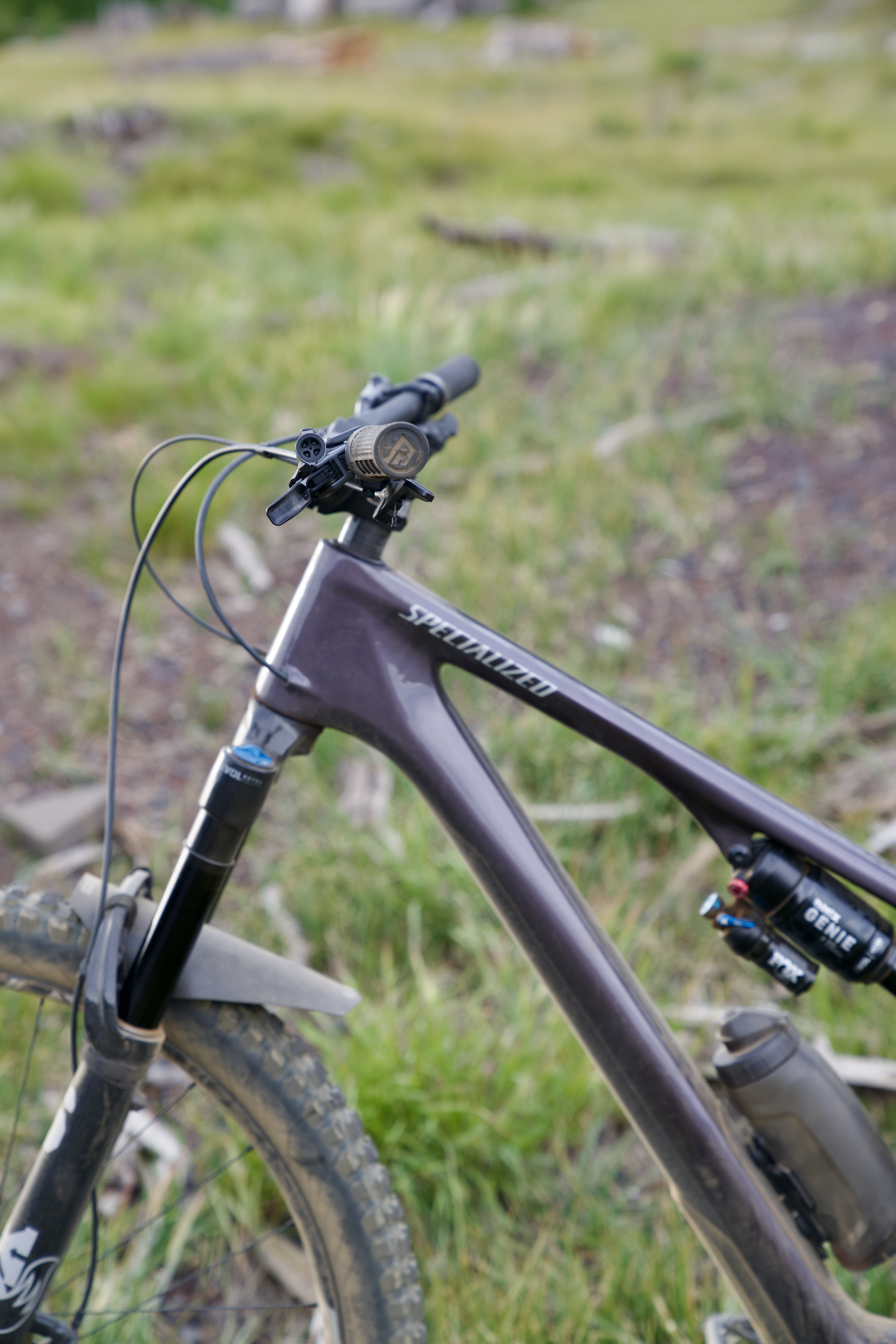
Since I have both the alloy and carbon versions of the OneUp handlebar, I decided to do a bit of back-to-back testing at my local bike park. And since that bike park (Mt. Bachelor) is built on a volcano, even the “flow” trails are notoriously rough. Without a doubt, the Fasst Flexx bar absorbs significantly more trail chatter than the OneUp alloy bar.
In fact, they likely do a better job than OneUp’s carbon offering. In my experience, I can’t find an alloy bar that absorbs chatter and helps with hand fatigue and arm pump as well as a carbon fiber bar. This means that carbon bars are usually my preference.
But the Fasst Flexx is at least on par with popular carbon offerings. The drag? A OneUp carbon bar costs more than $100 less than the Flexx.
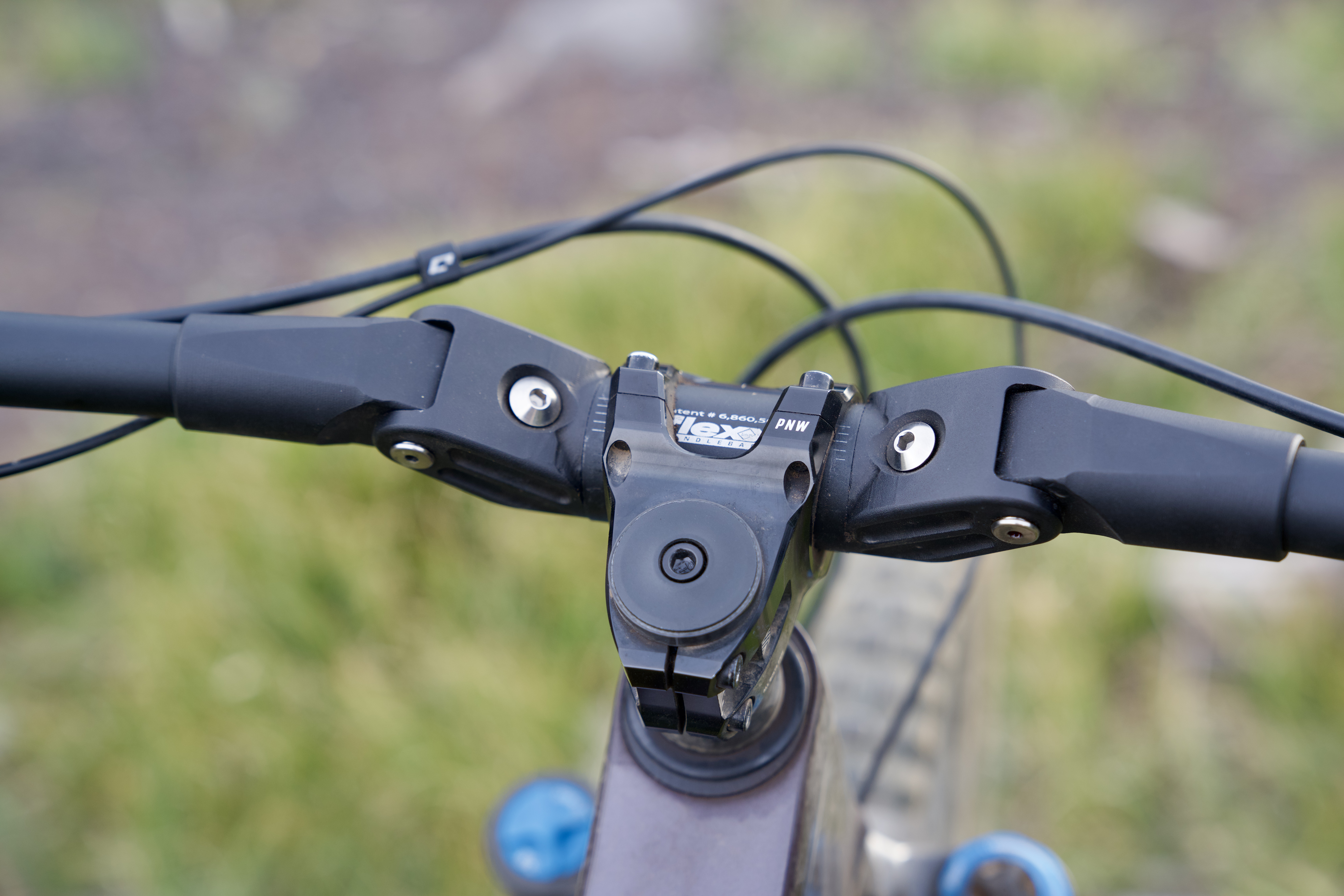
Worth trying
That said, I know quite a few people who don’t like carbon. Especially for bike park riding, I prefer my handlebars, cranks, and wheels to be alloy. I’ve likely seen too many videos of carbon components failing at bike parks.
So if you’re like me, Fasst’s Flexx bar might be a solid option.
I’m also willing to fork out a lot of money for something that keeps me on my bike longer. Many factors produce arm pump and hand fatigue, including suspension setup, grips, and tire pressure. Backsweep also factors into arm and hand fatigue, at least for me. I find that, in general, handlebars with more backsweep are easier on my arms and hands.
Fasst offers two options for the Flexx bars regarding backsweep: 8° and 12°. The Flexx bar I have is 12°, which likely contributes to the comfort over OneUp’s 8° bars. However, I also find the Flexx bar to be more comfortable than the PNW Loam carbon bar I prefer on my trail bike. Those also have more backsweep at 10°.
So, if a different backsweep doesn’t help, you’re still plagued by hand fatigue, and $400 could double or triple your ride time, I think it is worth it.
Fasst also recognizes that the bars are expensive. If the Flexx bar doesn’t work for you, Fasst will take it back within 30 days and issue a refund.
Share your Faast Flexx handlebars review
Pros and cons of Fasst Flexx handlebar
Pros
- Absorbs trail chatter as well as or better than carbon
- Interchangeable elastomers (included)
- Perhaps more confidence-inspiring
- 30-day “Ride it, Believe it!” guarantee
Cons
- Price
- Weight
- Limited ability to roll the bar to your preference
- While “working” on them isn’t complicated, there is obviously more to fuss with than a traditional bar
Bottom line
The Fasst Flexx bar absorbs chatter and keeps your arms and hands feeling better than any other alloy bar I’ve used – especially in the bike park. $400 is a lot, but if these let me ride longer, the price is worth it to me. Plus, there is no harm in trying them with Fasst’s refund policy.
The news stinks. Why not follow Singletracks on Google News to bring more joy to your day?




4 Comments
Jul 21, 2026
Jul 25, 2026
Jul 25, 2026
Jul 31, 2026