
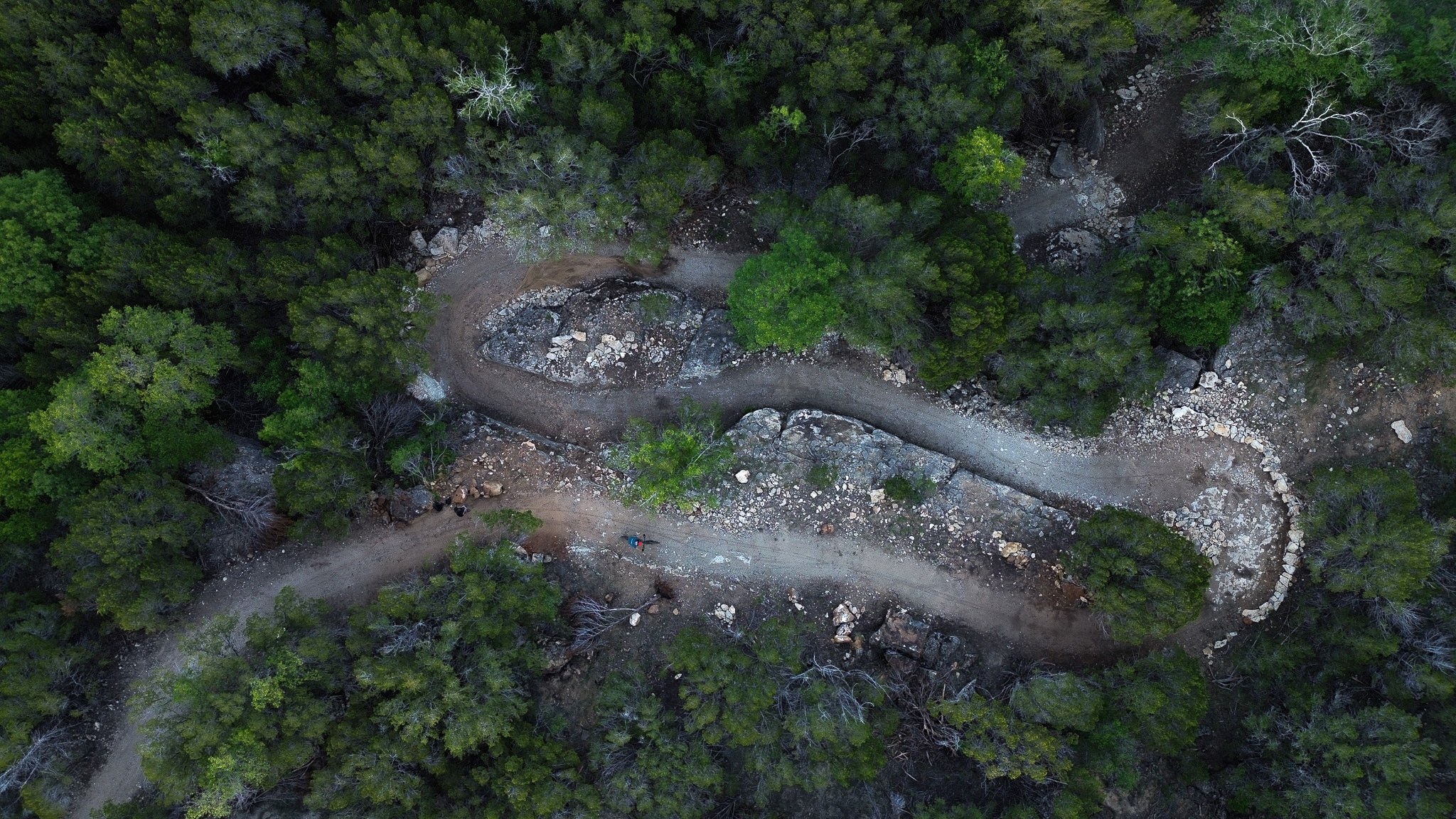
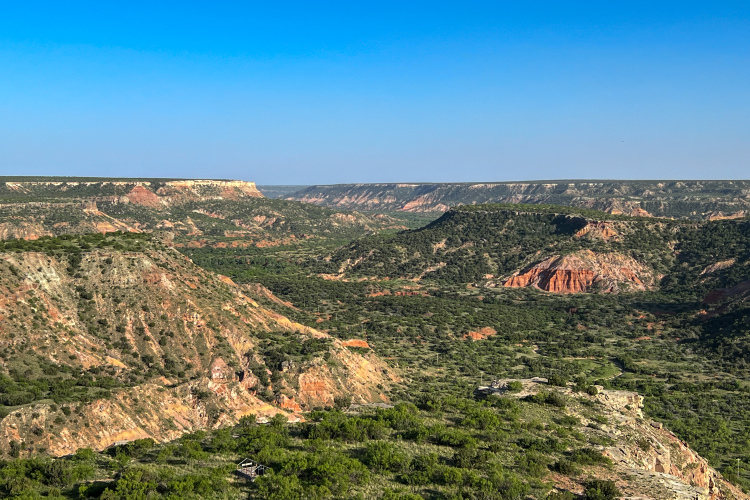
Palo Pinto Mountains State Park has been “coming soon” for almost 20 years. While we know that most mountain bike trail projects take years to come to fruition, creating an entirely new state park unit from scratch — much less one that measures some 4,871 acres — is a massive undertaking on an entirely different scale. And yet, Texas has done it, with the state’s 90th state park set to open to the public any day now. This will be the first new state park to open since 2012, and in this region of North Texas, it’s the first in over 25 years.
To find out exactly what it takes to build an all-new state park, I spoke with James Adams, Park Superintendent for Palo Pinto Mountains State Park, and Adam Munich, Digital Marketing Coordinator for Rock Solid Trail Contracting.
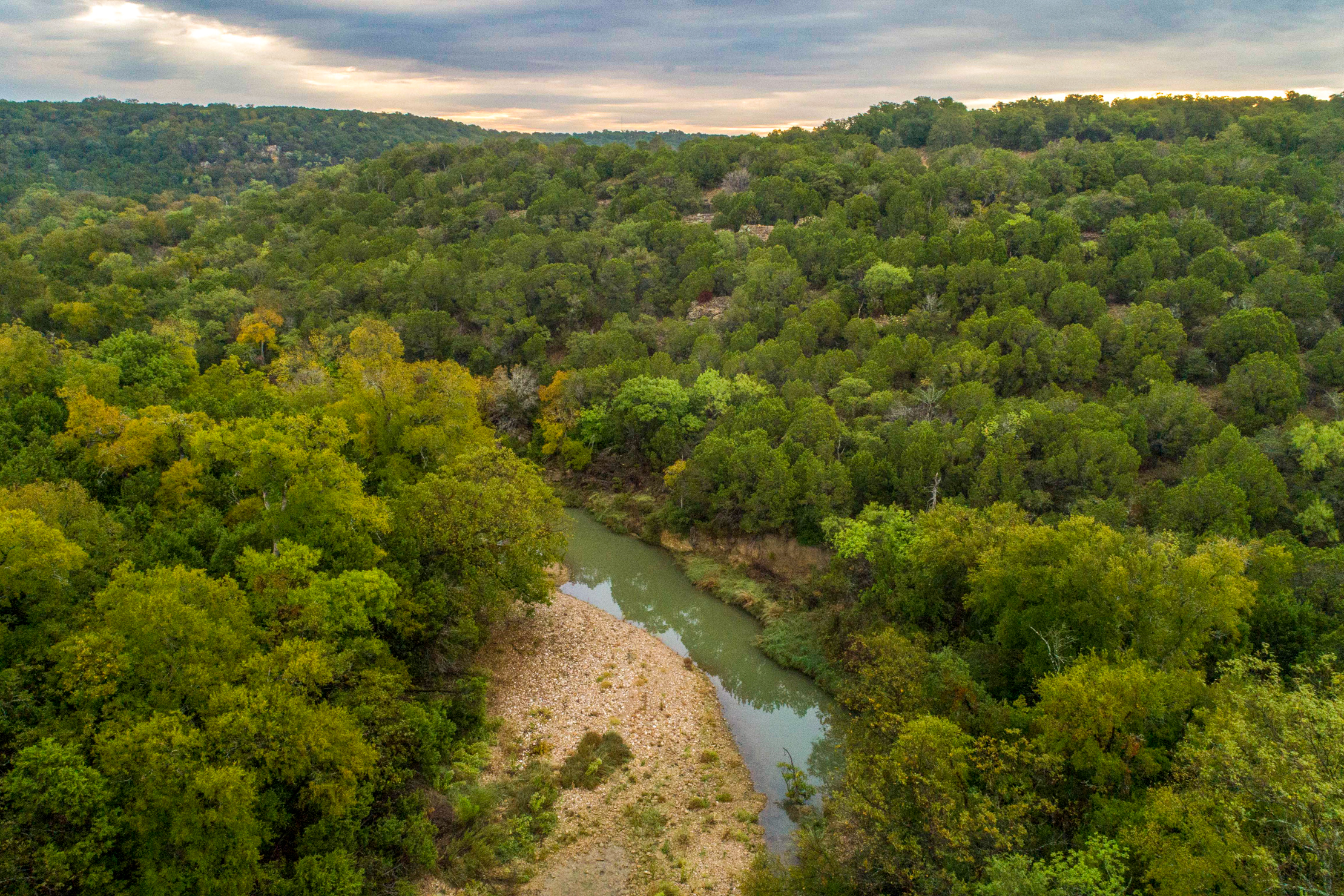
Texas is home to one of the most impressive state park systems in the country
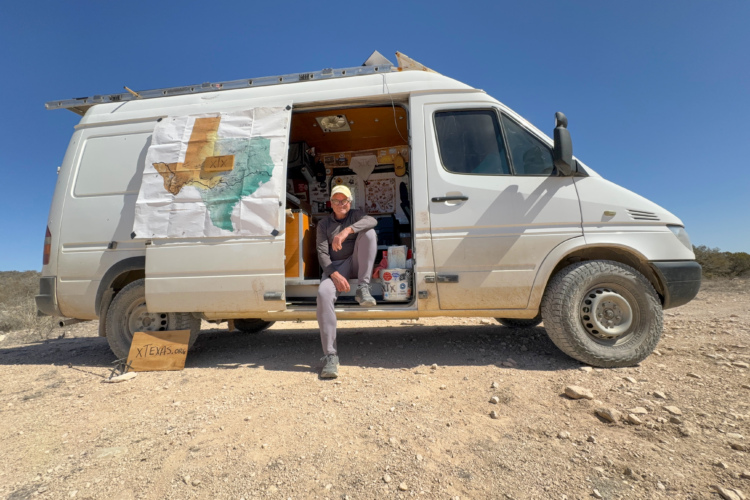
In a massive state that’s almost entirely privately owned and largely bereft of federal land, the one bright spot for public recreation is the Texas State Parks system — technically part of the Texas Parks and Wildlife Department (TPWD). In late 2021, when I was still living in a van full-time, I spent a little over a month traveling through Texas, camping and riding almost exclusively in state parks. Despite that extended period of time beginning in North Texas, traveling south through Austin as far as the Mexican border in Big Bend, and looping up through El Paso, I didn’t nearly scratch the surface of the singletrack available in Texas state parks.
In fact, many of the best mountain bike trails in the state are found in the state park system. In our top five trails in Texas roundup, two of the five were state parks, and another made the runner-up list.
While I’ve written about the expansion of the Arkansas State Parks system, many states — like California — have struggled for years to fund their state park system. So seeing Texas invest $30 million in a brand-new park is truly inspiring.
What does it take to make a new state park?
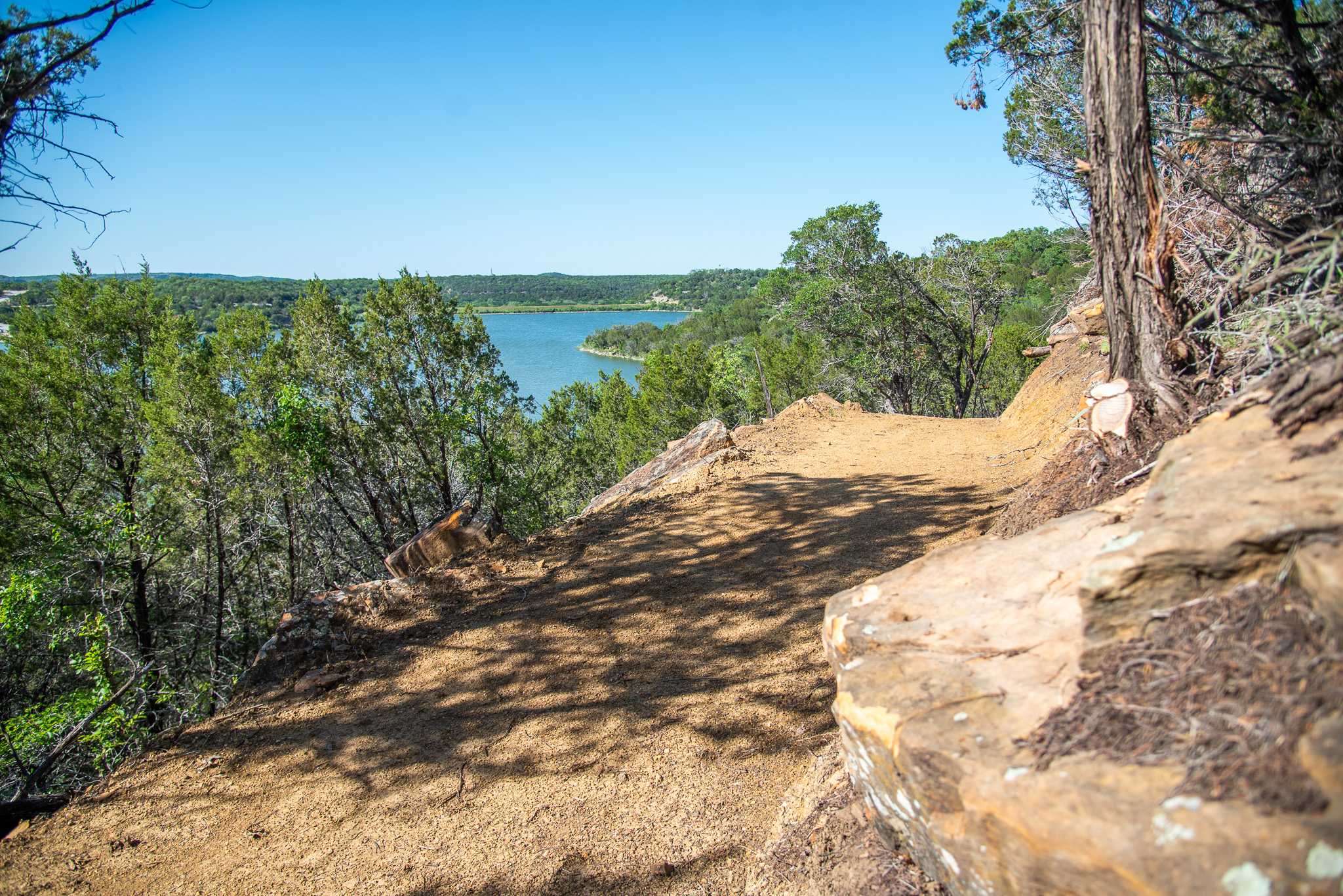
The process began with a land sale in 2006 in which TPWD sold 400 acres on Eagle Mountain Lake in the Dallas-Fort Worth (DFW) Metroplex. This money was used to fund the first land acquisition for Palo Pinto Mountains near the city of Strawn, TX in 2011. Even though TPWD sold the land to the local water district, those 400 acres were also turned into a park, making it a win-win land transfer.
The first 3,300 acres for Palo Pinto were purchased from a local ranching family, with another parcel purchased from a qualified settlement fund from a lawsuit, including a 42-acre inholding. Over time, TPWD acquired other contiguous tracts of land, and the city of Strawn (about an hour and a half west of downtown Fort Worth) donated about 100 acres surrounding the lake and leased the land under the lake to the state park for a 99-year term.
Once the land was acquired, the multi-year design process began. The park’s designers received substantial public input via stakeholder meetings, and they carefully incorporated as much of that feedback as possible into the final design.
Of course, budgetary constraints played a role in Palo Pinto’s evolution. For example, amenities such as rental cabins and group buildings were included in the original plan, but when the target budget was cut from $34.5 million to roughly $30 million, they were removed.
The build: from roads and campgrounds to multi-use trails
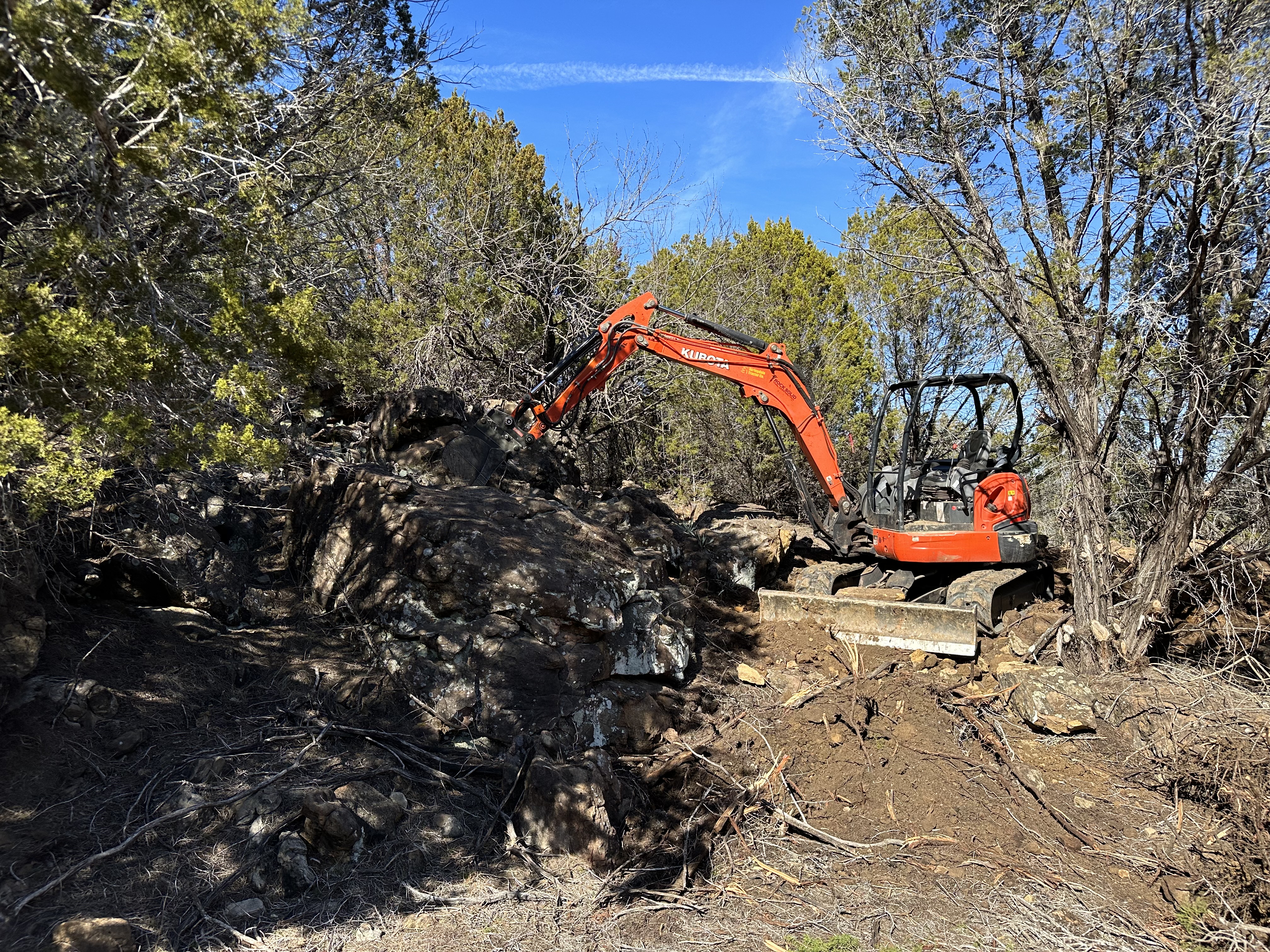
After years of planning, construction began in 2021. “This was just raw land,” said Adams, explaining that their first priority was creating infrastructure for the future state park, which included building roads and running utilities like water, sewer, and electricity.
After installing the basic infrastructure, TPWD worked simultaneously on building additional roads, the trail system, buildings, and campgrounds. Rock Solid Trail Contracting got involved and built the almost 16-mile trail system in the winter of 2023-2024.
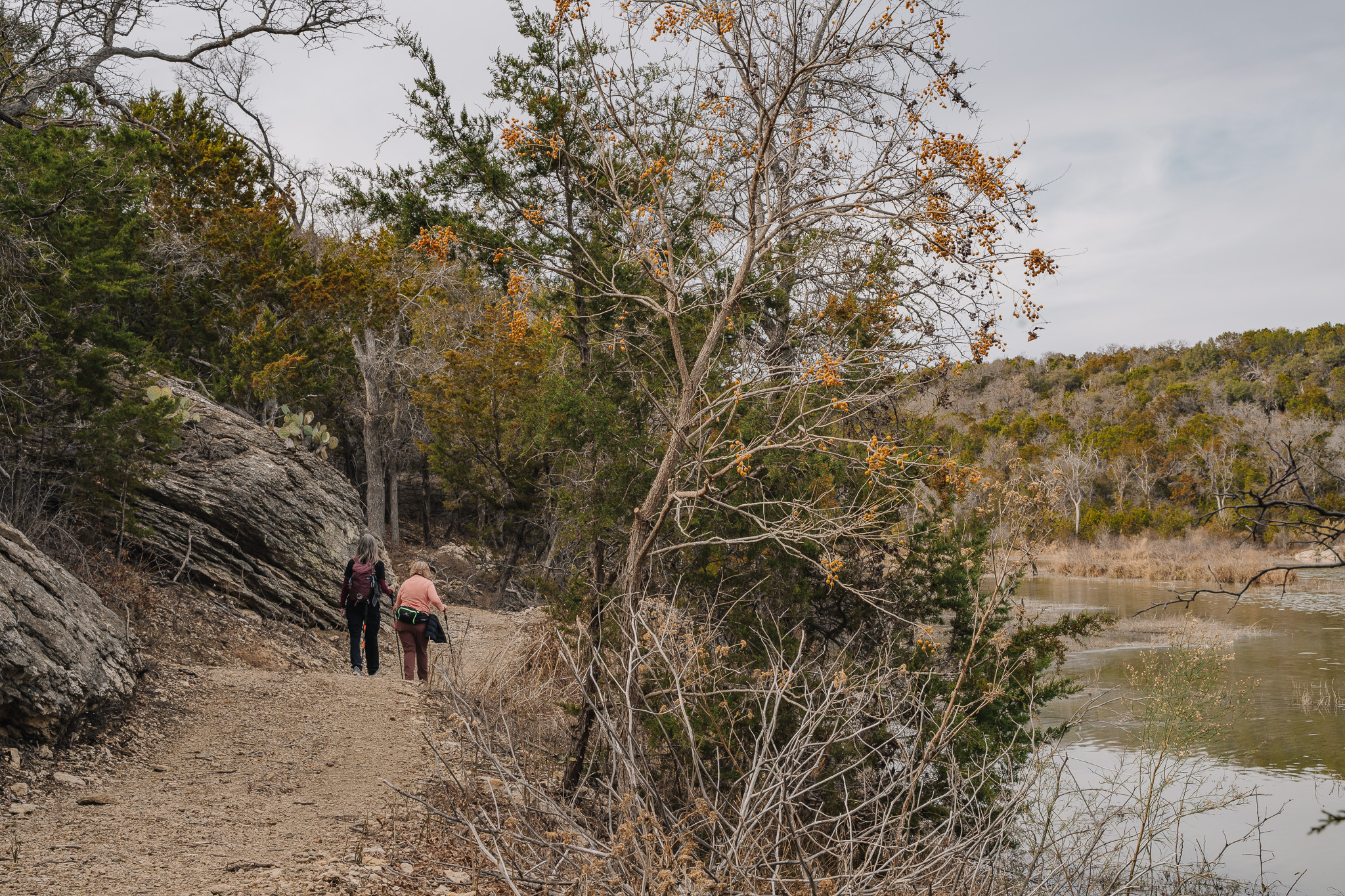
Multi-use trails are a critical component of the Palo Pinto park plan
“I think that multi-use trails are the best bang for the buck, right?” said Adams. “There are some trails that are better for hiking and some that are better for horses, and some that are better for gravel bikes, or even some that are better for mountain bikes. But the general idea is to not restrict access to trails any more than we have to.”
This multi-use ethos guided Rock Solid’s work, and Munich was quick to note that “it’s not a mountain bike first project. Mountain bikes can use it,” he continued, saying that most of the trail users that he saw on a special New Year’s Day trail preview were “were hikers or families, people in wheelchairs — not adaptive bikes, but just wheelchairs.”
Rock Solid built two different types of trails in the park: natural-surface trails and surfaced, ADA-accessible trails. The surfaced trails measure four feet wide and utilize StaLok to harden the surface: a natural aggregate soil enhanced with polymer technology. StaLok is used widely across many TPWD parks.
The longest loops in the network are natural-surface trails, but they’re designed to accommodate all trail users. To reduce user conflict, the trails were built to be 4-6 feet wide throughout, so “hikers can walk three to four abreast, so you can have families having conversations walking down the trail,” said Munich. “It’s also going to be really great for equestrian users, to allow everyone to have their own lane.”
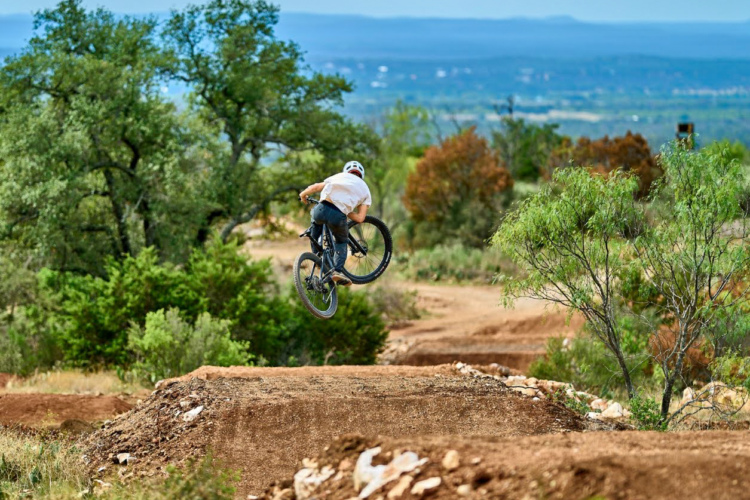
Despite being so wide, the natural-surface trails still ride like modern mountain bike trails, with rolling contours, rock armoring, and grade reversals. “It’s a bit wider than your traditional singletrack trail, but it’s still built by mountain bikers with a mountain bike trail vision,” Munich added. “It’s a really fun racetrack on an e-bike, and it’s cool that mountain bikers, hikers, equestrians, all these different users can use the same trail.”
Safety concerns informed this rather wide trail design, with Adams saying that they wanted to be able to easily evacuate injured trail users. “It’s sort of the nature of the beast. People get on trails, and they get hurt, you know?” said Adams. “And we want to be able to get to them when that happens, or at least get close to them. So we really like to have trails wide enough to get a side-by-side down. That’s not always the case, you know. It’s certainly not the case here, where all of them are accessible. But the more of them we can get access to, to get close to folks when they get hurt, the better.”
Adams mentioned that some of the trails are, in fact, narrow singletrack and are inaccessible with a side-by-side. He estimated that there’s about one mile of narrow singletrack in the park. “If somebody gets hurt, it’s going to be carrying a stretcher or something.”
What other amenities will Palo Pinto Mountains State Park offer?
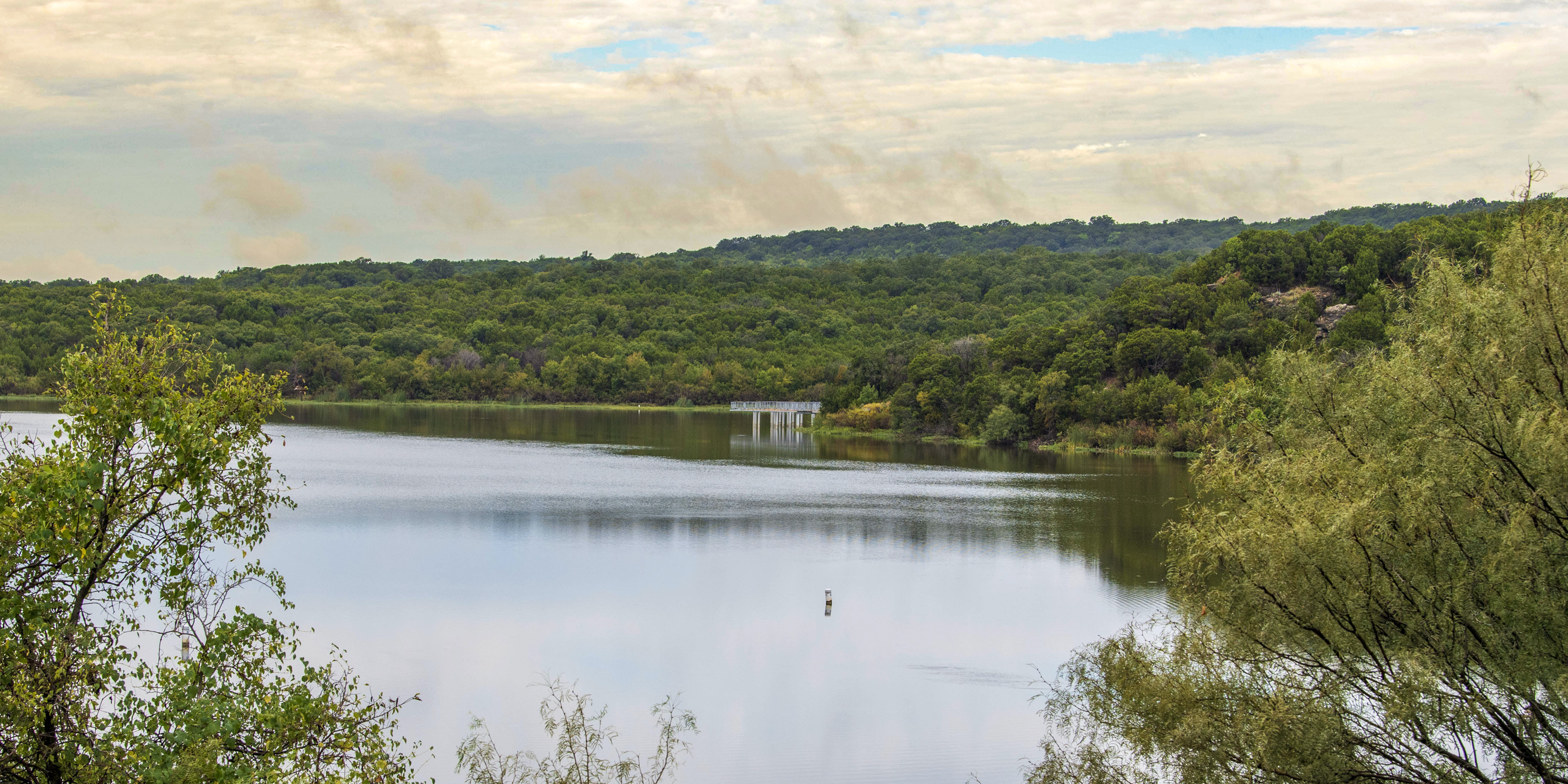
In addition to the trail development, Palo Pinto will offer a diverse array of recreation opportunities and infrastructure. The park will feature 60 campsites spanning multiple styles: 10 equestrian sites with water, electricity, and horse stalls for riders traveling with their animals; 25 standard water and electric RV sites; 12 walk-in sites with picnic tables and fire rings for a more primitive experience; and 13 backcountry sites accessed via a two-mile trek with zero amenities — strictly pack-in, pack-out.
On the lake, visitors will find a large fishing pier and canoe launch. Day-use areas scattered throughout the park will offer picnic tables, shade shelters, and a pavilion for gatherings.
When can riders visit Palo Pinto?
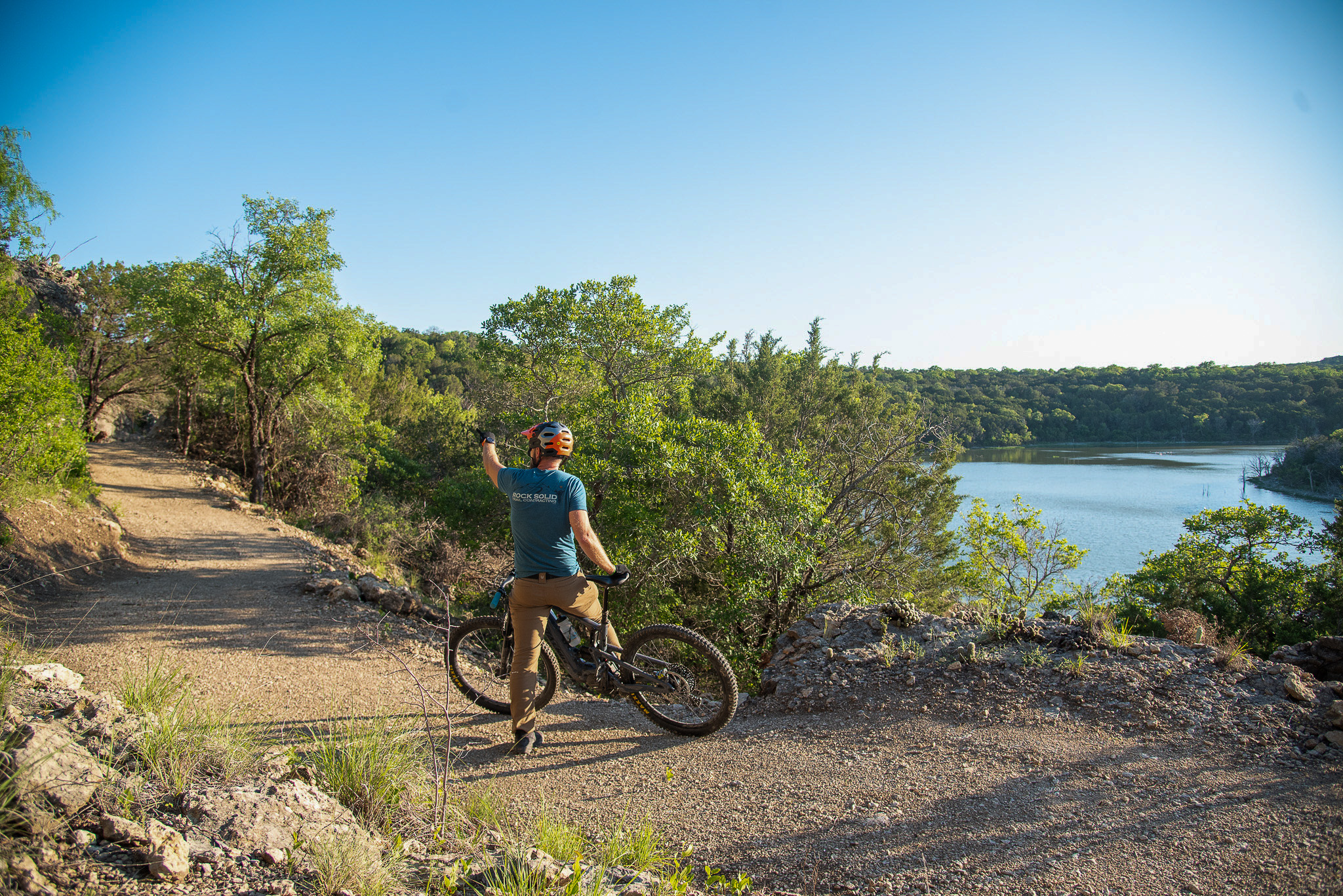
The trail preview day on January 1, 2026, was the first time the public had access to the new state park. This preview was described as the “first official sneak peek” of the nearly-completed park, and final construction is wrapping up in early 2026.
While an official opening date has not yet been announced, “We are very close,” said Adams. “We will probably very soon be making some announcements. […] We’re very, very close to making a lot of people very happy.”
The news stinks. Why not follow Singletracks on Google News to bring more joy to your day?



0 Comments