

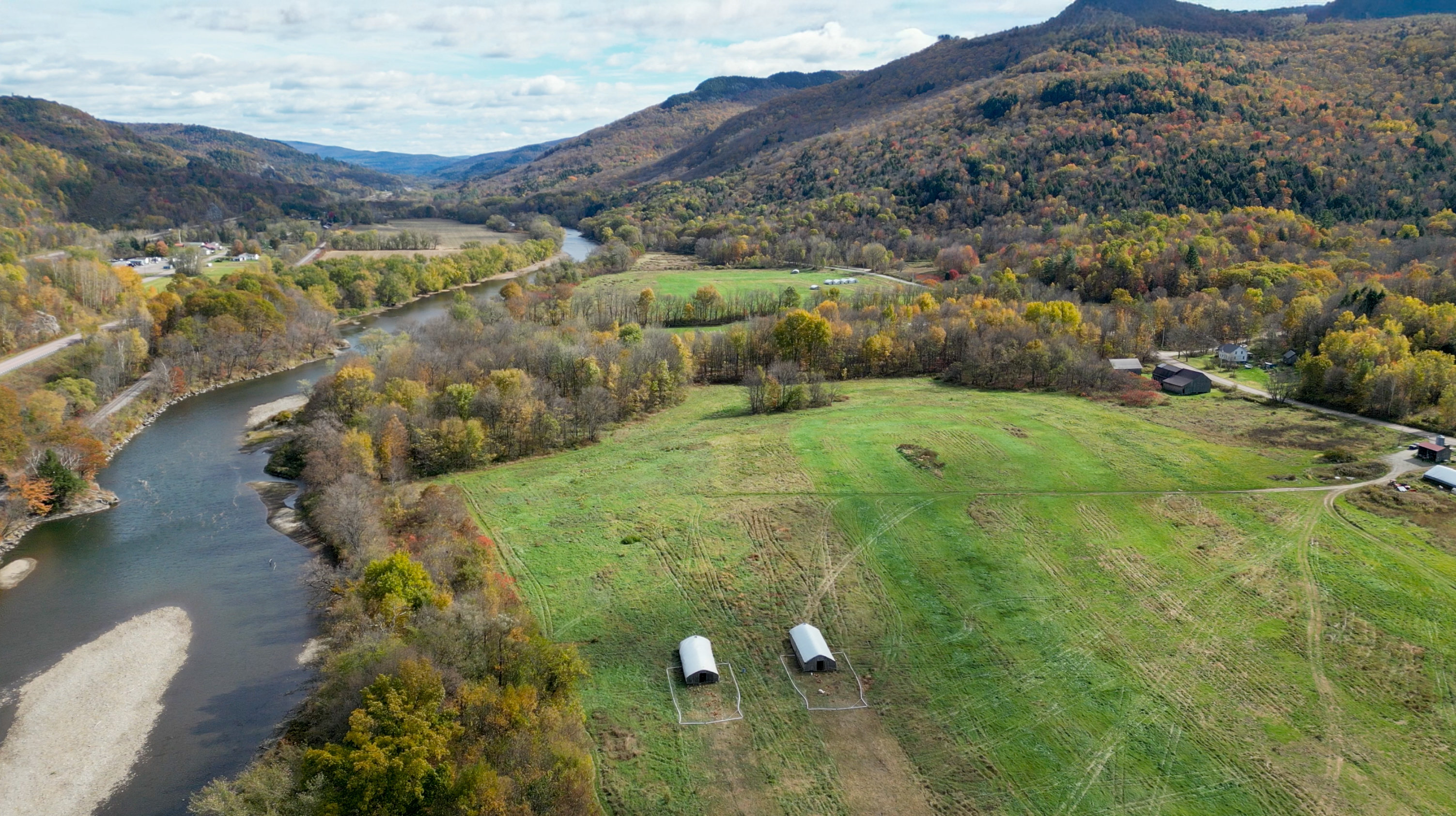
All across the country, mountain bikers are turning to private land in an effort to get trails built. This has only become a nationwide trend in the last few years, but the true pioneer of this strategy is the tiny northeastern state of Vermont.
“If you look at the maps, it’s not like out West, where you have a massive hundreds or thousands of acres [of Forest Service land] in a single block,” said Nick Bennette, Executive Director for the Vermont Mountain Bike Association (VMBA). Vermont mountain bikers have taken this challenging reality and turned it into an opportunity. They’ve successfully built many hundreds of miles of the best purpose-built singletrack in the country on tracts of land held by private landowners.
One of the first major modern mountain bike trail systems in the state was the Kingdom Trails, and to this day, the Kingdom is a massive draw for mountain bikers across the eastern USA and Canada. And almost all of the trails were built on private land.
“Kingdom Trails is pretty unique in that most of our 100-plus miles of trails are on private land, and so we have over 100 landowners that have agreed to let these trails go through their land with really no benefit. […] We don’t compensate them in any way,” said Georgia Gould, Interim Executive Director for the Kingdom Trails Association (KTA).
But it hasn’t all been sunshine and daisies for the KTA. In 2019, we reported that several landowners had cut off access to a critical chunk of the Kingdom Trails network. It’s clear that working with private landowners isn’t a panacea, even in a state that’s as progressive as Vermont.
I recently spoke with a Vermont farmer near the town of Richmond who just opened his land for new MTB trail development, and he had some concrete tips to share with other landowners considering opening their land to public recreation.
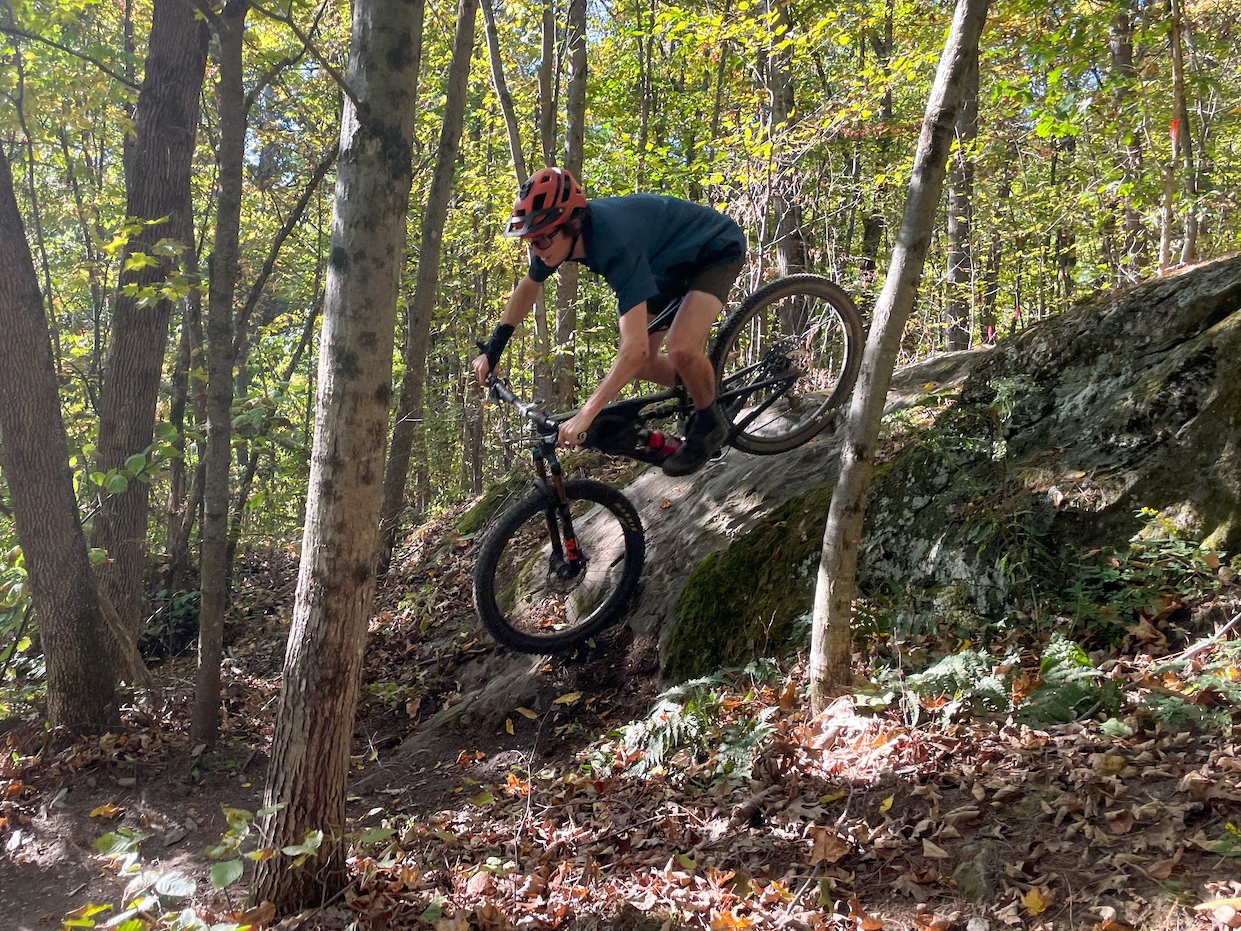
Important advice for landowners opening their land to mountain bikers
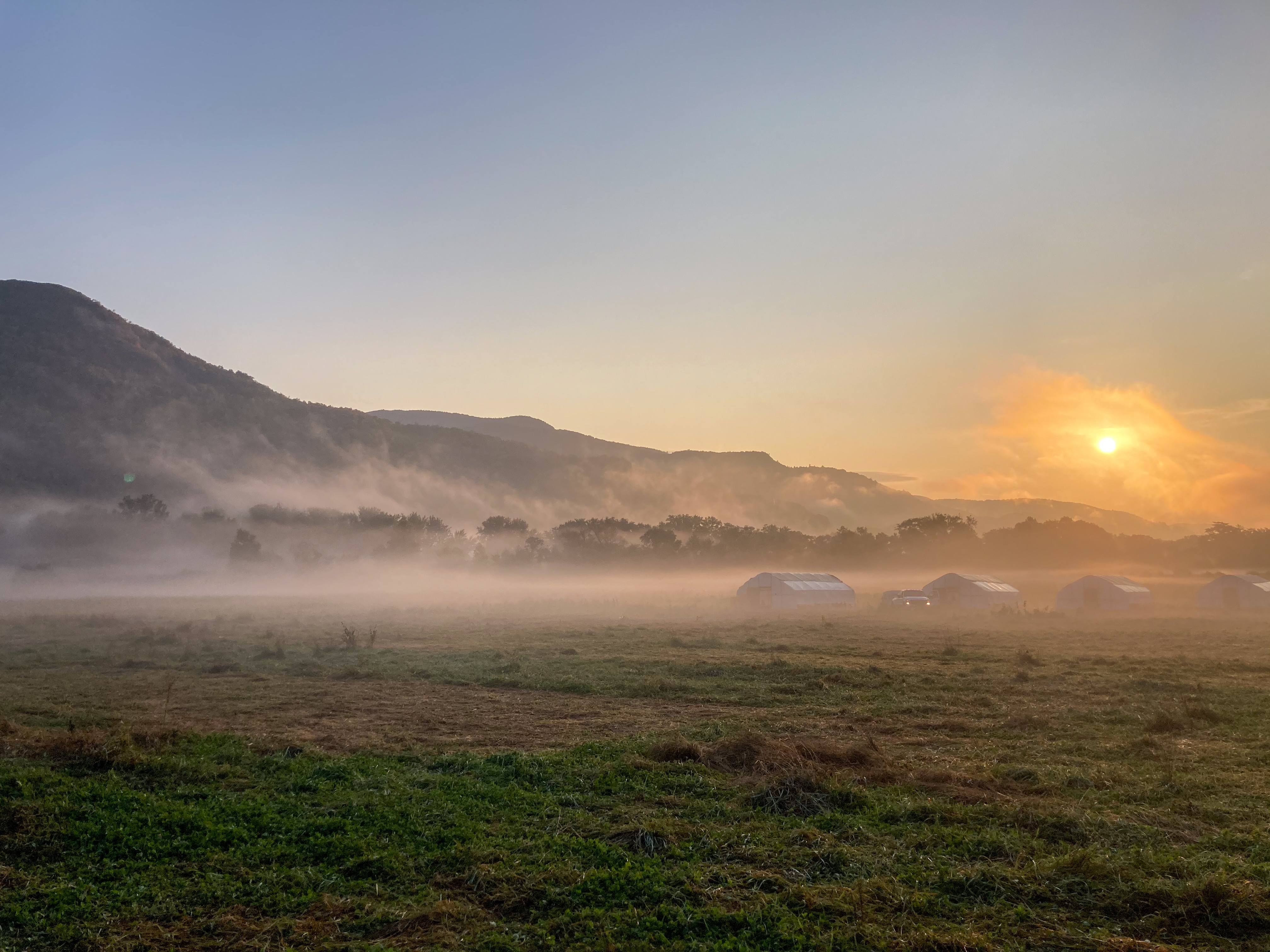
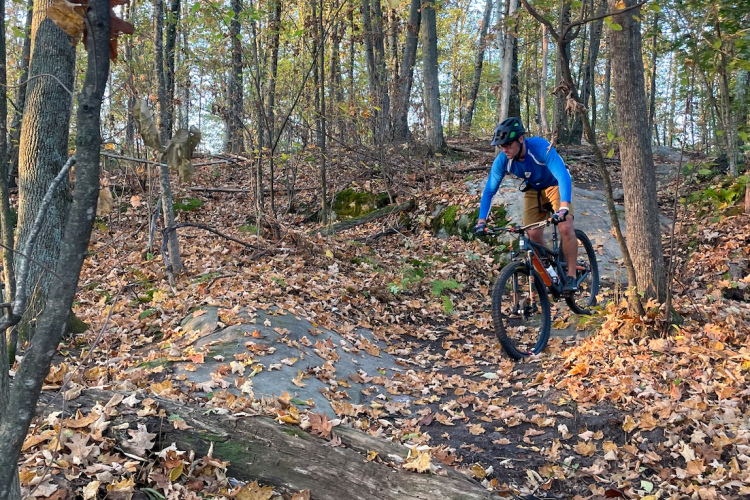
Bruce Hennessey and his wife, Beth Whiting, recently chose to open part of their 250-acre farm for new trail development in collaboration with Richmond Mountain Trails. Maple Wind Farm is a regenerative pasture-based poultry and livestock farm that’s focused on sustainable agriculture.
When asked about their motivation for opening the farm to recreation, Hennessey said, “I’m a firm believer that getting out into the landscape in a sustainable way is one way to garner support for that kind of stewardship. And so that’s a big piece of it. We want people to enjoy the land as much as possible, and care enough about it to protect it.”
In addition to farming, Hennessey has also been a longtime skier and mountaineer who used to guide in the Tetons. While he first learned to mountain bike in the 90s, Hennessey took many years off to raise kids and start farming. But recently, after a knee replacement surgery a few years ago, he bought himself an e-bike and got back into mountain biking.
During our conversation, Hennessey shared some great tips for other landowners who might be interested in opening their land to public recreation.
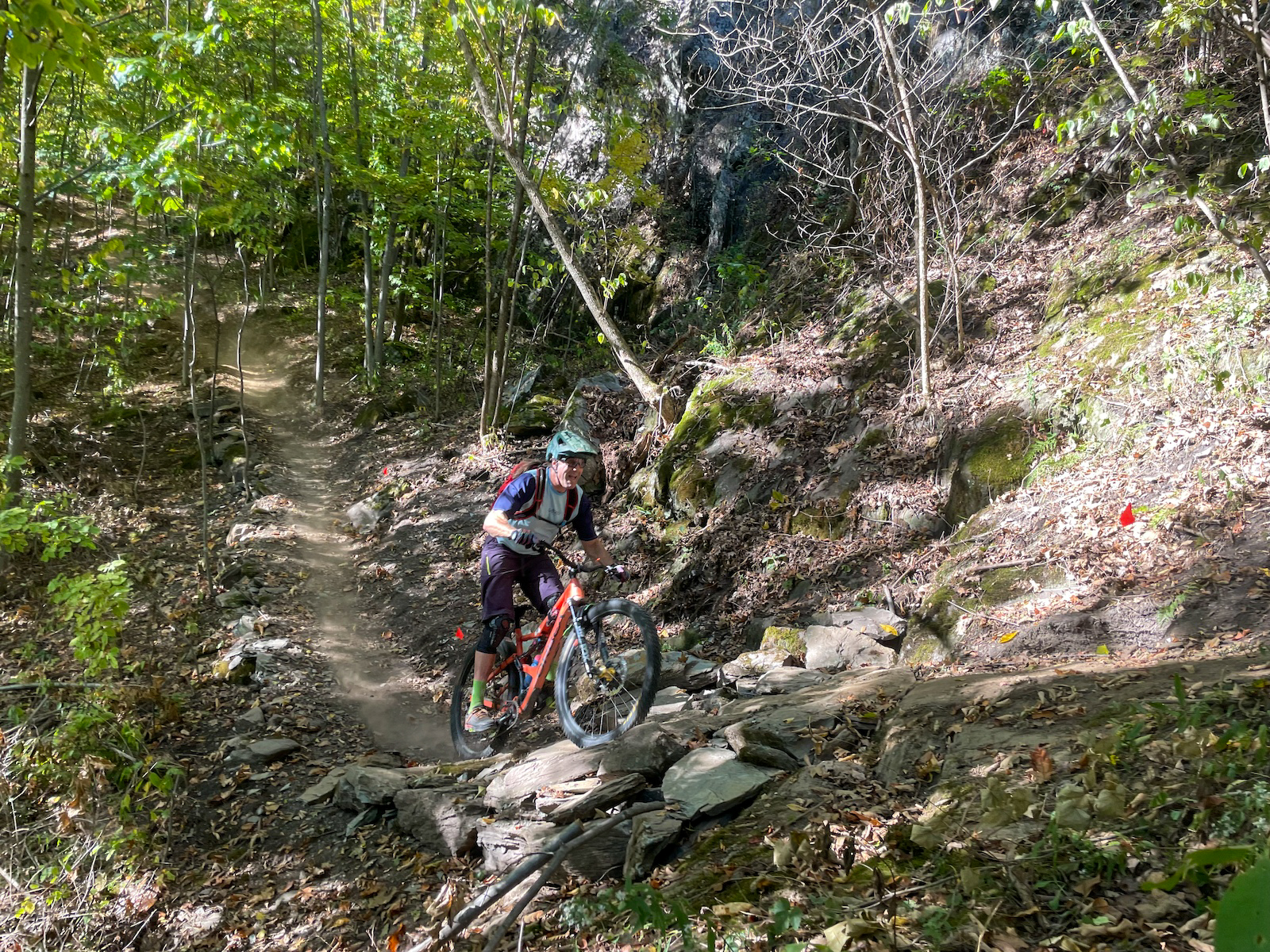
Landowners need to be comfortable interfacing with the public
First and foremost, Hennessey noted that landowners need to be comfortable with and interested in interfacing with the public. “I have a lot of farmer friends that would just rather have their hands in the dirt, and they’d rather not talk to people,” he said. “Generally, they’re introverted. Their focus is on the land and what they’re raising. And, you know, they sell into wholesale markets, and they’re just as happy to load up a truck full of stuff that somebody else is going to sell. We love having people here [and] some farmers don’t, so you have to be that kind of person.”
Maple Wind Farm had already been very public-facing even before the mountain bike trail development. The farm features a bustling storefront, and the new trail parking lot is right in front of it. Maple Wind has also long held public events, like fried chicken dinners.
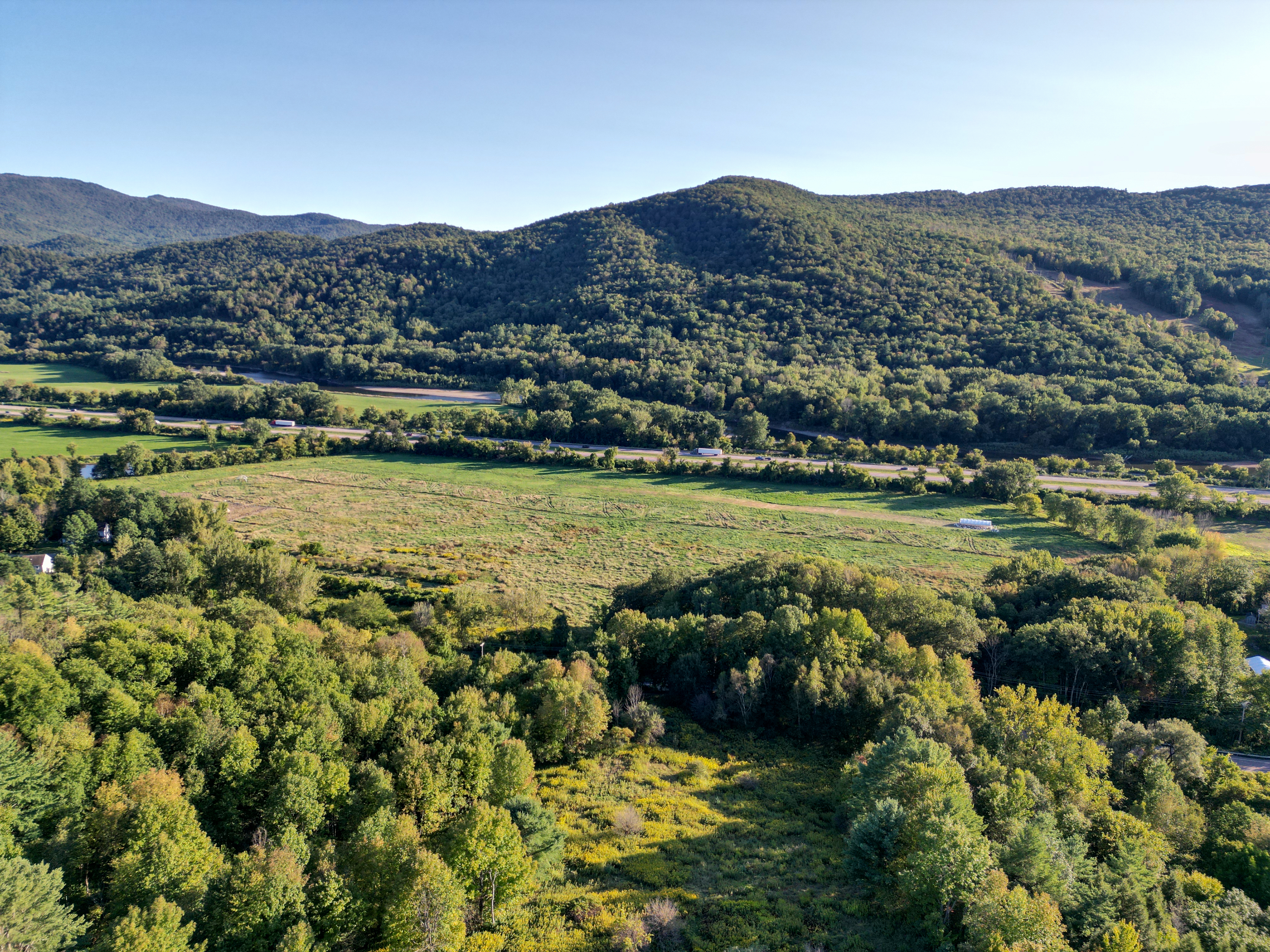
Once the land is opened, it’s essentially open to anyone
While some landowners want every person to ask permission to cross their land, Hennessey said that once you build trails on your property, you have to realize it’s essentially open to anyone. “You can close it, of course, but generally, anybody who wants to use it is invited to use it, and that means that there is no permission asked or anything like that.”
While Hennessey doesn’t think the current 2.5 miles of trails at Maple Wind Farm (with more planned) will ever attract all that many riders at once, he does realize that there are often people up in the woods behind his house who he doesn’t know — and he’s okay with that.
View yourself as a steward, rather than ‘lord’ of the property
“We don’t think of ourselves as the lords of the property,” said Hennessey. “We’re just here to steward it until we’re done, and then somebody else can. So sharing it is part of our ethic. Being really comfortable with that, I think, is key.”
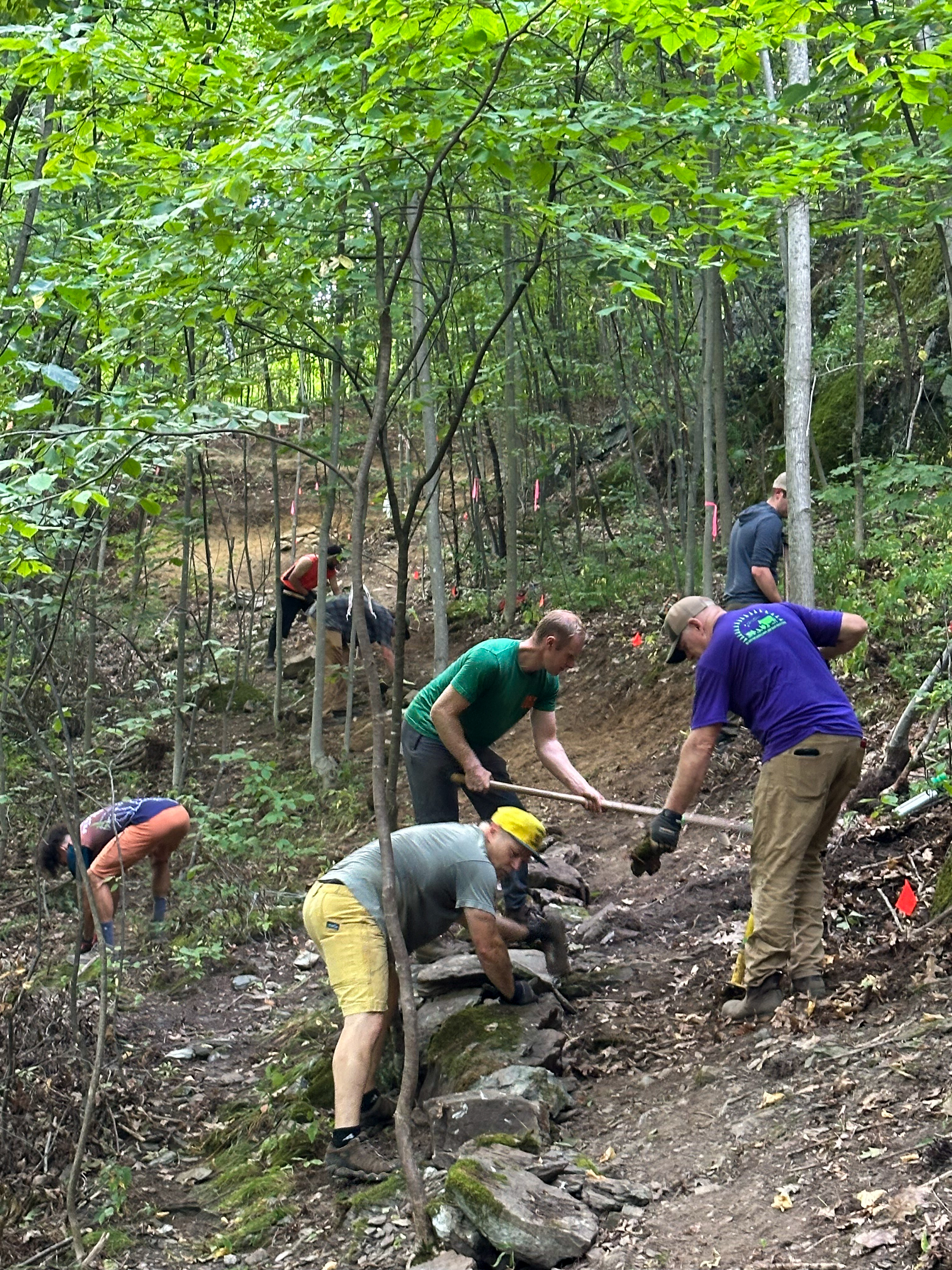
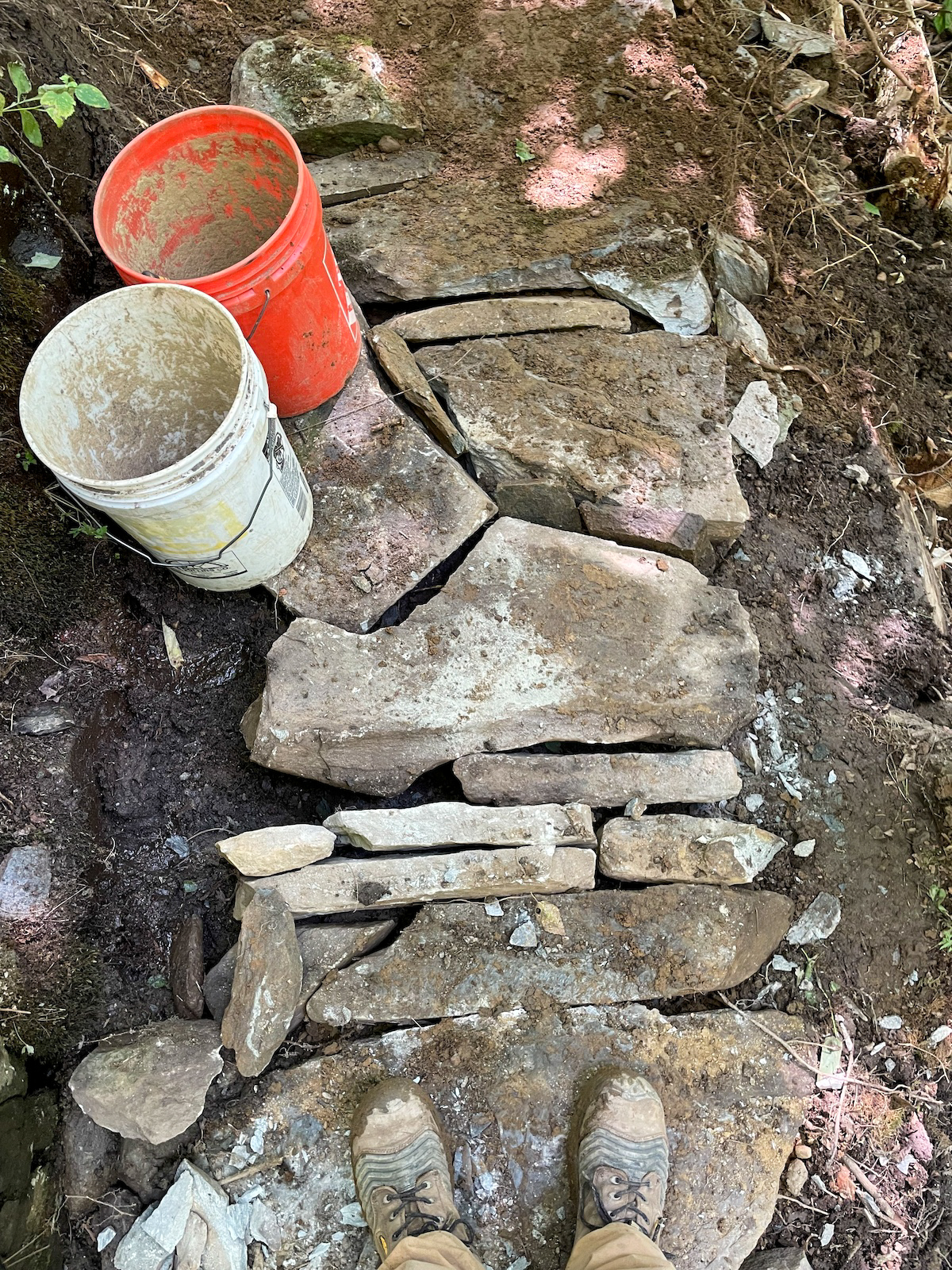
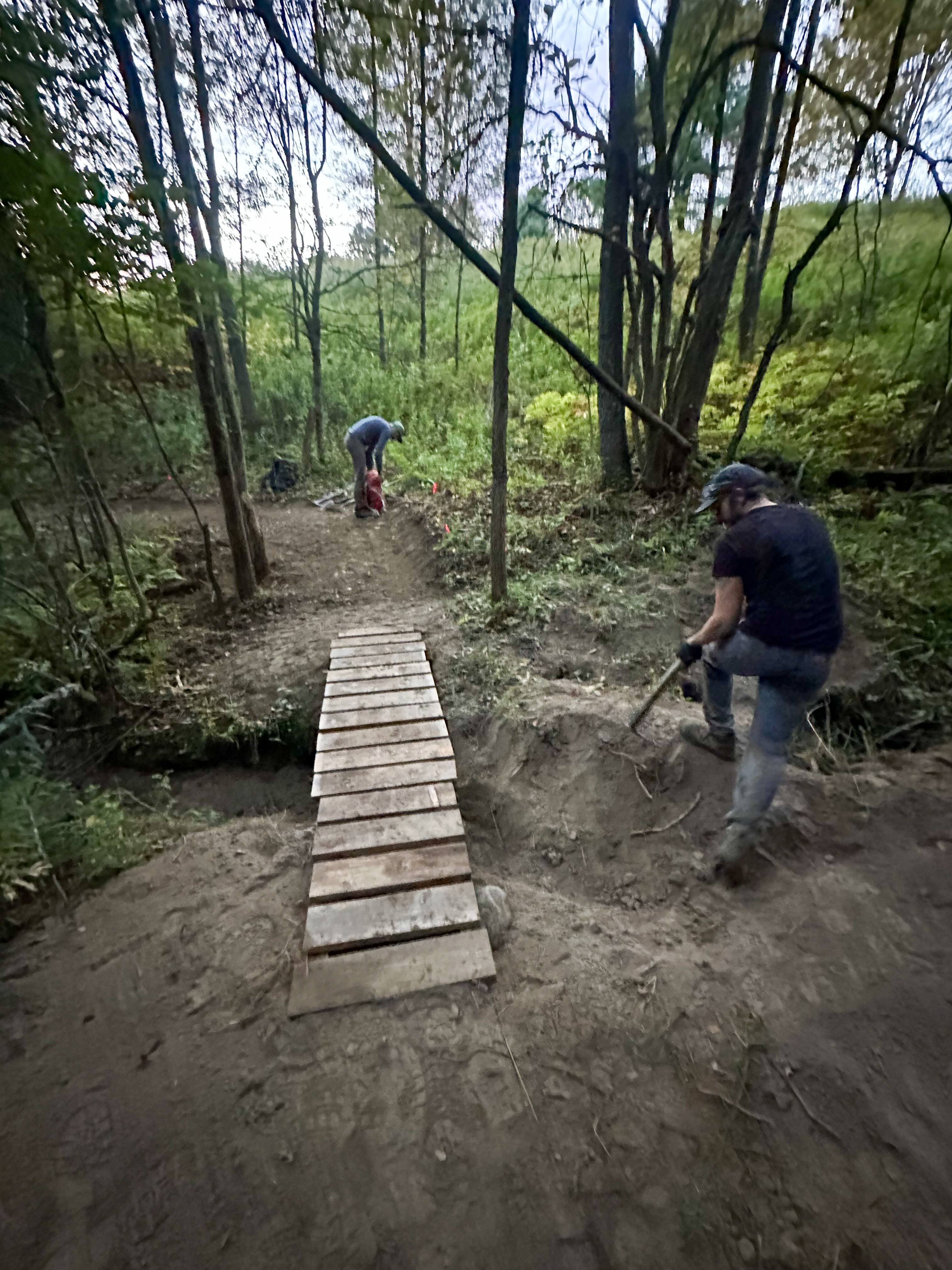
Photos: Bruce Hennessey, Jake Robertson, and Merrick Gillies
Work with experienced, careful trail builders who focus on sustainability
Working with reputable trail builders who have a proven track record is of paramount importance. Hennessey was comforted by knowing the work that Richmond Mountain Trails (RMT) and Jake Robertson had done over the years. In fact, he’d also pitched in as a volunteer trail builder on RMT’s recent build at the Driving Range. He knew that they’d create high-quality trails — but even he was surprised at the quality of Robertson’s work.
“He’s literally a genius at it,” said Hennessey of Robertson’s trail building prowess. “I mean, I don’t know how else to describe it, other than I think he just has a special intelligence for seeing the line and then producing it in a way that rides really well and super fun.”
“They were more careful than I would be with building those trails,” he added. “They’re like, ‘Yeah, we’re going to try to take out as few trees as possible. We’re going to try to keep all this land stabilized. We’re going to do what we need to do to make this happen.”
“I saw the ethic of all those people that volunteered at [the Driving Range], and what they were doing and how they thought about it, so I knew who they were and what they thought about and how they thought things through.”
Ensure builders understand all intended uses to design appropriate trails
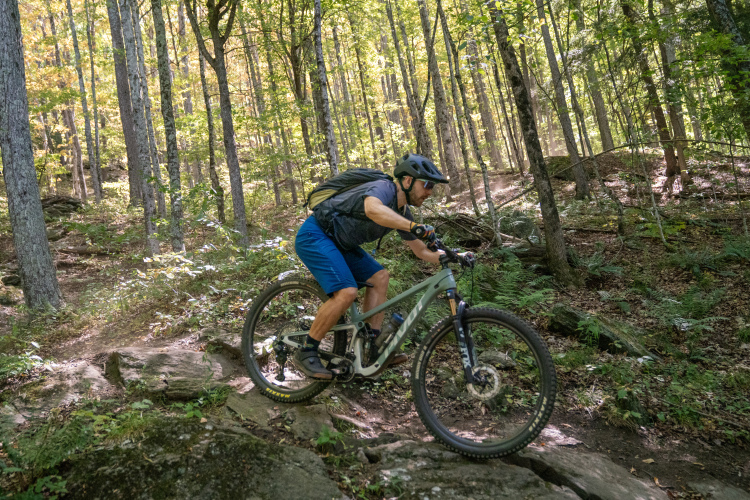
The trails at Maple Wind Farm aren’t just for mountain bikers — they’re for hikers and trail runners, too. Hennessey shared that he walks the trails every day with his dogs, and that the trails were designed so other trail users don’t encounter high-speed downhill riders. While there’s plenty of vert on the property, “it’s not designed for high-speed, big-time downhill descents. It’s designed to be a fairly technical, relatively slow […] riding.” This intentionally old-school technical trail design works well with the land and has proven to eliminate any trail conflicts among different user types.
What about liability?
One of the first concerns for many landowners is liability — and rightfully so. Liability laws vary dramatically from state to state, much less from country to country, so it’s important that landowners in different areas do their own due diligence.
One of the reasons that this private landowner system has worked so well in Vermont is that the state has “a liability law that protects the landowner from any lawsuit, as long as you don’t charge for trail use,” according to Angus McCusker, Director of the Velomont Trail.
Bennette added that it’s “one of the strongest” such landowner protection laws in the United States.
When asked about his potential concerns with opening up his land to mountain bikers, Hennessey didn’t even mention liability, thanks to these strong protection laws.
Hennessey had very few concerns about opening his land
Hennessey said that he had very few concerns about opening his land to recreation, because “I know the actors, and I know who they are, and so I wasn’t worried at all about [it].” While he said that he had no idea what the builders were truly capable of, “I know [Jake Robertson] as a person, and […] Berne [Broudy] I’ve been a long, long time friend and we’ve done a ton of outdoor stuff together. So I knew what their ethic was, and I knew that they were responsible actors, so I wasn’t really worried.”
His only true concern? Protecting access for hunters, who who had already been granted permission to use the land. “We want them to continue.”
It all comes back to community
“We have a mission statement on the farm that is focused on community,” said Hennessey. “The mountain biking community is truly spectacular in our area, and I know it is other places as well, but that’s another way that we connect as a farm business to the mountain biking community, is we have the same values and the same ethic.”
“It’s the community aspect that’s made it truly special for us,” he concluded with a smile.
Keep up with the latest mountain bike news by adding Singletracks as a preferred source on Google.




5 Comments
Feb 9, 2026
Feb 12, 2026
Feb 9, 2026
Feb 10, 2026
Feb 10, 2026