









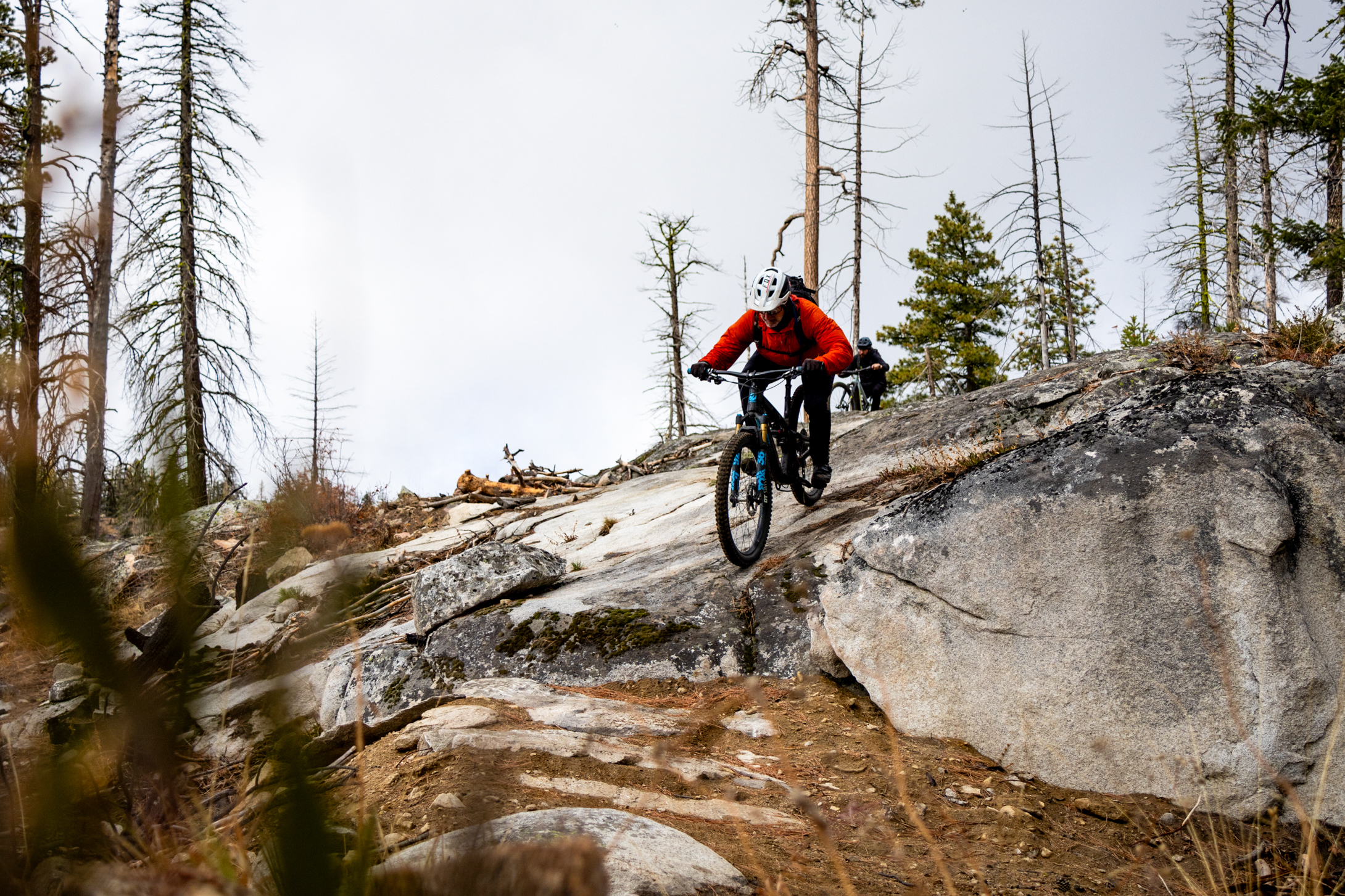
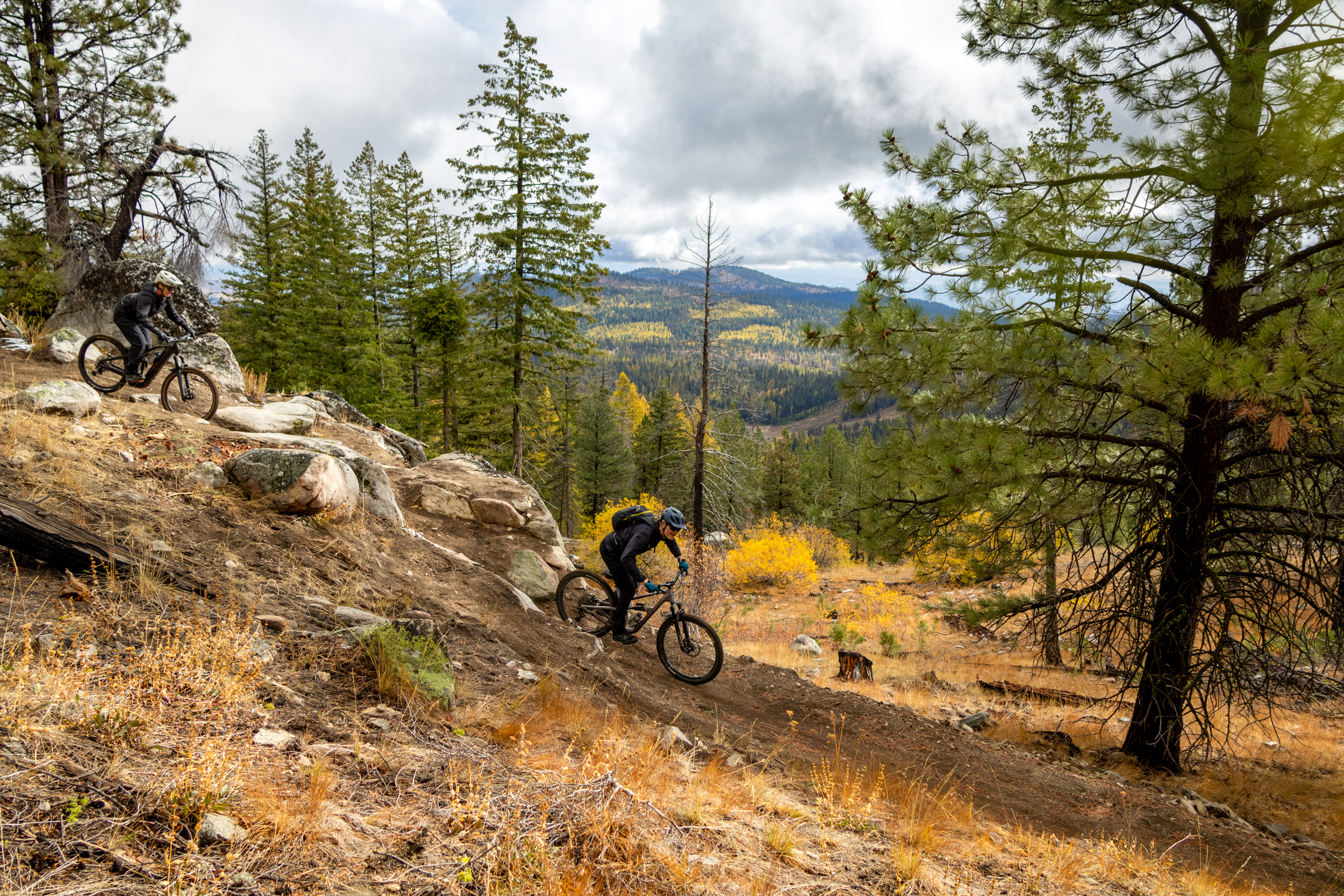
A small community ski resort perched 2,000 feet above Washington’s Methow Valley is reinventing itself as a year-round destination. Loup Loup Ski Bowl (“Loup Loup” for short), traditionally a winter-only operation, is transforming into a year-round mountain bike destination thanks to an ambitious trail-building project that will eventually link nearly 40 miles of singletrack across some of the most dramatic terrain in the North Cascades.
The project represents the latest success story in public-private trail development, with the Evergreen Mountain Bike Alliance’s Methow chapter partnering with the Loup Loup Ski Educational Foundation and the US Forest Service to bring new riding opportunities to an area that’s long been known for Nordic skiing but lacking in relevant mountain bike trails. With 16 miles already complete and rideable, the transformation is well underway.
To find out more about the project, Singletracks spoke to Joe Brown, the Methow Chapter President for the Evergreen Mountain Bike Alliance, and Josh Gewirtz, Methow chapter board member and trails lead.
The Evergreen Mountain Bike Alliance identified the Methow Valley as a great candidate for new trails
The Evergreen Mountain Bike Alliance (Evergreen) is a 9,000-member organization headquartered in North Bend, just east of Seattle. It’s comprised of 10 chapters across Washington state, each with its own council that functions like a board of directors.
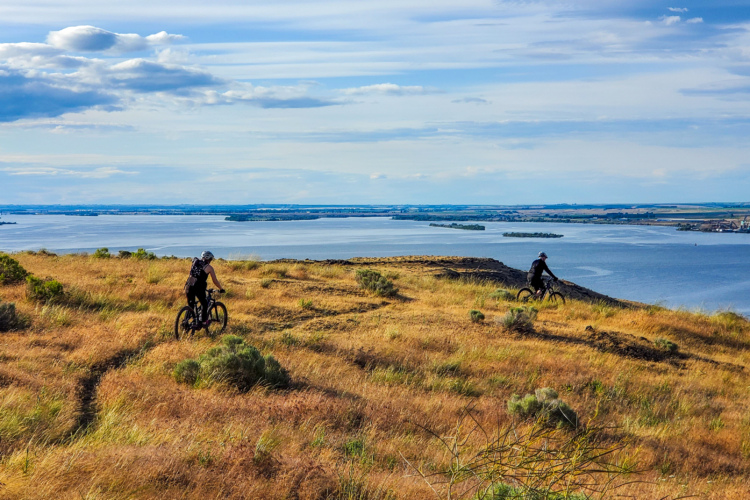
The Methow chapter covers the Methow Valley area, which is in the north-central part of the state. The valley is just east of the North Cascades National Park and is home to North America’s largest cross-country ski area. Brown said it has long been an outdoor recreational destination, and many people have second homes in the area.
However, the area lacked relevant mountain bike trails. According to Brown, the historical and existing trails were mainly user-built and not appropriate for all trail users. As the population and tourism in the area increased, demand for new and improved trails grew as well.
Brown told Singletracks that, when the Methow chapter was formed in 2012, it began to work with the Forest Service to maintain existing trails and to develop new trails.
A local ski resort was the perfect location to build a new trail system
Loup Loup is a small community ski area in the Methow Valley. “It’s a 30- to 45-minute drive from Twisp or Winthrop,” said Brown. The resort is operated by the Loup Loup Ski Educational Foundation, a non-profit organization that has a permit from the Forest Service to run the ski hill.
Loup Loup sits between the Methow and Okanogan valleys. “It’s an important place because it joins the two valleys and gives important access to the underserved areas and populations of the lower Methow and Okanogan valleys,” said Brown.
The resort mainly provides winter activities. However, the winter season is increasingly variable in duration and consistency — a trend affecting ski resorts across the nation. Brown said that a forward-thinking district ranger suggested Evergreen work with the Loup Loup Ski Educational Foundation to develop a plan for generating revenue during the warmer months.
“I walked the land and thought about the possibilities,” said Brown. “I wanted to have a planned trail system. It became really important.”
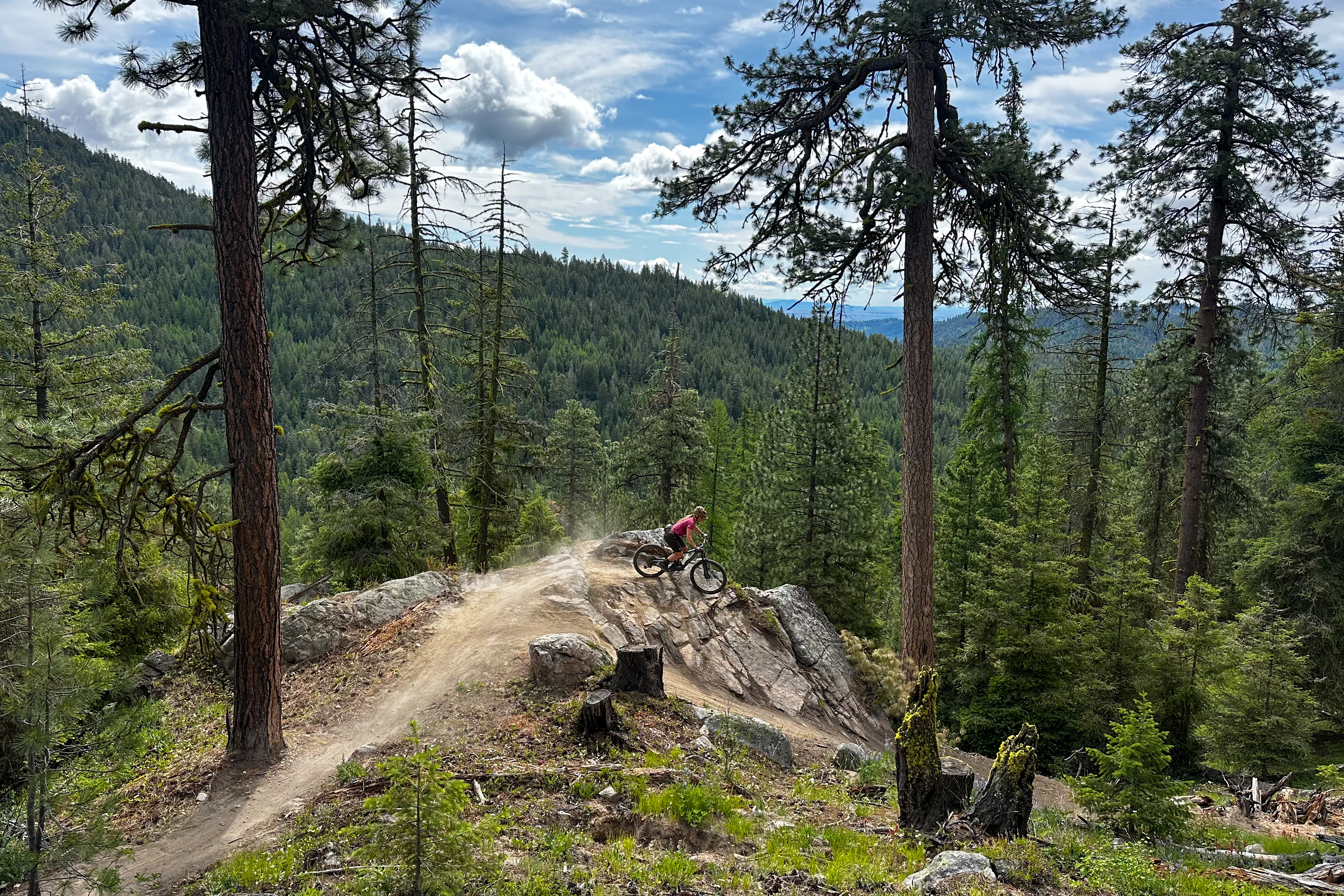
The Evergreen Methow chapter worked for 7 years to develop a plan and obtain the necessary approvals
Gewirtz told Singletracks that the Methow chapter received a $60,000 planning grant from Washington’s Recreation and Conservation Office (RCO) in 2014. That kicked off a 7-year planning process where the Methow chapter worked with the Methow Valley Ranger District to develop a trails master plan for Loup Loup.
“We had three goals for the project,” Gewirtz said. “We wanted to make existing Forest Service trails more relevant, we wanted to make the new day lodge at Loup Loup a hub for summer recreational activities, and we wanted to create trails that were closer to the Okanogan Valley.”
The Methow chapter used the grant money they obtained to collect GPX files, make maps, and obtain the necessary approvals for the project. They even hired an archaeologist to assist with the National Environmental Policy Act approval process.
Ultimately, the Methow chapter developed a master plan for Loup Loup that included 35 miles of trails. Most of the trails are contained within the resort and will form one cohesive, connected trail system. Beyond that, the Methow chapter wanted to connect old Forest Service trails north of the ski hill as well.
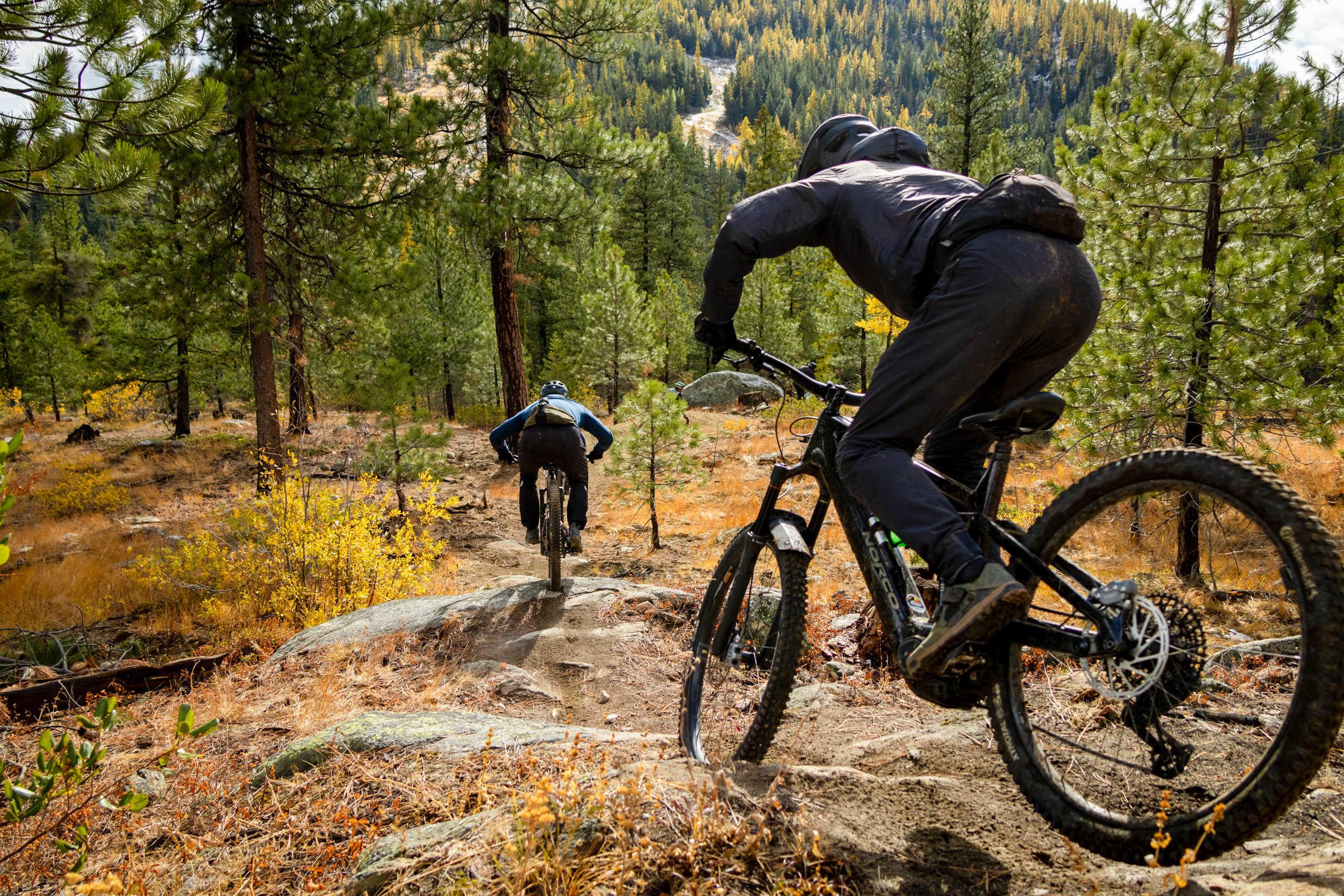
Loup Loup’s steep, mountainous terrain presented both challenges and opportunities
Loup Loup sits approximately 2,000 feet above the valley floor and boasts steep, mountainous terrain. “There were old doubletrack forest roads that were traditionally used for summer recreation, but some of the grades were over 25%,” said Brown.
According to Brown, when they were laying out the proposed trails, they had to figure out ways to keep people off the forest roads and provide an awesome user experience for all riders. “We had to make it work for the masses.”
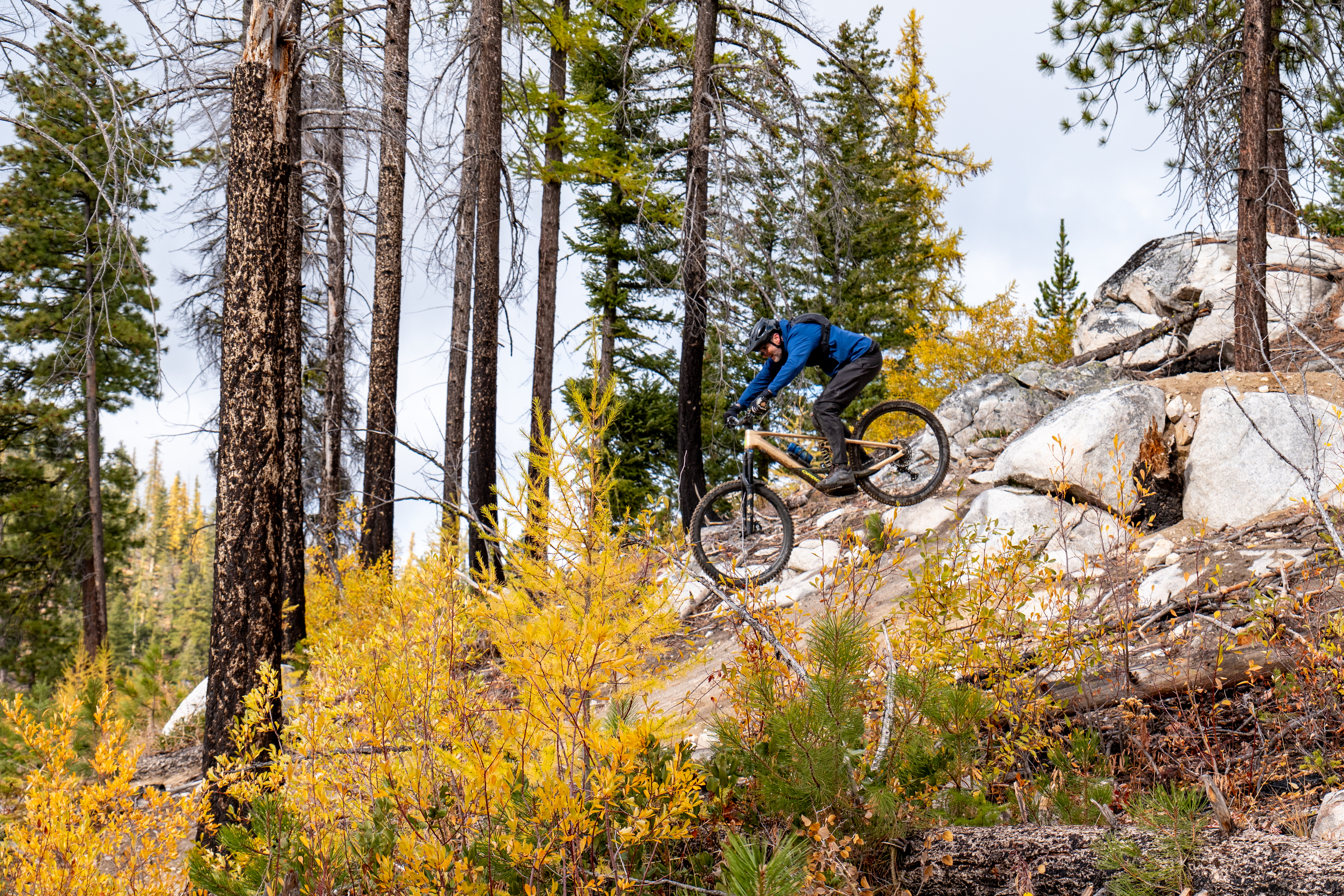
“The terrain is rocky. There are long slabs of flat granite. It takes a lot of time to build,” said Gewirtz. He went on to describe the topography of the area as being very dramatic. “The soil tends to get dry very quickly, and there are very steep side slopes.”
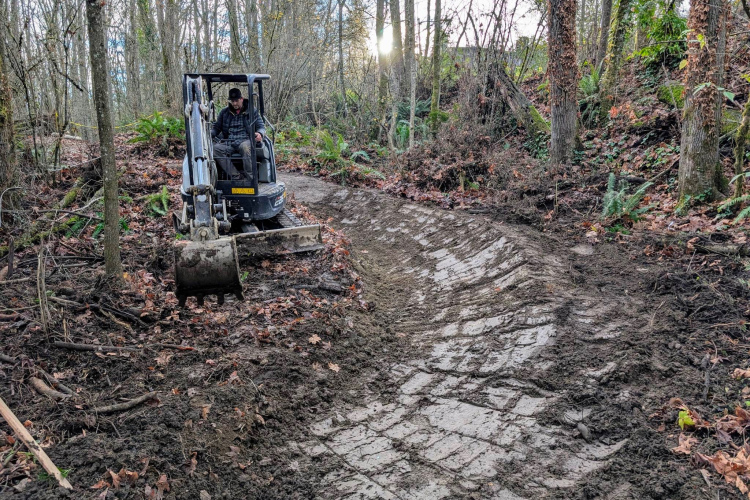
The builders tried to use the natural terrain as much as possible to incorporate the trails into the landscape, using a mixture of machinery and manual labor. Gewirtz said that the trail system will provide a variety of experiences for all types of users.
For example, the Oh Bother trail, a 1.7-mile advanced descent, is three trails in one, according to Gewirtz. “The upper part is tech, then it turns into straight flow, and [it] ends with a progressive style trail.”
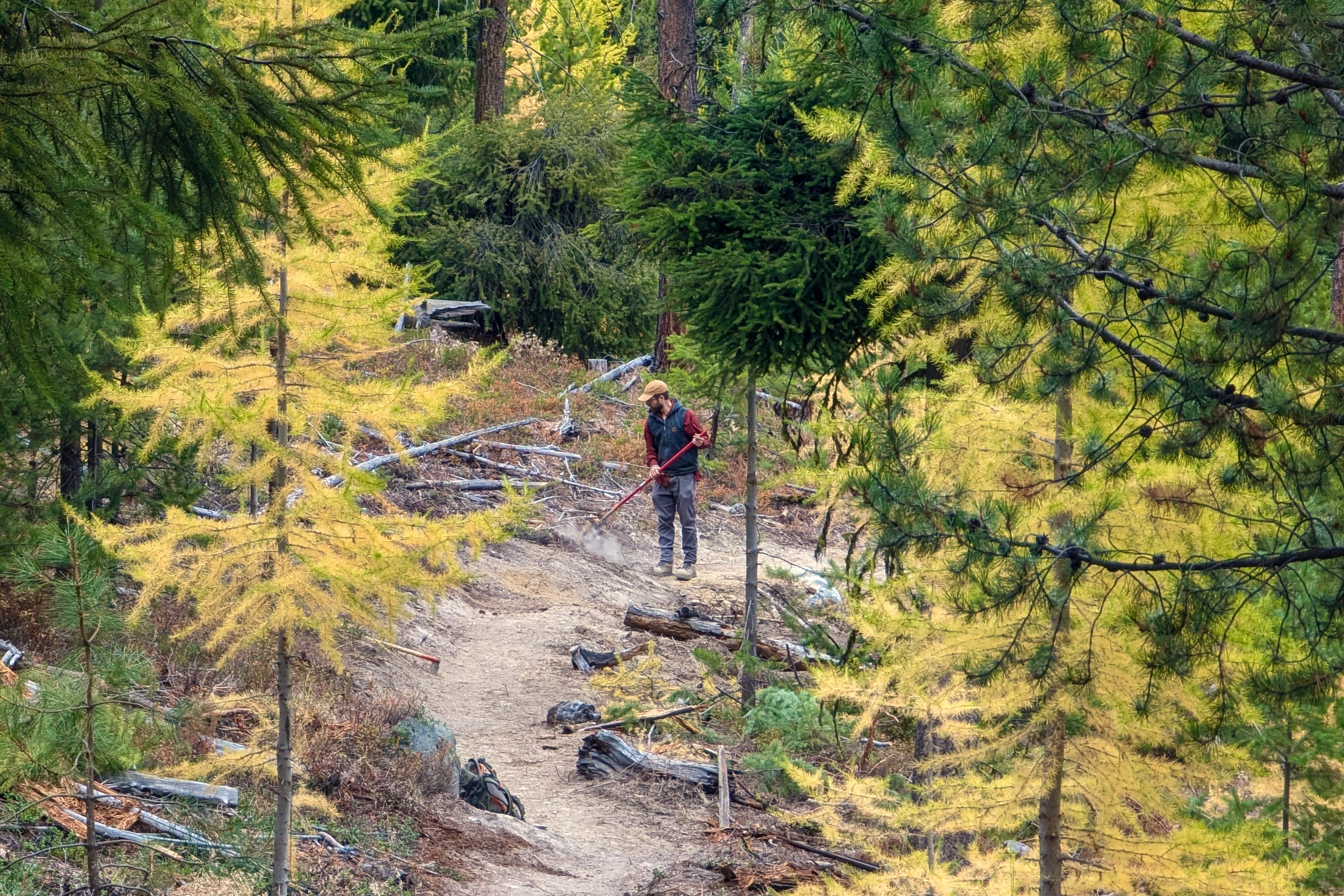
Construction began in 2021, and 16 miles of trails have been completed to date
“We began by putting in a new trail called Fozzy Bear Inventions and rehabbing the Telemark trail,” said Gewirtz. They also built a descending trail called Ursus. The initial construction was funded by $60,000 in chapter fundraising.
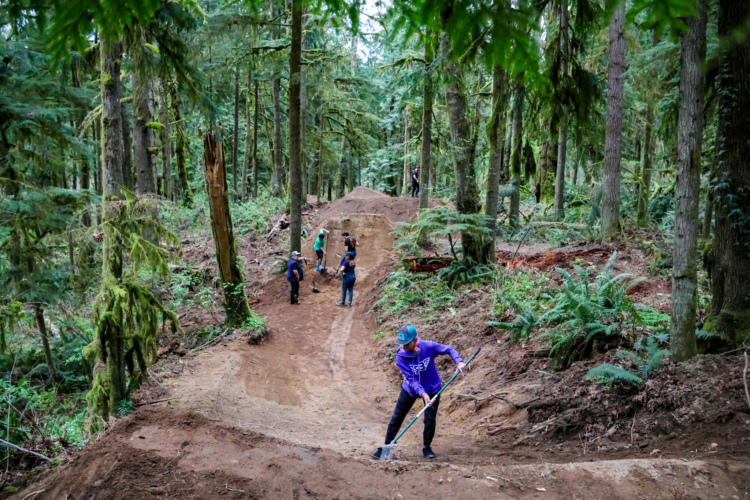
Since then, the Methow chapter has been able to fundraise and secure grants, including a $200,000 NOVA grant from the RCO, which has allowed its in-house trailbuilding crew of four people to construct approximately 5-6 miles of new trail each year on a budget of approximately $150,000 a year. “We’ve probably reduced our build costs by 30% by having our own build crew,” said Gewirtz.
As part of the project, Gewirtz said that the Methow chapter worked with other user groups, such as equestrians, to minimize user conflicts. “Integrating the trails without having user conflicts was a really important part of the project.”
Additionally, the trails are being built with future maintenance issues in mind. “The trails are built within the Forest Service’s sustainability guidelines, and we chose terrain that had already been thinned out [by logging],” said Gewirtz. He also mentioned that the Methow chapter has begun developing a maintenance plan and allocating funding for it.
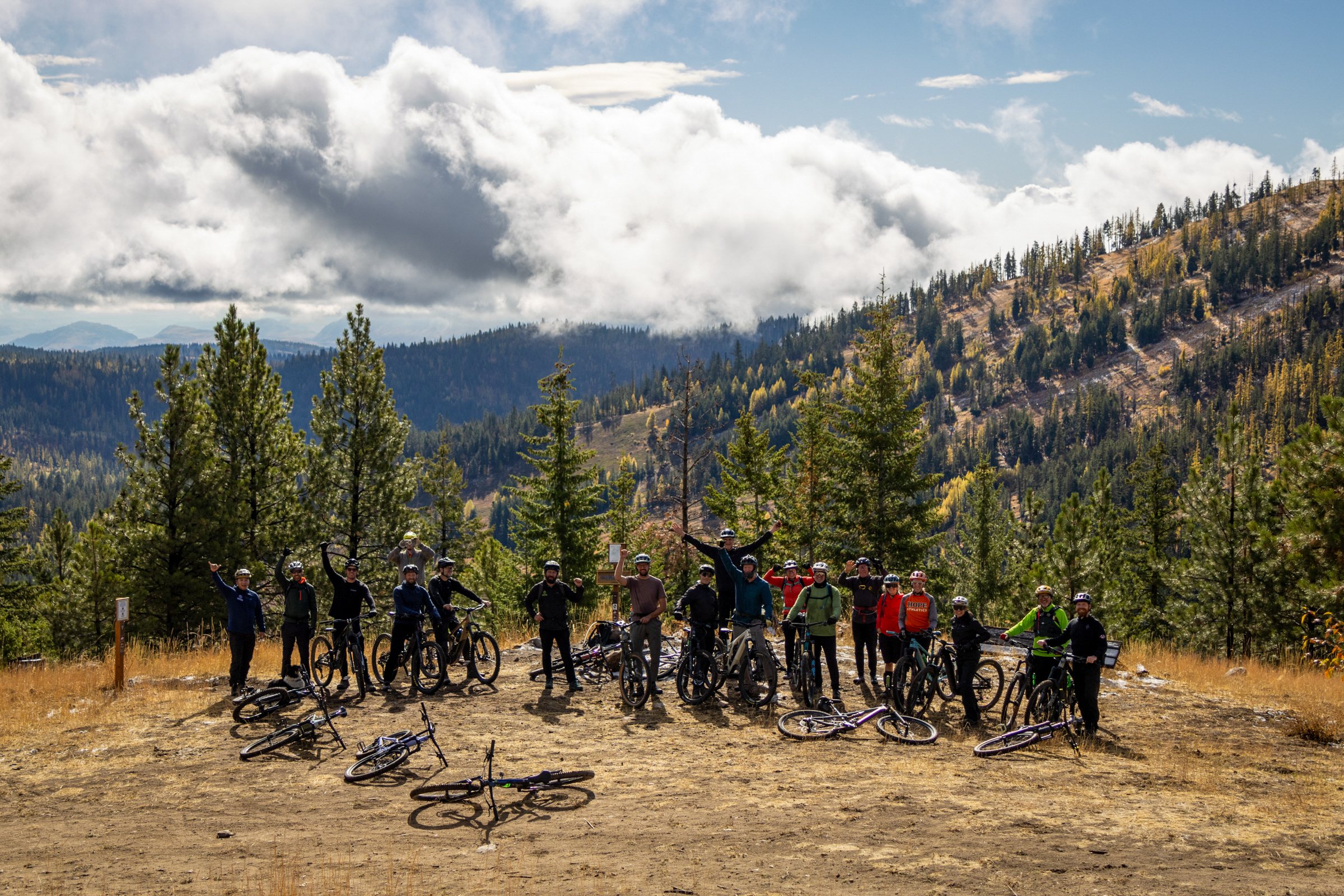
When finished, the Loup Loup trails will be a summer riding destination in Methow Valley
Brown predicts there will be four phases to the project. He said they are currently on phase two and are funded through 2026. The Methow chapter is currently working on grant funding for phase three, which they hope to have secured by 2027.
The phases were created based on grant size. The Methow chapter has received funds from several different sources, including the Santa Cruz Pay Dirt Fund, Fox, and the Washington State Office of Conservation, according to Brown.
When finished, Brown told Singletracks that there will be a connected, cohesive trail system at Loup Loup, as well as an adjacent trail system to the north of the ski hill. “It’s designed to get people on the landscape and connect to as many trails as possible.”
The news stinks. Why not follow Singletracks on Google News to bring more joy to your day?


2 Comments
Dec 4, 2025
Dec 3, 2025