


Legendary freeride films. Viral POV reels. Enduro World Series stages. How has Portugal’s remote Madeira Island ignited such hype? This Atlantic gem has already captivated the hearts and minds of Europe’s mountain bikers, and the news is finally arriving in North America.
Nestled between the Canary Islands, the west coast of Africa, and mainland Portugal, Madeira is tiny when simply viewed on a map. At just 286 square miles — less than a quarter the size of Rhode Island — how could it possibly have miles of mountain bike trails, enough to be a global destination for both pros and recreational riders? While the island may seem small on paper, the dramatic topography rises abruptly over 6,000 feet above the ocean with a rainforest landscape reminiscent of Jurassic Park. Madeira is like folded origami mountains — small in footprint, but much larger when unfolded.

Wood, water, and heritage in Madeira
Madeira literally means “wood” in Portuguese. The first European settlers and explorers harvested the long-lasting Til trees found in the endemic Laurisilva forest to build ships and other structures, giving the island its name. The last remaining old-growth trees are preserved on the island as part of the Laurisilva Forest of Madeira, a UNESCO Natural World Heritage site, with 90% being primary forest — which is extremely rare.
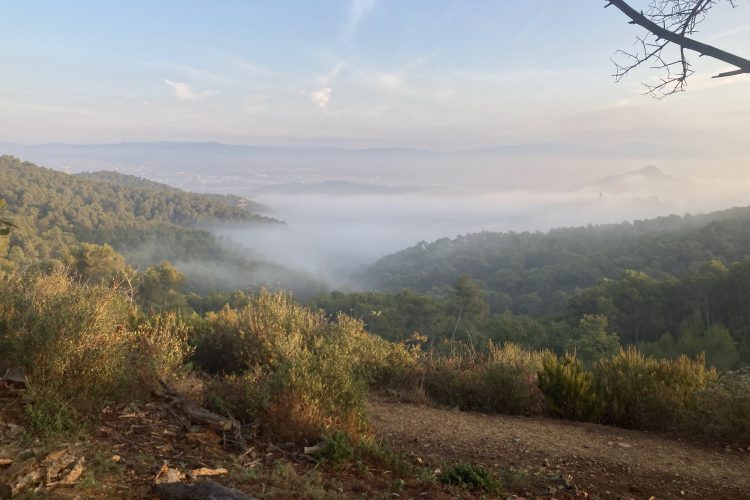
High in the mist lies Fanal, a forest of ancient, tangled laurel trees watching over the coastal towns of Porto Moniz and Seixal. Thousand-year-old trees still thrive alongside ribbons of trail.
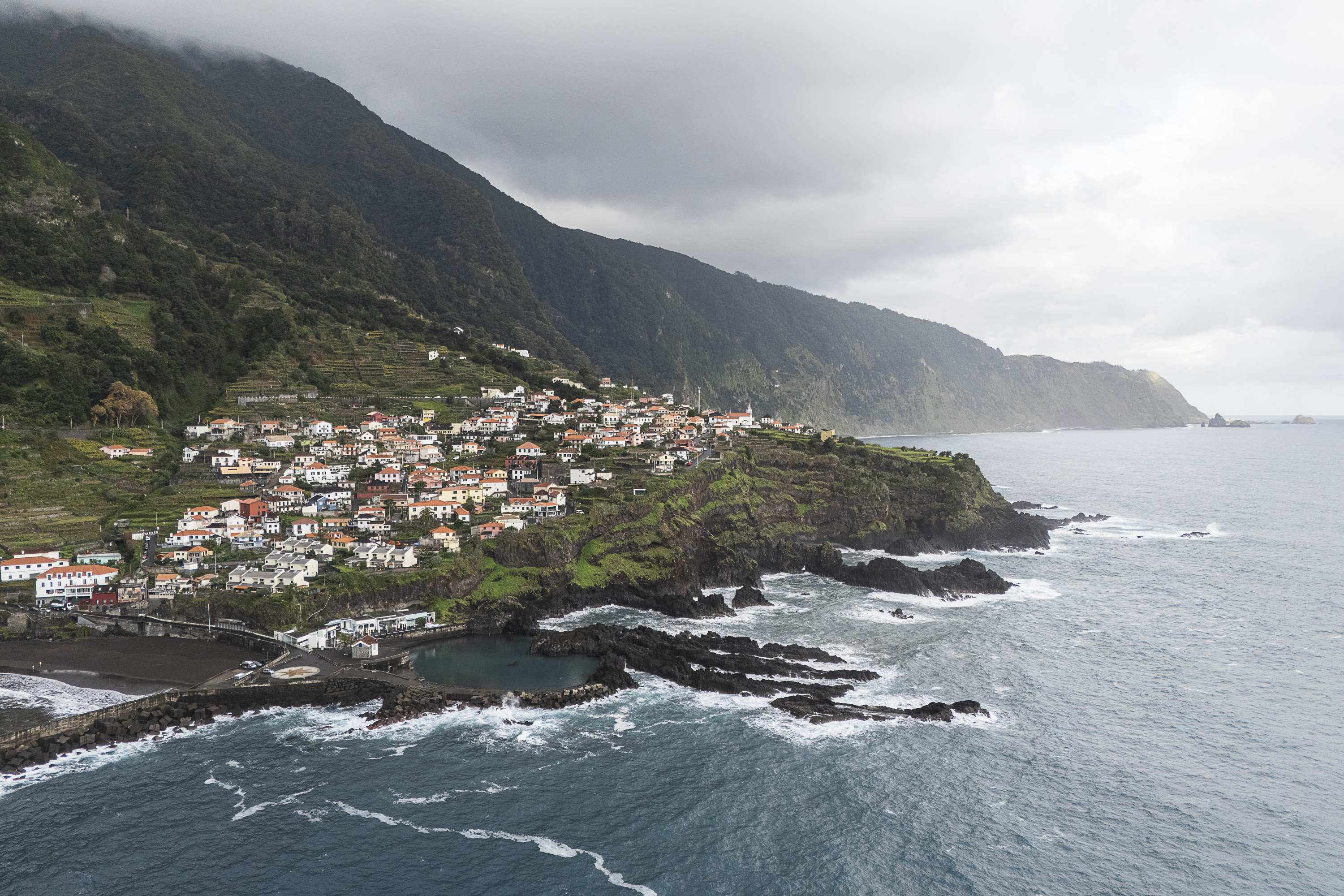
“Born swimmers became fishermen. Those that weren’t, farmers,” said Alexandre Jardim Andrade, President of the Clube Naval do Seixal and Mountain Bike Madeira Meeting (MBMM), as we discussed the island’s heritage while gazing at a wall adorned with black and white photos of the island’s development from the early 20th century.
Alex was born and raised in Seixal on the northern part of the island, only leaving briefly to attend college on mainland Portugal. As we talked, I couldn’t help but think of how the island’s early settlers were building roads, trails, and levadas between desired locations with picks and shovels. Levadas are the gravity-fed canals used to transport fresh mountain water from the moist mountains to the drier, more populous coastline — and there are over 800 miles of them. Nowadays, the hand tools may look the same, and we are still guided by gravity, but the purpose is much different. Recreational tourism, not fishing and agriculture, now drives the island’s economy.

The first official trail center on the island
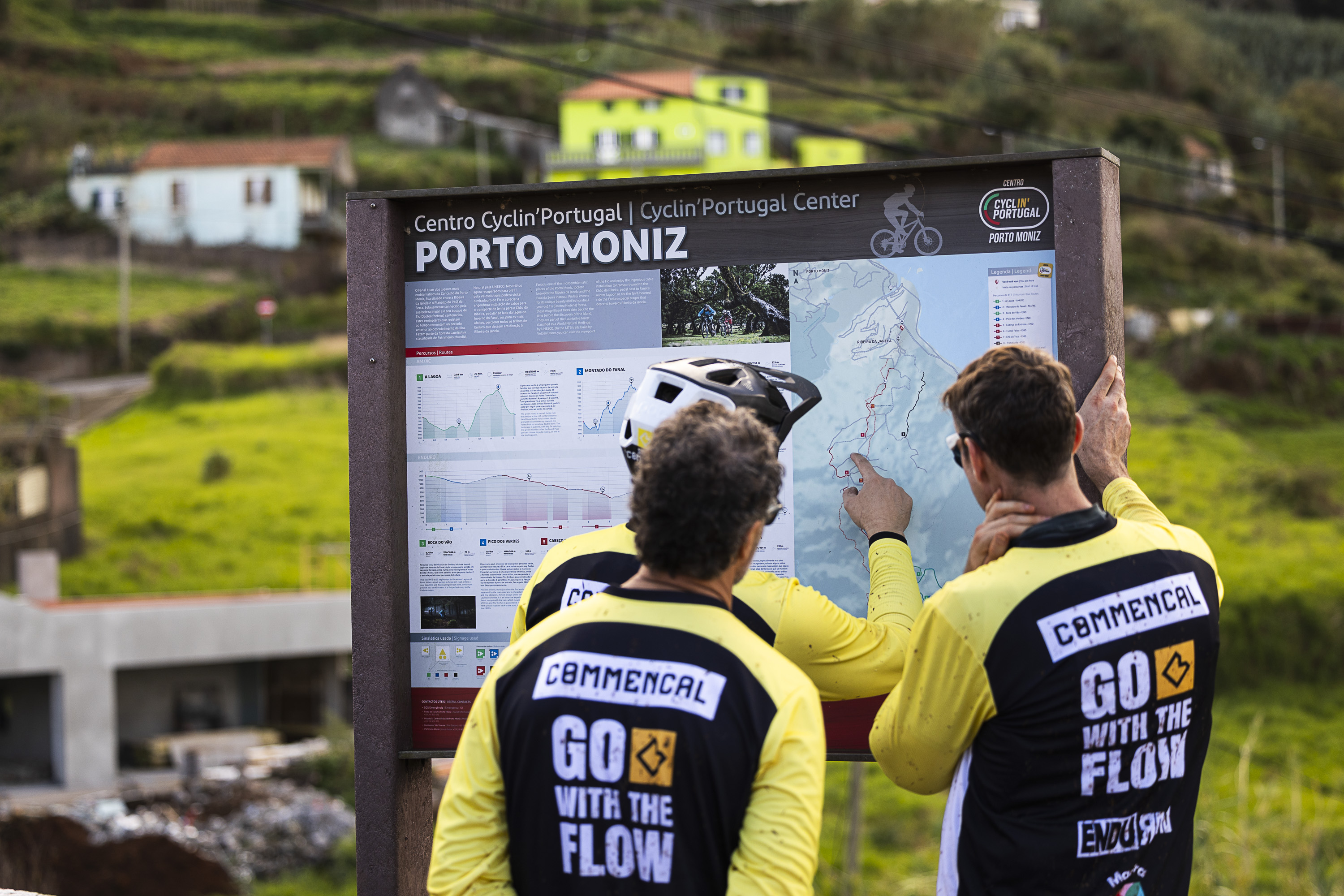
Next to Alex is a modern trail map with the logos of Velosolutions and Commencal. I can’t help but notice the just-cleaned Commencal bikes in the attached garage as well.
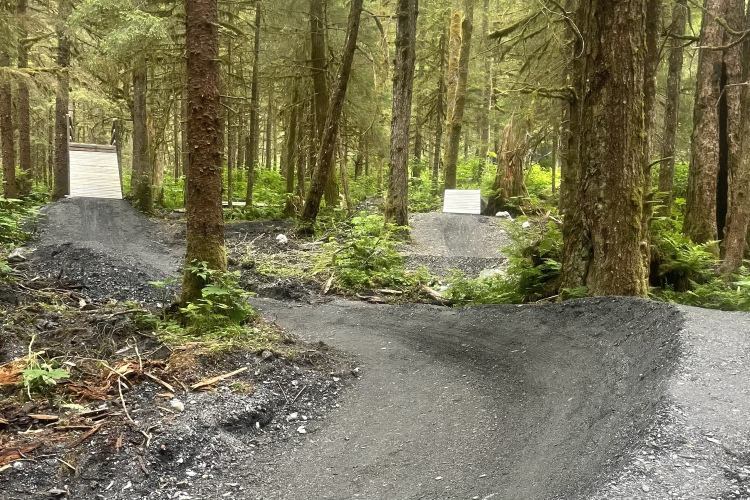
Before becoming president of the club, Alex spent the better part of a decade gathering political momentum for Madeira’s first official trail center in the UNESCO World Heritage site in Fanal, which was certified by the Portugal Cycling Federation. In 2019, Velosolutions finished over eight miles of trails in this area on the north of the island, prioritizing sustainable design, since a web of unofficial trails already existed.

There is an XC loop as well as enduro descents with complete routes of up to 26 miles, including connectors. The goal is to regulate access, rather than outlaw, in order to conserve the natural heritage site and provide an option for those looking to pedal rather than shuttle.
“The goal is to diversify tourist demand, complement the nature offerings, and connect coastal areas with rural and mountain regions,” said Raquel Braga, Public Relations Manager from Visit Madeira. She also mentioned the importance of increasing tourism during the off-seasons.
In 2021, Commencal joined as the official bike sponsor of the Clube Naval do Seixal, the official promoter of the trail center on Fanal in the north of the island. Madeira sits alongside the likes of Whistler and Verbier as official partners on the Commencal website. Their professional riders go to the island for training and enjoyment, including former Enduro World Champion Alex Rudeau and freeride extraordinaire Kilian Bron.

Levadas, tunnels, and volcanic ash
On my November visit, I joined a group ride on the north side of the island to experience the levada waterways firsthand. Following Christos, a vacationing 6-foot-plus Greek rider who calls Chamonix home, we reached the first tunnel. Not being under 6 feet myself, we made uneasy eye contact, well aware of the pending hike-a-bike along the levada through the darkness. Now I understand why the guide advised us to bring headlamps in broad daylight.
Pro racer Dimitri Tordo, who frequents the top ten in the Enduro World Cup, pulled out his mobile phone as I snapped on my helmet light. I pondered which is better — not being as tall or having a better light.
Christos entered the dark abyss, shuffling along a one-foot-wide concrete ledge next to the water, shoulders and helmet scraping the jagged rock walls, praying no one is coming the opposite direction. I followed. Occasionally, small trout scuttered in front of my light, but I kept my eyes on the narrow walkway.
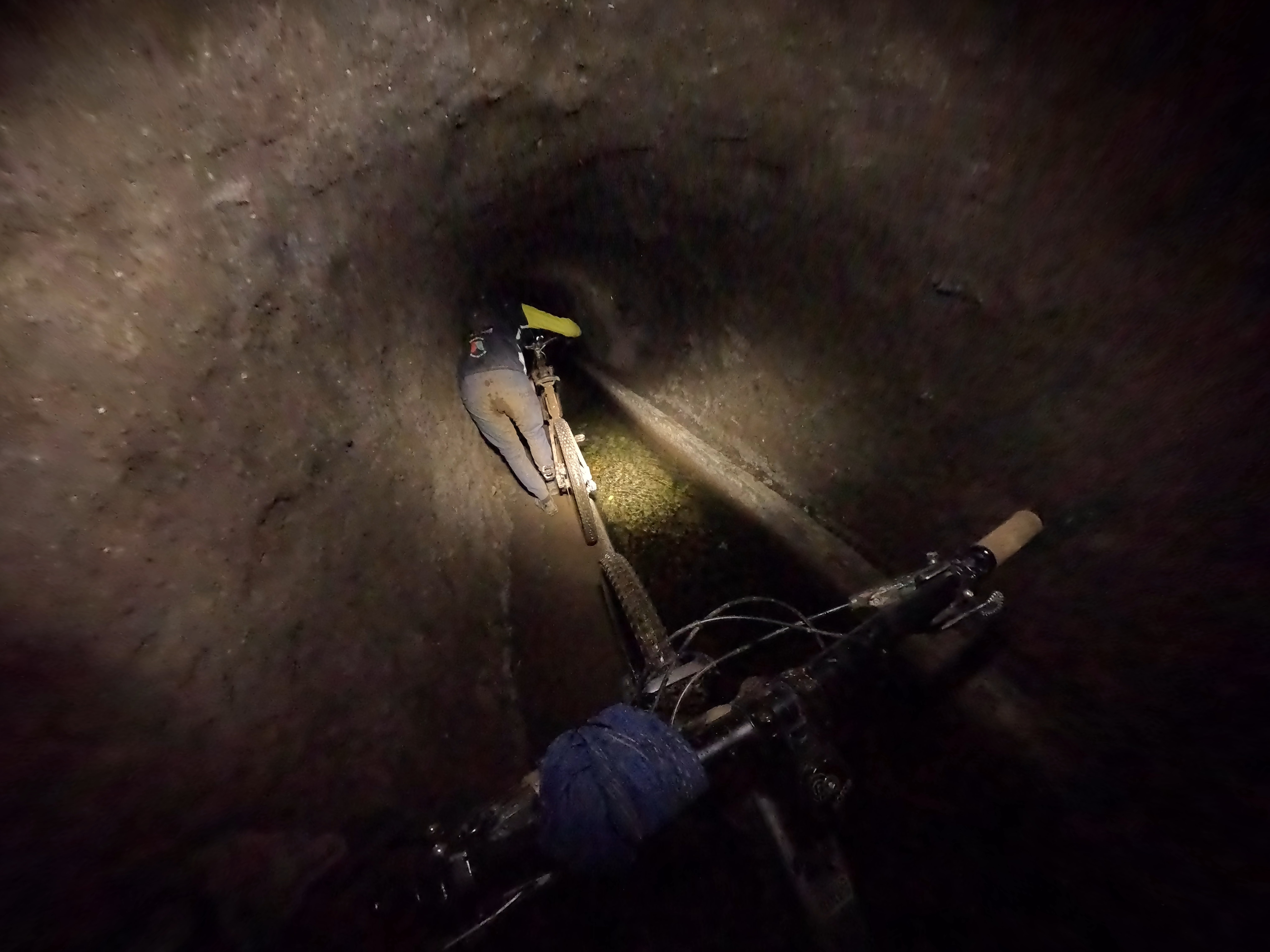
After half an hour of hunkered navigation, we got to the end of the last tunnel and the start of one of the best descents on the island. As we slashed our way through a gully filled with dark volcanic ash, I couldn’t help but feel like I was skiing powder. The loose volcanic gravel surface had only improved with the recent rains. It felt like floating in a bottomless substance, but with reliable grip and loads of support against the walls of the gully.
After the hoots and hollers of the descent, Christos exclaimed, “I can go home happy now,” clearly satisfied with the effort, still perched aboard his self-painted Commencal.
The trail zones of Madeira
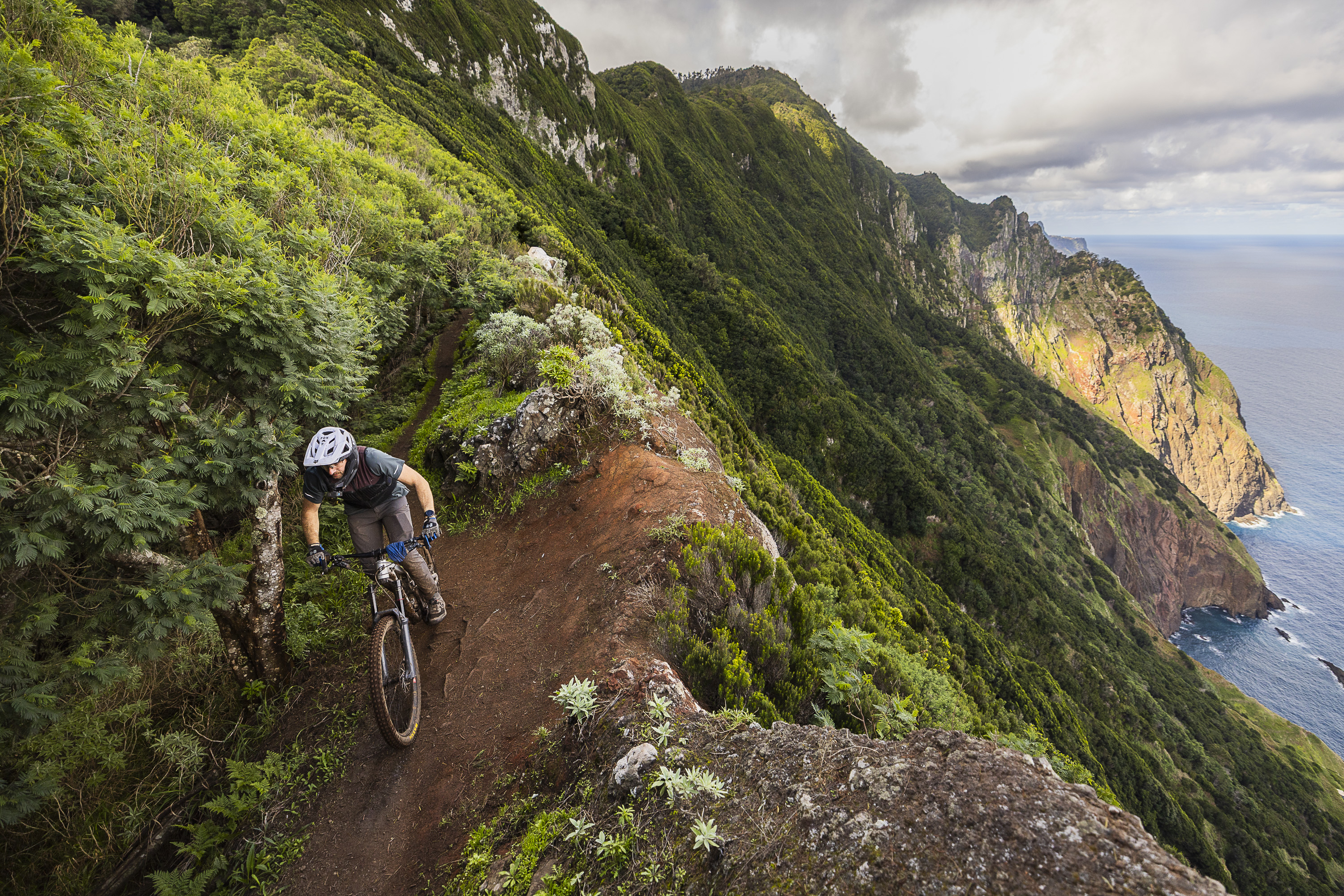
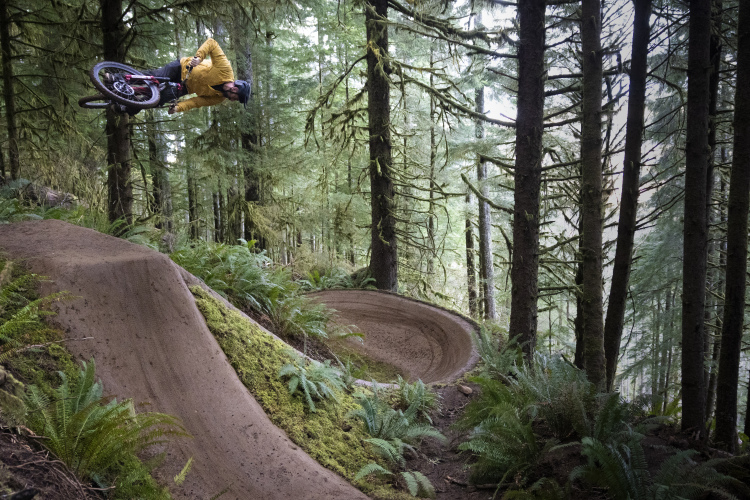
The mountain bike trails on the island are neither flow highways nor switchbacking hiking trails. Many have been purpose-built from the start for bikes, while others are at least bike-optimized with efficient berms, jumps, and other built features. Unlike the trail center in Fanal, many other trails on the island fall into a gray area in terms of access and legality. While some are officially recognized, many are not quite as clear-cut. Like with trails in mainland Europe, there are many landowners, and the parcels are small, especially by the coast. Plus, the terrain is seriously steep and cliffy.
The story of Madeira’s mountain bike scene starts with Freeride Madeira, now the largest guiding operation on the island. They began with a pick and shovel over a decade ago, building the first bike-specific trails and kickstarting the mountain bike tourism seen today with sweat equity. They now advertise their commitment to allocating 20% of their resources to trail construction and maintenance.
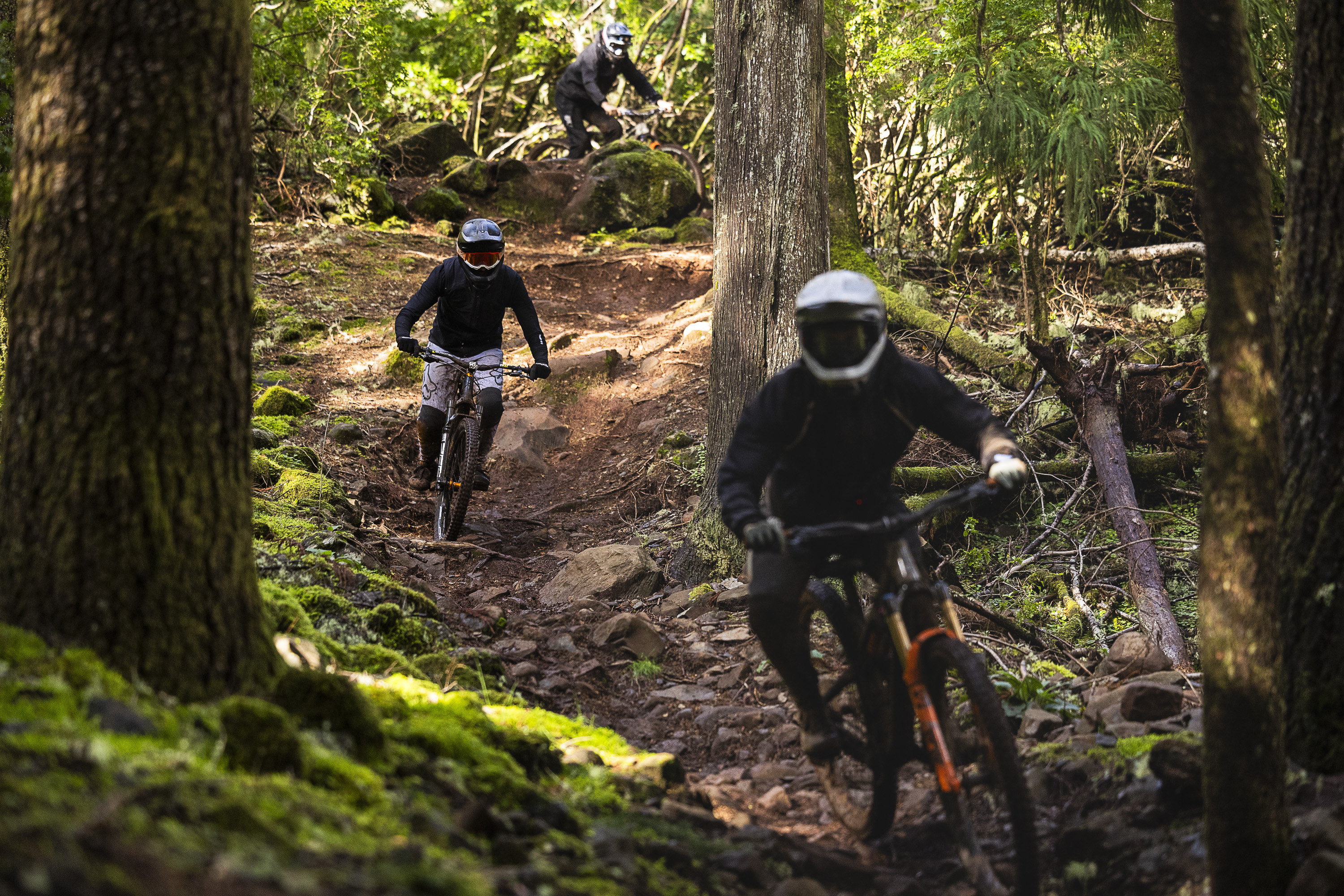
Most of the 100% officially recognized trails are located in natural parks, in areas such as Poiso, Calheta, Paul da Serra, Fanal, and the highlands of Funchal, and the list is growing thanks to the efforts of the people behind Mountain Bike Madeira Meeting and Freeride Madeira.
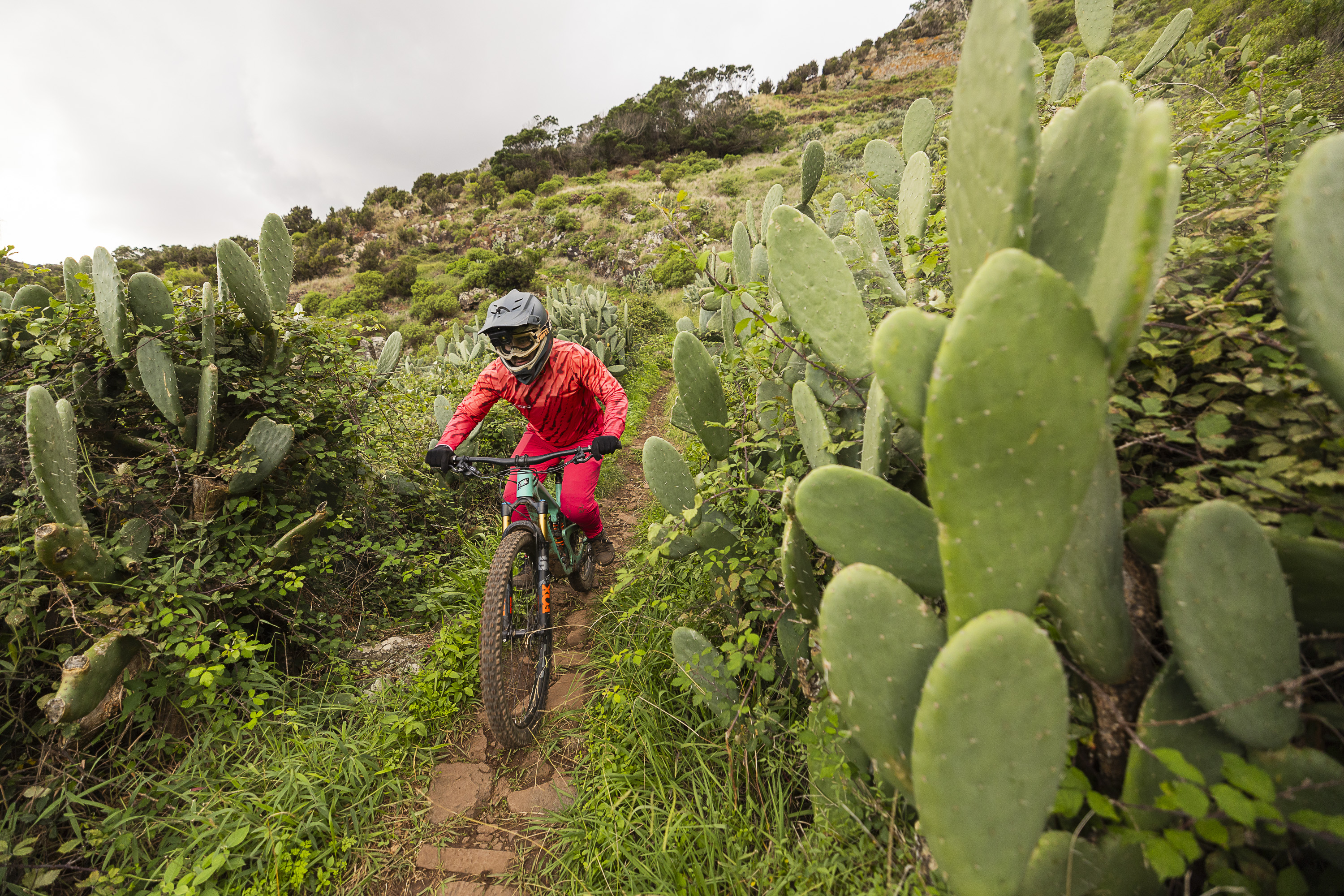
In the central highlands of the island, the riding quickly becomes addictive. On the forested north face, outside the Parque Ecologico, the trail Ratboy is a favorite of mine for its rock gardens and line choices, which offer far more grip in the wet than the notorious Madeira ice. Plus, there is a chill mini-channel gap that adds a thrill. Unlike the larger jumps, this channel gap is doable for most advanced riders. No need to be a pro.

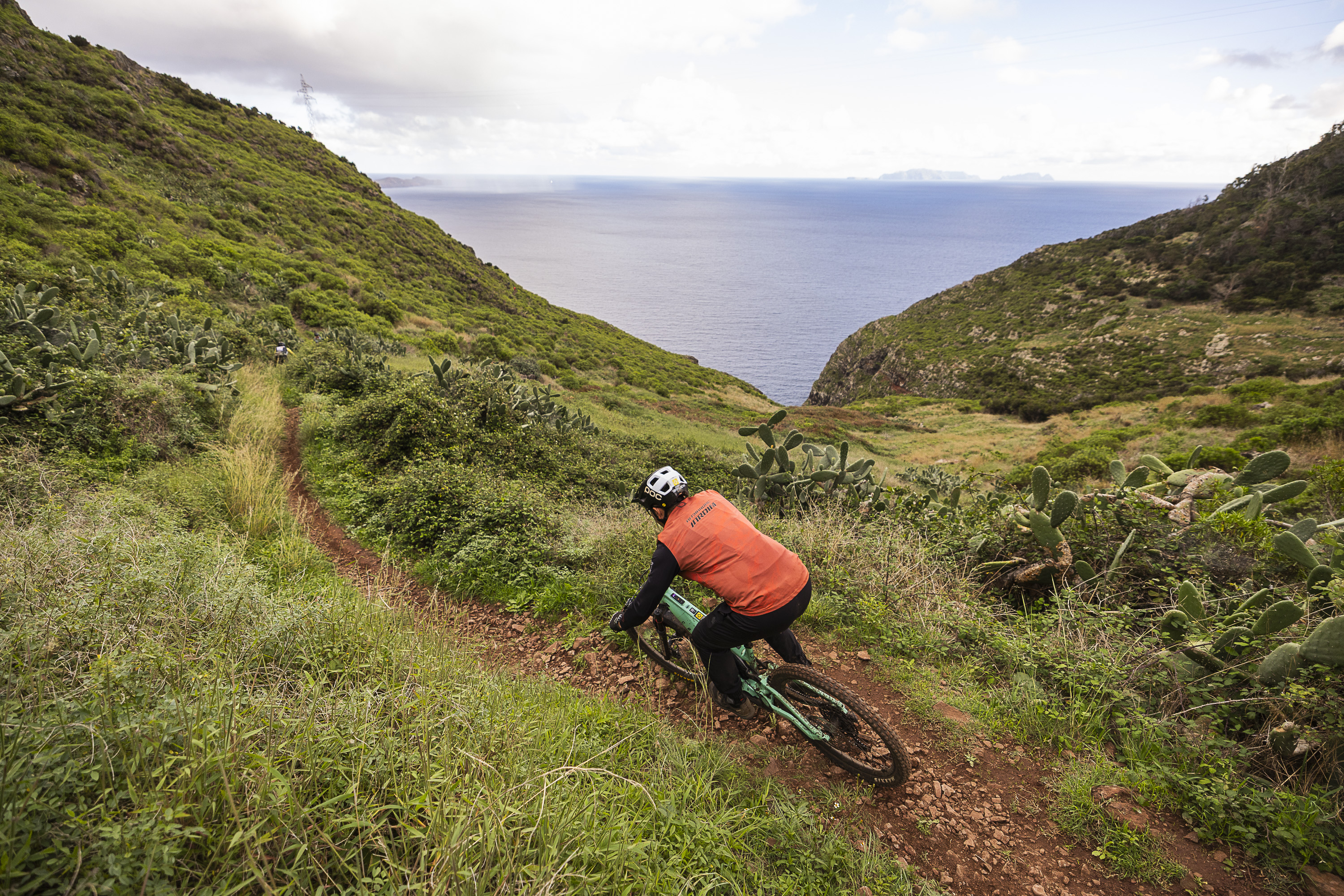
In contrast, other trails near Parque Ecologico are official, like Estaca, which follows an open ridgeline toward the blue of the Atlantic. The three times I have ridden there have been almost identical conditions — a misty rain cloud gently lifting away with the sun poking through, with more rays of sun as you descend. The landscape is open and flowy. Within the park, you find dreamy back-to-back berms.
While chatting with Dimitri, who raced top to bottom through the park in the 2019 EWS, he noted the physical nature of the short, but intense uphill in the middle as well as the overall long, mellow downhill. “It’s not too steep, so I had to pedal after every berm,” he said. Thankfully, speed wasn’t our goal when we rode it.

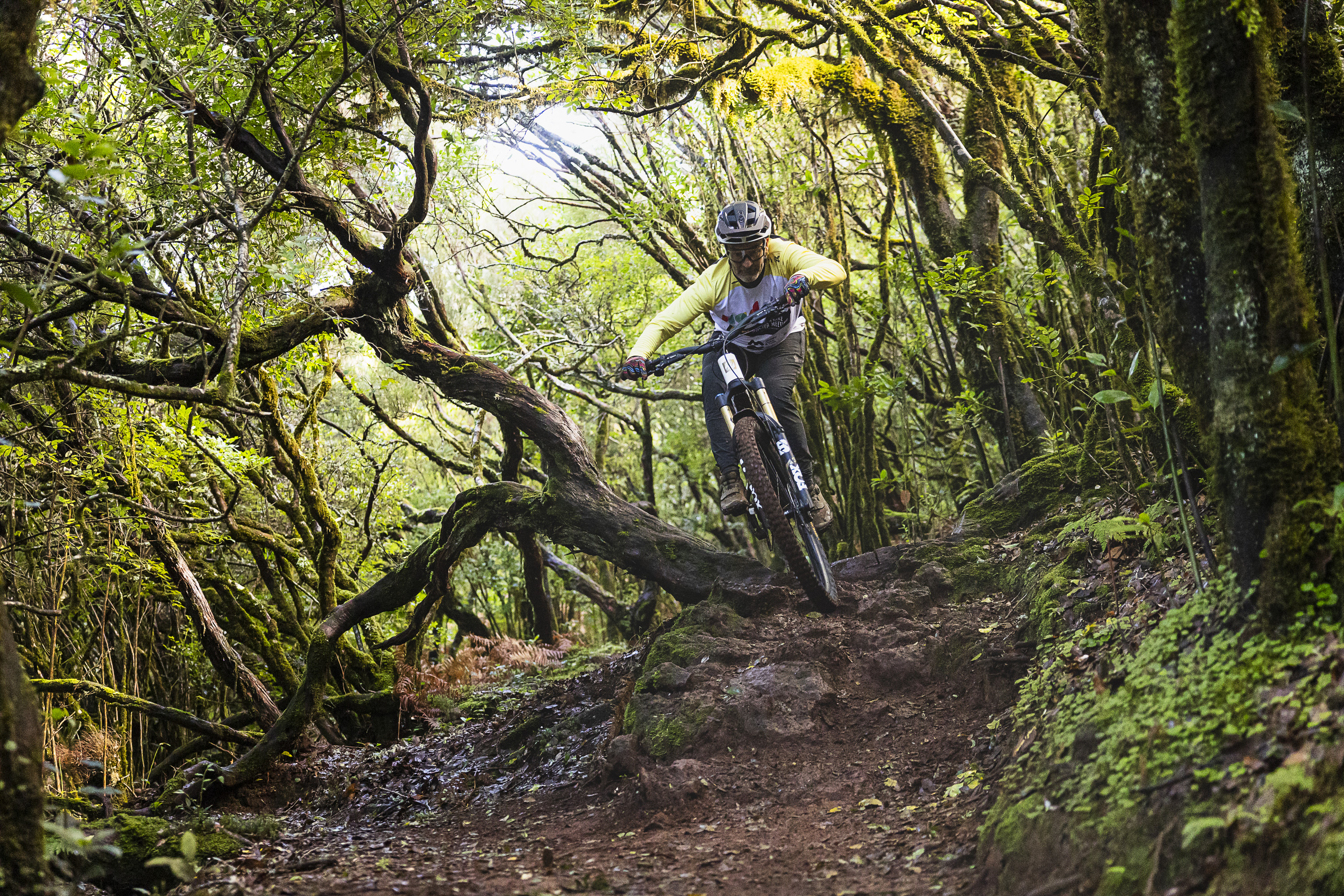
In yet another change of scenery, the riding at the trail center on Fanal is neither in open Eucalyptus forest nor along grassy ridgelines. It is in a UNESCO World Heritage site, after all. While the top is open with broad views, you soon enter what feels like portals through time and layers of the island’s ecology. Dipping and diving through tunnel-like passages amidst the tangled branches of thousand-year-old trees covered with bright green moss, surrounded by verdant ferns and dark soil, is an experience not to be missed. Following up with a dip in the natural pools of Porto Moniz or Seixal while admiring the jagged landscape of the north of the island is the perfect way to cap off a day.
Slipping and sliding through Madeira ice
“Plink-plunk-plink,” the rain hits my helmet as I crank, third in the train approaching the 20-foot road gap with the rain really coming down. “Shurlp,” my tire sheds the mud as I slide into the berm after the gap. Minimal Madeira ice, thankfully. The train follows the all-familiar pecking order of the guide, then fastest to slowest riders, all courageous or stupid enough to hit the gap in these conditions. We continued down the trail, already anticipating the next kick of adrenaline.

When it comes to tire choice, don’t bother worrying — nothing grips on the notorious Madeira ice anyway. Compacted terracotta-color clay combined with a moist patina creates a visible sheen and the non-existent grip that gives it its name. The local guides claim this is why Madeira locals often win the Portuguese national enduro and downhill races, since they train in the absence of grip. Instead of “If you can dodge a wrench, you can dodge a ball,” it should be “If you can corner on Madeira ice, you can corner on anything.”
Trip logistics
Madeira is a subtropical rainforest through and through, and in my experience, the emphasis is on rain. January is the wettest month in Funchal, the capital city, but the weather varies greatly depending on which side of the mountains you’re on. You can often find more protected trails to ride regardless of the weather in any one specific location. Locals assured me 2025 is the wettest year they can recall, and the bearings on my bike can confirm. Still, Madeira is a year-round mountain bike destination with average “winter” coastal temperatures between 60°F and 70°F, even at night. Swimming year-round is a real possibility.
There isn’t much pedaling thanks to the numerous shuttle companies, so a heavy-duty enduro rig is the correct choice. The northern part of the island around Seixal is the only area really intended for pedaling. By booking multiple days of riding with a guiding company, you’ll explore different parts of the island — in one week, you can sample nearly all the main riding zones. The local guiding companies have all the ride planning sorted for you, along with rental bikes and accommodation options if you want a turn-key vacation. Just remember to bring your beach clothes.
Madeira Airport is remarkable for its short runway, partially elevated on stilts above the ocean, making landings and takeoffs especially dramatic. Weather conditions can have a greater impact on flights, but for me, flying directly from Barcelona to Funchal was a breeze. Most flights from North America have a connection in Lisbon. Air Portugal even encourages a stopover night or two in the Portuguese capital, so you can experience both the rich European urban culture and Madeira MTB madness in the same trip.
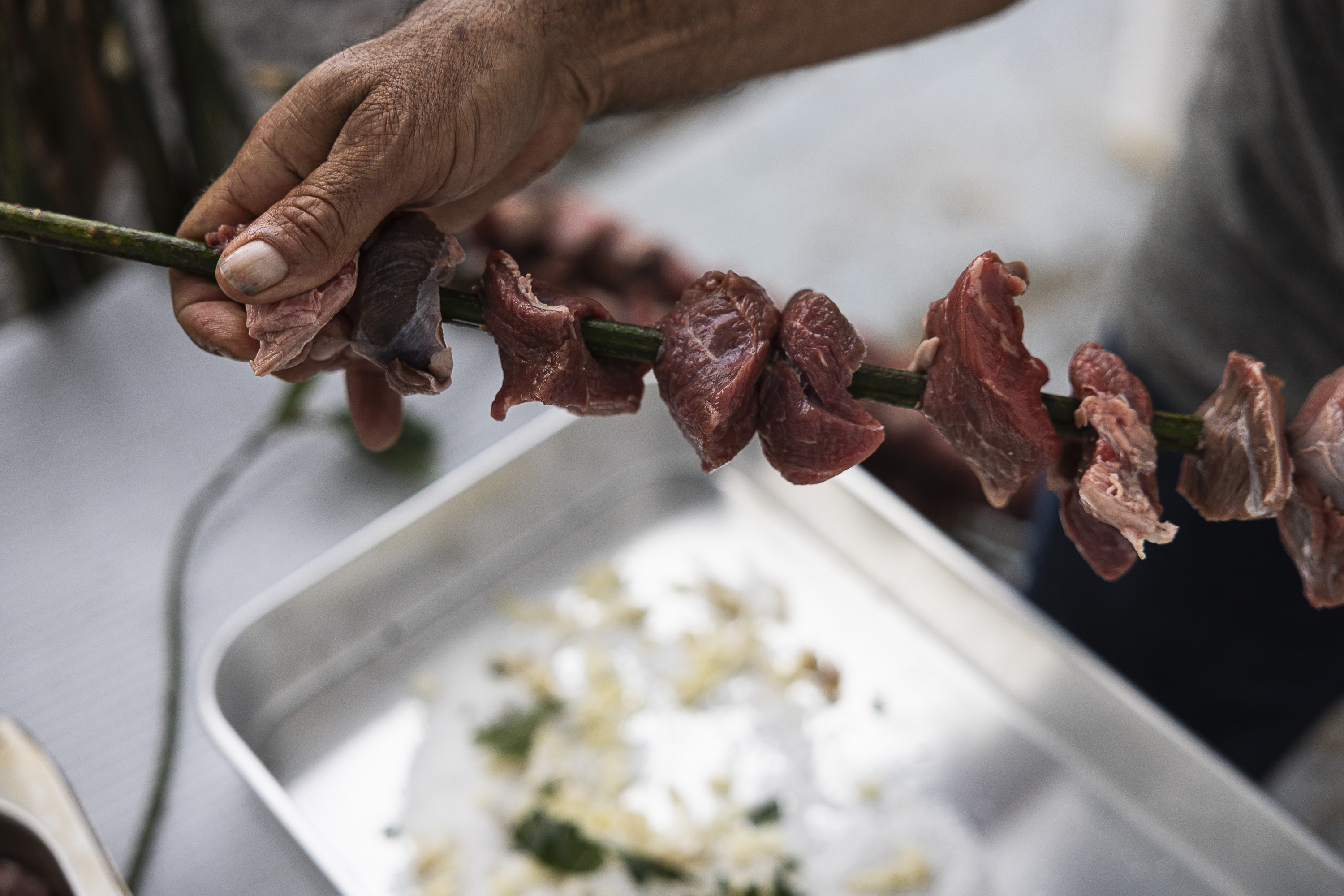
Once you’re on the island, it’s quite affordable relative to other MTB destinations. Individual meals can be found under $20, and even Espetadas — Madeira’s signature dish of salted steak grilled on laurel skewers over open flames — can be had for under $30 per person. Groceries and accommodations cost less on average than in most of North America and northern Europe.
Many of the guiding companies offer packages including rental bikes, protective gear, meals, and accommodations, so you can choose your level of independence and indulgence. Prices vary widely depending on the amenities chosen. For example, Freeride Madeira charges 85 € per person for one day of enduro shuttles if you bring your own bike, or 150 € if you need a rental. A 5-day trip starts at 485 € per person. With lodging included, cost between 1,000 € – 1,400 €, depending on the specific accommodation.

The last shuttle
As the van and attached trailer loaded with bike boxes shuttled down the undulating pavement of Seixal toward Funchal airport, I caught a millisecond glimpse between passing cliff walls of the old highway, built in the early 20th century, now abandoned and impassable. It used to take over three hours to drive from one side of the island to the other. Now, it’s just a 40-minute drive on the new highway, finished in 2004. While not as beautiful as the old coastal road, it’s certainly more efficient. It was built with a utilitarian ethos: connect locations, shorten travel, prioritize speed. Madeira’s trails follow a different philosophy, one that connects its past to its future through cultural preservation and ecological stewardship.
Arriving at the airport, I immediately picked up a Bolo do Mel as a last-minute gift for my partner: a traditional, dense Madeira honey cake usually eaten around the holidays. It’s often paired with Ginja, the local cherry liqueur. Together, they feel like a perfect metaphor for the island itself: modest from afar, incredibly rich once you get into it, and every now and then offering a little extra kick.

The news stinks. Why not follow Singletracks on Google News to bring more joy to your day?




1 Comments
Dec 26, 2025