singletracks is mountain biking
Sign In | Create Your Account | Site Map | Help  


Dakine Sequence Pack and Blitz Jacket Review

Thursday, October 20th, 2011

You’re probably thinking – a pack and a jacket, in one review? Well, why not?

Dakine, in case you haven’t checked them out yet, is a big manufacturer of quality gear for mountain biking and other action sports. Not only do they produce great packs and luggage, but they also offer an extensive line of clothing for both men and women.

Sequence Pack

Having really stepped up my camera gear kit, I needed something just as serious to keep it all safe when I ride to take my pics. Now, seeing that most of my riding is on the slopes as of late (DH is just too much fun), and a fall could really ruin my day (not to mention my equipment), I needed something with a bit more padding than my old setup. The Sequence pack is just the ticket.

This mid-priced bag has enough room to carry all my camera gear, laptop, and more. The padded block allows you to carry your camera body and a barrage of lenses but you can also remove the padded camera block and configure it to exactly match the gear you’re hauling.

I set up my bag so that the camera body and other small parts sit in their own section, while each lens is cradled in its own padded cube. My flash, charger, and extra battery sit in another padded section which protects all the gear, keeping it from bouncing around. The great thing about the padded block is that it has full-length velcro so that you can set the bag up virtually any way you want.  The actual Sequence bag holds my laptop, mouse, power supply, pens, notepad, and technical manuals in the zip flap. The main flap also has room for a 15″ laptop and two small organization mesh zips to hold other stuff (ID, credentials, snacks, and the like).

Up top there is a zip pouch that holds the deploy-able rain cover. I also use this pouch to store my Blitz jacket. Two side pockets can hold water bottles or, when zipped open, a tripod. A big plus to the pack is the robust waist and shoulder straps which rivals the best hydration packs for comfort. In the waist strap there is even extra padding for the small of the back.

Using the Sequence for every bike trip and hiking situation I could muster, I have to say that I love this pack. I was a bit nervous when I first started carrying the big kit (what I call all my gear), but once I got used to the extra weight I was fine on all but the craziest of slopes. Not only does it keep my 15+ pounds of photo and computer gear safe (weight weenies are cringing right now), but when riding to spots on the slopes I appreciate the stability of the pack. Yes, the amount of gear I carry is a bit extreme, and most people may not take that much with them. My point in bringing this up is how much gear you can carry and still keep everything safe.

When things got a bit wet, all of my gear stayed nice and dry, thanks to the full construction of 420D Nylon and the easy-to-deploy rain cover (I still sprayed Scotchguard on the cover for added protection). On long trips, I doubled the space and packed my clothing in the main 33 liter compartment, while still carrying the padded camera gear along.

Blitz Jacket

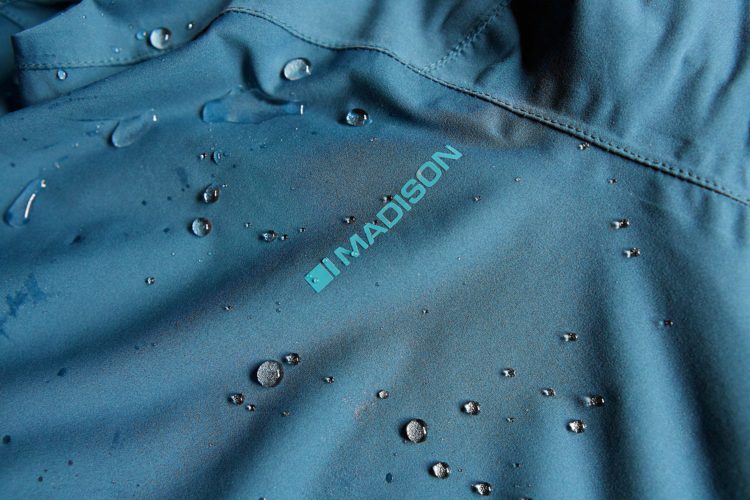
The Blitz jacket is another super product from Dakine. Coming into the fall season, this is a must-have item here in Ontario and especially in BC, where we get a lot of rain during the fall. Packing water resistant gear is a must, and the Blitz is a great jacket. Constructed with a nylon outer shell and a polyester liner, this jacket is breathable too. It also stuffs in a pack easily.

The fit on the Blitz is roomy which is great if you’re wearing armor. If you usually ride without body protection, go one size smaller than you usually wear. This jacket holds up well to washing (I wash using cold water only).

The Blitz features two front zips with pockets and vents (all in one) and one left breast pocket. The full-length front zip is weatherproof, and there is a rear vent to help regulate body temperature. One of the Blitz’s coolest features is that the hood can easily accommodate a helmet or can be pulled closed (with the draw strings). The cuffs are adjustable with a very nice velcro arrangement which keeps the long sleeves from sliding up. The Blitz is not cut like a typical cycling jacket with the raised front and lowered rear waistline. Instead, this jacket features a regular cut, making it far more versatile since I can use it both on and off the bike. The waist does have a drawstring to allow you to tighten up if necessary.

The Blitz is rugged enough to be used as an outer layer even if you’re on a freeride rig and the durable shell can take abrasion from those close encounters with trees and bushes. The jacket also does a great job of keeping the wind out. This time of year when the weather can (and does) change quickly I keep the Blitz handy all the time. The jacket can get a bit too warm at times, especially if you’re in a high humidity situation. But seeing that fall is here with lower temps and humidity, the Blitz makes perfect sense.

The Sequence Pack runs $205 MSRP and the Blitz Jacket is offered at $170 MSRP. The Sequence pack comes only in black while the Blitz is available in Charcoal (pictured) or a style called “Phantom” which is a dark, textured color.

Thanks to Dakine for sending these items up for a review. Check out Dakine’s website for more great MTB gear.

Review: Gore Bike Wear Alp-X Jacket

Monday, January 25th, 2010

wet_jacket

When I was a kid I had this idea for a clear bubble that enclosed my bike so I could ride in the rain and not get wet. Of course the idea wasn’t original and in fact enclosed bikes have been used to break bicycle speed records – but at the end of the day a bubble bike isn’t all that practical. Fortunately Gore has come up with a more fashionable, versatile solution for staying dry on the bike: the Alp-X Jacket.

The name Gore is now synonymous with waterproof breathability and with good reason. For more than 30 years the company has been researching and developing high performance fabrics like Gore-Tex with an eye toward serious athletes facing extreme conditions. The attention to detail in the Alp-X jacket is clearly visible from the expertly taped seams to the double-shielded enclosures.

jacket_seams_inside

Tightly taped seams inside the jacket.

Although this jacket is versatile enough to be worn on the trail or the road, it really works well for mountain biking for a number of reasons. First, it’s super lightweight and easy to cram into a Camelbak without taking up much space and the jacket can be stuffed into its own rear pocket. My size large jacket weighs just north of half a pound at less than 11 ounces – so light that I usually forget it’s stuffed in my pack (until it starts getting cold or raining).

Now I know what you might be thinking at this point: Aren’t we supposed to stay off the mountain bike trails when it’s raining? I’m definitely a firm believer in staying off wet trails but the fact is that sometimes mountain bikers get caught off guard, especially during epic rides that start in the morning and go until dusk. The Alp-X is the perfect emergency shell for avoiding hypothermia and keeps you mostly comfortable even when you’re pumping the pedals. Although this jacket is very breathable, if you’re like me you’ll probably still sweat a little once your heart rate gets up no matter what the outside conditions may be.

Aside from using the Alp-X to stay dry, I’m finding that the jacket is great for blocking the wind on the trail and on the road. In fact when the air is dry I feel like the Alp-X does an even better job regulating body moisture and smoothing out temperature variations due to climbing / descending / and resting. Even on the coldest days this winter I’ve worn the Alp-X over nothing more than a lightweight long sleeve jersey and have felt great.

jacket_stand

Beyond its solid performance, the Alp-X is a seriously sporty looking jacket and I find myself making more and more excuses to wear it out. Gore claims this jacket has a “Euro fit” which apparently means it’s slim and the zipper pull is on the left. The cut is definitely athletic right down to the “pre-shaped elbows and 3D ergonomic fit.” On the trail this means the jacket doesn’t get in the way when you want to throw down sick moves. The Alp-X also includes velcro wrist closures, an elastic waist cord, and an expandable tail to help customize the fit to your body even further. The upshot? Air and water don’t have a chance of getting inside this jacket unless you want them to.

jacket_back

The Alp-X comes is a two high-vis colors but the black and gray version seemed a little more “mountain bike” to me. Before choosing this jacket one of the folks at Gore commented that the black jacket isn’t very visible on the road to which I scoffed – mountain bikers don’t need to be seen. Actually that’s not true (hunters, training rides on the road, etc.) but it turns out this black jacket is very visible at night thanks to its reflective piping and accents. On a recent night ride a friend remarked that the pattern looked like something out of the movie Tron which in my opinion, makes it freaking awesome.

Pac-lite durability and waterproof-ness come at a cost, both in terms of usability and finances. The jacket is crinkly – sorta like a heavy duty garbage bag – which means you won’t be sneaking up on anyone on the trail. Fortunately since this jacket is shaped and fitted, there aren’t too many areas of excess material to flap in the wind while you’re riding. And as you might expect from a rain jacket, the Alp-X isn’t exactly soft on the skin so be sure to don a comfy base layer to avoid direct contact during your ride.

In terms of monetary cost, at $269.99 MSRP this is a fairly expensive jacket. The good news is this is a piece of equipment that will last for years and is guaranteed to keep you dryforever. So if, in 10 years, you start to notice leaking around the seams on your Alp-X, Gore will repair or replace the jacket at no charge. Considering lifetime costs, this jacket is actually a steal.

Care and maintenance is no big deal for the Alp-X; just toss into the washing machine on warm and let ‘er rip. Dry on medium heat and the jacket is as good as new. In fact, washing and drying the Alp-X actually helps maintain the water repellent finish on the outside so water will continue to bead as soon as it hits the surface.

The Alp-X is probably the closest thing you’ll find to a mountain bike bubble that won’t weigh you down or harsh your flow in the rain. If you’re serious about mountain biking year round, the Alp-X is a great investment that will ensure safe and comfortable rides for years to come.

Thanks to the folks at Gore for providing this jacket for review.

Gore-Tex R&D: My Visit to Gore Part II

Friday, November 13th, 2009

Last week I wrote about some of the technology behind the Gore-Tex membrane and how Gore works closely with brands like the North Face and Pearl Izumi to produce super high quality gear. This week I thought I’d talk about the testing process Gore uses on everything from jackets to footwear to gloves and some of the new developments we can expect to see in the future.

gore_3

Fabric Testing

In order for Gore-Tex to “guarantee to keep you dry,” they need to test every new garment design before it goes into production. At Gore they use some fancy scientific tests like the “sweating hot plate” and water pressure testing but in the end a good garment design will be all about comfort. To that end, they have a few tests to mimic real world conditions with real human test subjects.

gore_2

The comfort chamber: This should probably be renamed to the dis-comfort chamber since it’s basically just a small room where the temperature can be set from -20° F to 120° F. The comfort chamber also features fans to add in wind chill to see how stuff like Gore-Tex snowboard jackets will perform on windy ski hills.

gore_rain_room

The rain room: This room is appropriately named and is the place where Gore tests all their rain gear (like Gore Bike Wear jackets). Rain falls from the ceiling in a fairly natural pattern and there are even nozzles pointing up from the floor to simulate rain coming off a wet bike or motorcycle tire.

gore_1

The wash room: Ok, so this test doesn’t involve human subjects like the other two but it turns out continuous washing is the best analog the Gore engineers could find to normal wear and tear experienced in the field. I’m told there are more than 200 washers in the room and they’ve all been rigged to run continuously, often for hundreds of hours at a time.

gore_4

Gore also tests footwear by flexing shoes over and over in a water bath to see how many flexes it takes before water penetrates the toe box. I saw a set of Pearl Izumi kicks in the testing lab and apparently if a shoe doesn’t pass this test, it’s back to the drawing board before the shoe can be manufactured.

Coming soon?

Gore-Tex fabric technology has been around for a long time (30+ years) so it’s interesting to see where Gore might be heading in the future. Back in September element22 and I sat down with a Gore rep at Interbike to preview the Fusion jacket which makes use of “comfort mapping” technology introduced in 2005. Basically the idea is that different parts of an athlete’s body have different insulation and ventilation needs. The kidneys, for example, like to be kept warm (no kidding).

gore_bike_wear_comfort_mapp

The inside of the Gore Bike Wear Fusion jacket where the colors show various comfort mapping zones

Gore has also developed a new type of waterproof apparel enclosure called “Lockout” that they’re using on a motorcycle jacket which basically looks like a zip lock bag with a slider. Could we see this concept migrate to Gore Bike Wear in the future? I’m guessing yes (just as soon as they improve it – getting it to work properly is a little tricky).

I’m still testing my Gore Bike Wear Alp X II jacket so stay tuned for the official review.

From Rock to Gore-Tex: My Visit to Gore Part I

Tuesday, November 3rd, 2009

gore_logo

A few weeks back I got an invitation from W.L. Gore & Associates, makers of Gore-Tex, Gore Bike Wear, and Gore Ride-On Cables (among many, many other things), to come visit them in suburban Philadelphia and learn about their products. Although I’ve owned a few Gore products over the years, I didn’t know the whole story so I decided to take them up on their offer last week. If you’re a geek like me you’ll be fascinated to learn how Gore-Tex is made and why it works so well.

How Gore-Tex is made (skip this if you hated science class)

flourite

Fluorspar photo by Jonathan Zander (wikipedia)

The Gore-Tex membrane is actually created from something called Polytetrafluoroethylene or as it’s know in the biz, PTFE. PTFE is synthesized from fluorspar (a mineral) and other chemical ingredients to form a white powder which is then polymerized to form a plasticy material. The Gore company figured out that if you expand PTFE you basically get a membrane with advantageous properties like those of Gore-Tex. This expanded PTFE is known as ePTFE and in its basic form it’s very similar to the teflon tape used for sealing pipe threads.

Gore has found a way to use ePTFE in everything from cycling apparel to coatings on derailleur cables to even artificial human arteries. At its core Gore is a technology company and they’re always finding innovative ways to use this stuff. It also helps that many of the employees are outdoor nuts like us :)

What Gore-Tex does

Gore-Tex basically does two things that you’ll appreciate when riding in the rain: it’s waterproof and it’s breathable. The pores inside a Gore-Tex membrane are approximately 700 times smaller than a drop of water yet 20,000 times larger than a vapor molecule which keeps water out but allows body vapor caused by sweat to be released. If you’ve ever worn a cheap plastic poncho on a bike ride you know how quickly you get sweaty and drenched from the inside which sorta defeats the purpose of rain gear in the first place.

gore_tex_test

Gore-Tex glove demo showing how a wet hand will eventually dry out, even under water

Beyond the Gore-Tex membrane itself (which is laminated inside fabric so you can’t usually see it), the key to keeping you dry on a wet ride is a coating called DWR. DWR is applied to the outside of a garment to allow water to bead up when it hits. Through normal outdoor use DWR may degrade over time but it’s simple to “re-activate” it – just wash and toss it into a warm dryer! A Gore-Tex jacket with degraded DWR may feel wet (and cold) in the rain as the outer fabric gets wetted out but Gore guarantees you’ll stay dry inside.

The Gore Quality Process

One thing I didn’t realize is that Gore doesn’t just sell liners and labels to outdoor gear companies like the North Face, Sidi, and Pearl Izumi – they actually laminate and bond the fabrics in house and perform extensive testing before they’ll put their name on any product (more on the testing process in Part II of this article). In fact Gore guarantees every product with the Gore-Tex label and will replace or repair any defective item. It’s crazy to think that if your Pearl Izumi Barrier GTX MTB shoe springs a leak Gore will replace it (not Pearl Izumi) but that’s how confident Gore is in their technology.

Next week I’ll follow up with Part II of my visit to Gore where I’ll talk about the testing facilities (including the rain room and comfort chamber) and some of the newest Gore technology. In the meantime, check out these reviews of the Gore Countdown jacket, Gore Ride On cables, and the Gore Freeride Shorts & Alp X Jersey.

Gore Fusion Jacket

Wednesday, September 23rd, 2009

gore_2

This morning we talked with Gore Bike Wear about their latest off-road jacket called the Fusion and came away suitably impressed. The Fusion features “comfort mapping” which places the right materials in the right places for maximum comfort on the trail.

gore_1

For example: did you know your kidneys need to stay warm? I certainly didn’t but the Fusion has you covered. You can see from the photo of the inside of the jacket the different materials but the outside looks completely consistent (see top image). Stretchy, vented fabric runs down the middle of the back of the jacket while all the seams are completely taped and waterproof.

The Fusion sorta reminds me of the self-drying, custom fitting jacket from Back to the Future II*. Apparently the future is now.

* Another 80s movie reference for our friend GoldenGoose. :)


Site Map | Advertise | Partners | Contact Us | Terms | Privacy
Campground Reviews | Hiking Trails | Trail Running | Skiing / Snow Sports | Mountain Biking
Copyright 2012 Blue Spruce Ventures LLC | Atlanta, GA
singletracks.com is yet another slick Review App