singletracks is mountain biking
Sign In | Create Your Account | Site Map | Help  


Why freeriding might be the future of MTB

Wednesday, February 18th, 2009

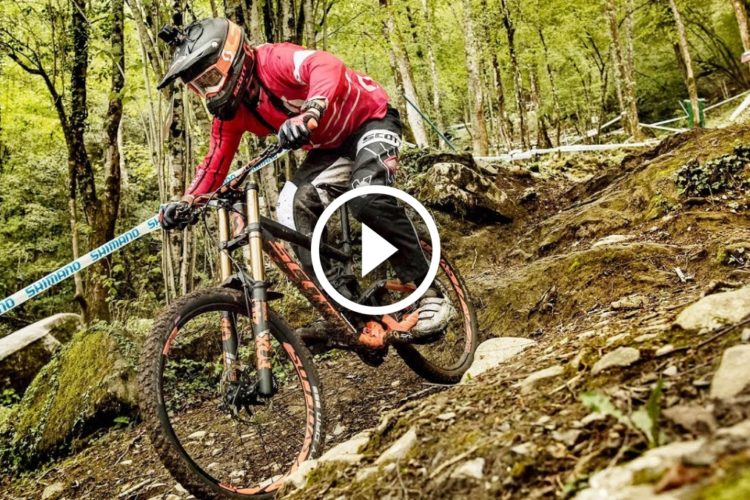
Dirt Diggler DH trail in Fernie, British Columbia. Photo posted by birdman.

Ok, so I’m not a freerider – not even close. My riding style is probably best described as cross-country or off-road touring – you know, somewhere below wanna-be freerider and freeride poseur. But I’ve been thinking about freeriding alot lately and I’ve decided that freeriding is pretty much the future of mountain biking. Here’s why.

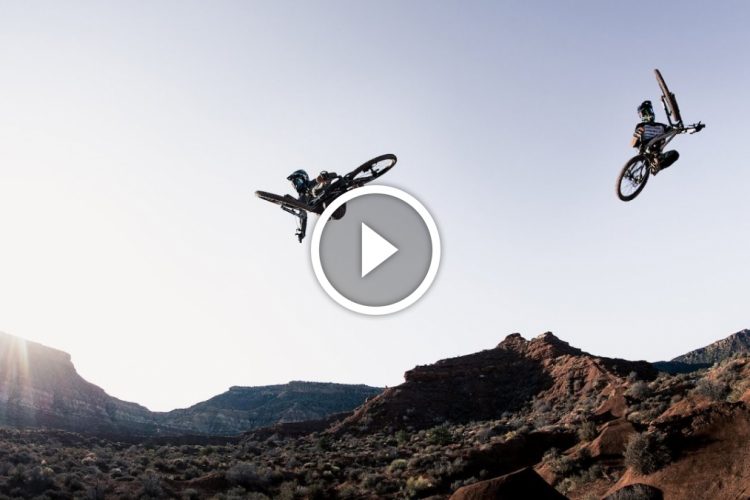
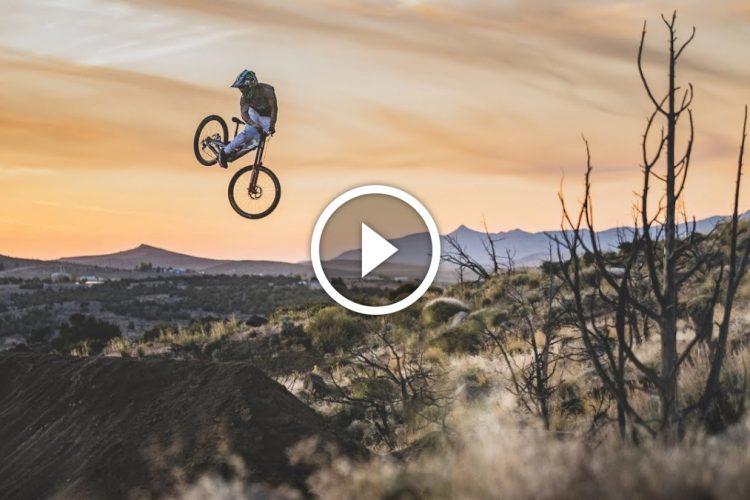
First of all, freeriding is fun to watch. Sure, it’s also fun to watch a blur of riders race around a cross-country mountain bike course but, like many endurance sports, cross-country mountain biking isn’t very spectator friendly. Freeriding, on the other hand, is full of death-defying moves on artfully crafted trails and stunts. Even non-mountain bikers drool over freeride videos posted on YouTube while the best selling mountain bike DVDs are almost entirely freeride-focused. Freeriding is just the inspiration many need to start mountain biking and today’s new riders are more likely to admire the guys from the Collective Films than Gary Fisher or Joe Breeze.

Freeriding is also accessible. With the US and Canada seeing increasing urbanization (and suburbanization) it’s becoming more and more difficult to site and build large scale mountain bike trail networks. Freeride courses, on the other hand, can be much more compact since stunts can be combined in different ways each time around the course. Freeride stunts can even be found indoors at places like Rays Indoor MTB Park and kids who live in cities can use urban or trials rides to hone freeriding skills.

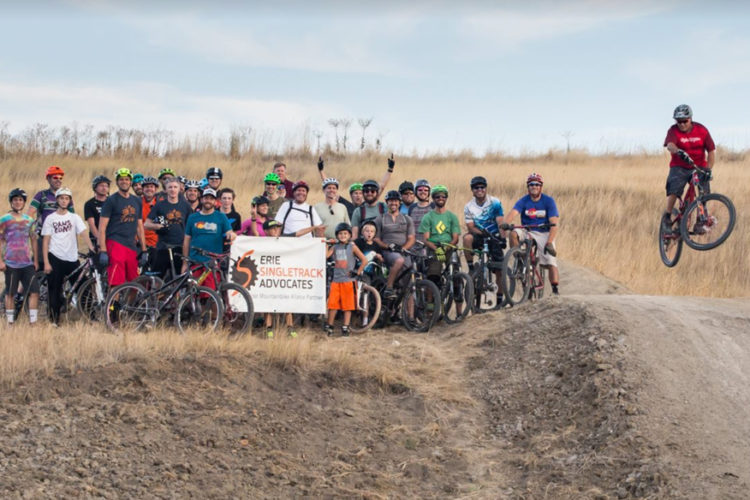
Unlike cross-country mountain biking, freeriding also makes for a more social mountain biking experience. Instead of falling into a heads-down paceline on the local MTB trail, freeriders are a bit like snowboarders as riders watch each other attempt stunts and offer encouragement (or derision if merited :) ). Of course other mountain bikers socialize but it’s usually before or after the ride. Freeriders get to socialize during the ride.

Finally, freeriding just might be the future of mountain biking because it can be a little dangerous and that makes it cool. The stunts and jumps themselves are dangerous but there’s also a sense of anti-establishment running through freeride culture, much like in the sport of skateboarding. In a time when IMBA an others preach sustainable trails and professional stunt construction, freeriding is attractive because it’s so free. Riders are free to ride where they want, however they want, whenever they want – like in the early days of mountain biking. Just think: the opposites of free riding would be called “restrained riding” or “expensive riding” – and neither of those sound like any fun :)

Yep, I may not be a freerider yet but I’m definitely starting to get the fever. The great thing about freeriding is that it’s all about skills progression and anyone can get started no matter what type of bike you ride. Check out the freeride forums here on singletracks or browse freeride bikes and photos here to get educated!

How to hop a log or rock on your mountain bike

Friday, January 9th, 2009

We started a wiki a while back to share mountain biking “how-to’s” on everything from mountain bike handling to maintenance and repair but since then we’ve realized the wiki format isn’t really doin’ it for us. Instead, we’ll use the blog to share these articles and ask that our readers add to the articles via the comment feature at the bottom of the page.

There are a number of methods mountain bikers use to get over logs and rocks on the trail. Depending on the size of the obstacle, here are some approaches to consider:

1. Pop a wheelie: This is the easiest way to get started and it works best for small logs or rocks. As you approach the obstacle, lift up your front wheel just before you get to it. It may take some practice to get your timing right but practice makes perfect! While this method gets your front tire over the log smoothly, it does nothing to lessen the impact on your rear wheel. Watch your chain ring as well, larger logs and rocks tend to get caught here and can send you into an endo if you’re not careful.

2. The bunny hop: Clipping in to your pedals (with either toe clips or clipless pedals) make this a whole lot easier. Make sure you have lots of speed as you approach the obstacle. Just before impact, jump up, carrying your entire bike with you (front and rear wheels) to clear the obstacle. This is risky since if you jump too soon or if you don’t have enough speed you may come down on the log or rock with your rear wheel creating a nasty “taco” out of your rim.

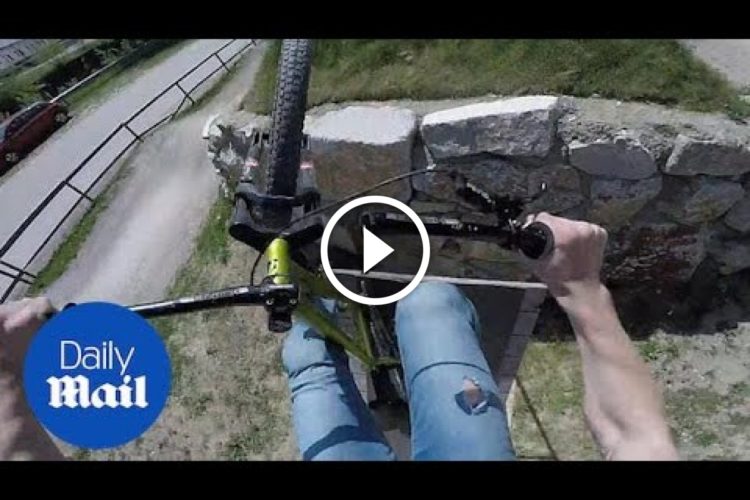
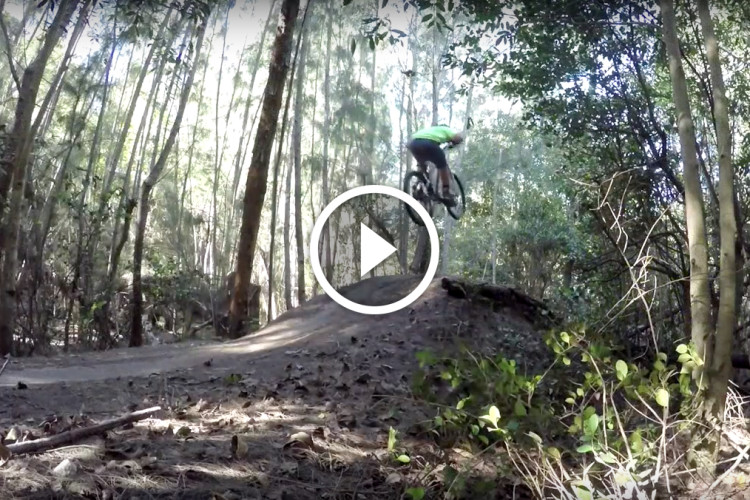
3. The speed hoop: This takes the most skill by far but it’s far more versatile than the other methods and can get you over much larger obstacles. (See video below).


Site Map | Advertise | Partners | Contact Us | Terms | Privacy
Campground Reviews | Hiking Trails | Trail Running | Skiing / Snow Sports | Mountain Biking
Copyright 2012 Blue Spruce Ventures LLC | Atlanta, GA
singletracks.com is yet another slick Review App