Sign In | Create Your Account | Site Map  

Avoiding Disaster on the Trail: My Story

Wednesday, July 29th, 2009

turner-creek-trail

So yesterday I didn’t get a chance to post on the blog and it was the first time in months, if not years, that we missed a weekday post. I left the house early yesterday morning intending to post in the afternoon after my ride at the IMBA Epic Bull Mountain trails but barely made it back after getting severely exhausted and dehydrated. Here are a few lessons I learned (and re-learned) during my ordeal.

Avoiding Dehydration, Heat Stress, and Exhaustion

1. Don’t ride alone, especially when you’re tackling a challenging route. Riding alone is never a good idea but it’s even worse when you’re heading to a remote trail system. In 4.5 hours on the trail I didn’t see a single person and if I had collapsed it would have been a long time before anyone found me. I did let mudhunny know where I was going ahead of time so at least the rescuers would know where to start looking for me. Still, riding for hours at Bull Mountain alone was stupid.

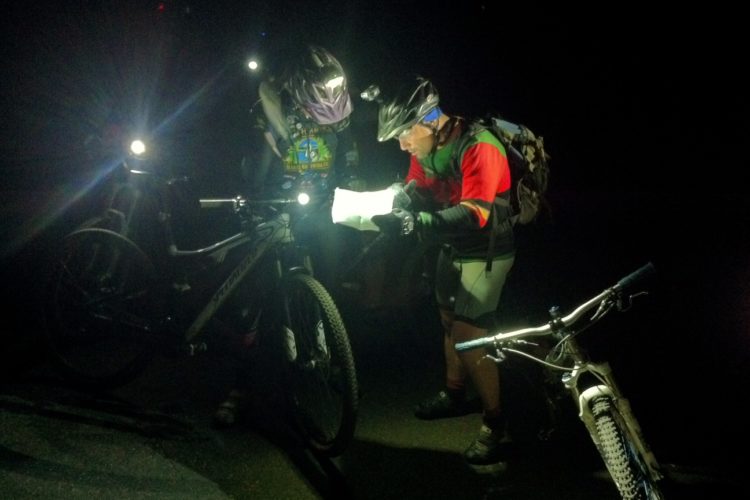
2. Do your homework before hitting the trail. I had a vague idea about which trails I wanted to ride but I didn’t research all of them ahead of time. The book I brought with me was published 12 years ago - clearly out of date - and I didn’t even know how far I’d be riding by stringing several loops together.

3. Bring plenty of water - then bring some more. I filled my 100 oz. Camelbak for the ride and honestly at the beginning I wanted to pour some out because the thing was so heavy. I ran out of water around mile 16 which was a really bad feeling, especially since I knew I was miles away from my car. If you can’t carry all the water you need, plan your route with water stops in mind (convenience stores, spigots, or even loop back to your car for a refill).

While we’re on the subject of water, here’s a survival tip I learned in the Boy Scouts: don’t conserve. It turns out that plenty of people have been found dead due to dehydration with water still in their canteens. Drink all your water until it’s gone and you have a better chance of making it home.

4. Know your limits. This is a tough one to admit but clearly I didn’t understand my own fitness limitations yesterday. I rode 22 miles with about 3,500 feet of climbing which would have been a cinch when I was training for my metric century but clearly I’m not in that kind of shape at this point. Add in the hot and humid weather and I really wasn’t prepared for such a long ride.

5. Know your equipment. Fortunately I didn’t have any mechanical issues yesterday but I was riding an unfamiliar bike which may have contributed to my exhaustion. Make sure you get a few “check rides” in on a new bike before heading out on an epic adventure so you know what to expect in terms of comfort, weight, performance, etc.

What To Do When You’re In Trouble

Even if you do follow all these tips you may still find yourself in a dangerous situation on the trail, whether it be due to heat stress, dehydration, exhaustion - or all three. Here are a few ways I’ve found to cope.

1. Stay calm. A positive mental attitude is the most important thing to bring with you. Tell yourself that you’re going to make it and you will. Sing a song, repeat a mantra - whatever it takes to keep yourself focused and moving forward.

2. Conserve your energy at the first signs of exhaustion. Taking the climbs easy will help you regulate your body temperature while coasting the downhills will result in a nice breeze. Drink water frequently if you still have some left to help with leg cramps. Stop to rest in shady spots so you can push through exposed areas.

3. Change your riding position frequently. Hop off the bike and walk a bit to stretch your back; straddle your top tube while coasting to stretch your thighs; adjust your Camelbak shoulder straps tightly on climbs and loosen them on descents to take strain off your shoulders.

4. Back track if possible. When you’re tired the last thing you want to do is get lost so try to return the way you came, especially if it’s the shortest route back. Also a GPS can help you find a shortcut or at least keep you on the right track. I got lucky yesterday and took a wrong turn that ended up saving me a couple miles on the return trip - but I won’t count on that happening again!

5. Drink whatever you can. Back in high school I had a friend who became severely dehydrated on a bike ride, so much so that he was delirious and barely able to walk. None of us had any water to offer and with miles to go to the car we filled our friend’s water bottle from a nearby creek. The water revived him enough to get back safely - though several hours later he got sick from the water. Fortunately by then he was in the hospital where they were able to treat him for dehydration and his stomach problems. If we hadn’t given him any water who knows if he would have made it to the hospital at all…

It started raining toward the end of my ride yesterday and I was able to catch a few drops in my mouth that really kept me going. Those few drops probably didn’t hydrate me much but the relief from dry mouth was a big psychological boost.

Bottom Line

Fortunately my story has a happy ending and I made it back without requiring medical intervention but it could have easily ended badly. Let’s all try to be safe on the mountain bike trail this summer…

What to pack for an epic MTB ride

Tuesday, January 27th, 2009

I like to be prepared for anything on the trail from bike and body breakdowns to hunger meltdowns and over the years I’ve come up with a list of items to handle almost any emergency. As a rule of thumb I try to “expect the unexpected” and pack my trail bag accordingly. Here are my tips.

The first thing you need to be prepared for an epic ride is a backpack or a hydration pack that has room for carrying what you need. If you look at cycling-specific hydration packs regardless of brand they all do a pretty good job at carrying water and stuff so it’s important to find the most comfortable pack that’s the right size. I purchased the Camelbak Octane 14+ since it has a 100oz bladder, a comfortable strapping system that’s both secure and non-restrictive, and an expandable zipper system that effectively doubles the storage capacity on demand.

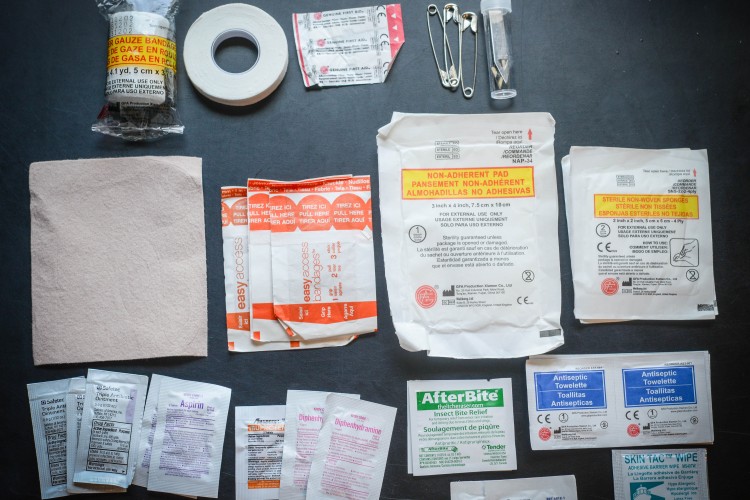
Once you’ve settled on a pack, it’s time to fill it up. First and foremost you should pack a comprehensive first aid kit - one that contains everything you need to take care of most major abrasions you may get. Inside my kit I have bug spray, alcohol pads and sanitized hand wipes (both for cleaning any wounds), 4 x 5 prep pads, 2 x 2 prep pads, band aids (assorted sizes), Advil extra strength, compression bandages, thread and needle (sterilized in bag), Polysporin, Benedril (poison ivy cream), a hot/cold pad (to reduce swelling), steri-strips 2nd skin patches (holds cuts closed like stitches), a very sharp diving knife with serrated edge, a sling, and splints. Now this is a worst-case-scenario first aid kit and works great if you know how to use it but for some folks it may be overkill.

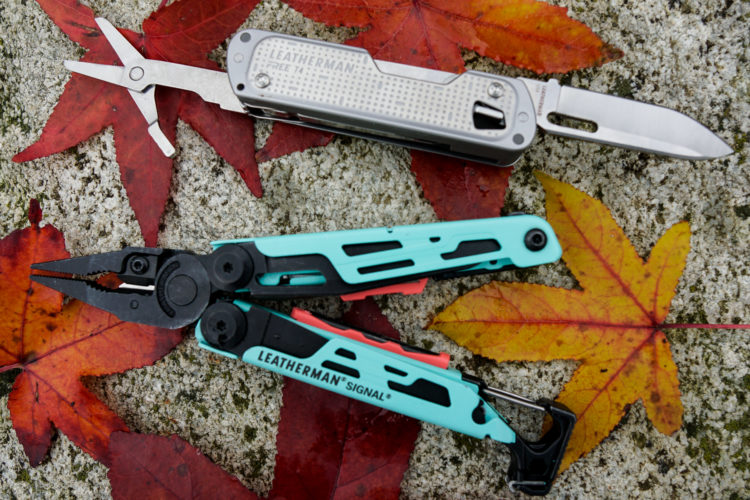
In terms of trail tools I recommend a good quality multi-tool that includes a chain rivet tool. If you have special wheels like Mavic’s Crossmax carry the tools that are used to adjust the wheel and true them as well. A good quality pump for tires is a must and if you have full suspension bike you may want to bring the shock pump as well (for them pesky stuck down situations). I also like to bring spare parts like SRAM power links, derailleur cable, and a spare derailleur hanger. Tire irons and patches and/or tubes are a good idea, and if you have tubeless tires a spare 2 ounces of Stan’s and a tire inflator to blasts the beads in place could come in handy on the trail.

Extra items that you will want to consider are a spare pair of gloves in case the ones you are wearing get wet and a water resistant jacket that will keep you warm when the weather doesn’t cooperate.  A high power tail light that clips to the bag is a good idea in case you’re caught in the dark and need to be seen.  Your wallet, cell phone and car keys are good to have as well - never leave home without ‘em!

Now that we have medical and mechanical emergencies covered it’s important to talk about food. I like to carry fresh fruit on long rides which I like to consume first since fruits tend to get bruised easily on rocky trails. I also carry a variety of snack bars (taste them before you go off the deep end and buy a box) and gel for fast energy. Another good thing I like to carry is a bag of trail mix (that’s what it’s made for after all!). More important than any snacks, make sure your Camelbak has enough water for your ride. I have found 100oz it usually good for about 4 hours and if I think I’ll need more water I carry a 500ml bottle in my Camelbak as well.

One final note about packing for your epic ride: bring whatever you like on your ride but always pack out what you pack in (wrappers, etc.) Keep a small bag so that you can toss the wrappers in without messing the inside of your hydration pack. If I have extra room in my pack I’ll stop to pick up small trash I find on the trail as well.

Packing for an epic ride takes just a little planning but pays off big time in the event of a trail emergency!


Site Map | Advertise | Partners | Contact Us | Terms | Privacy
Camping | Hiking | Trail Running | Mapping | Mountain Biking
Copyright 2010 Blue Spruce Ventures LLC | Atlanta, GA
singletracks.com is yet another slick Review App